


Members of the National Assembly Committee on Education have praised the growing number of female students enrolling in Technical and Vocational Education and Training (TVET) institutions across the country.
The lawmakers said this is a sign of changing attitudes toward technical education and called for more support to meet the government’s goal of enrolling at least 20,000 trainees in each national polytechnic.
Speaking during an inspection visit to Mawego National Polytechnic in Homa Bay County, Committee Chairperson Julius Melly commended the institution’s growth, noting that student numbers had risen from 3,000 to over 8,000.
“This growth shows the confidence the community has in this institution. We must continue to support this momentum,” he said.
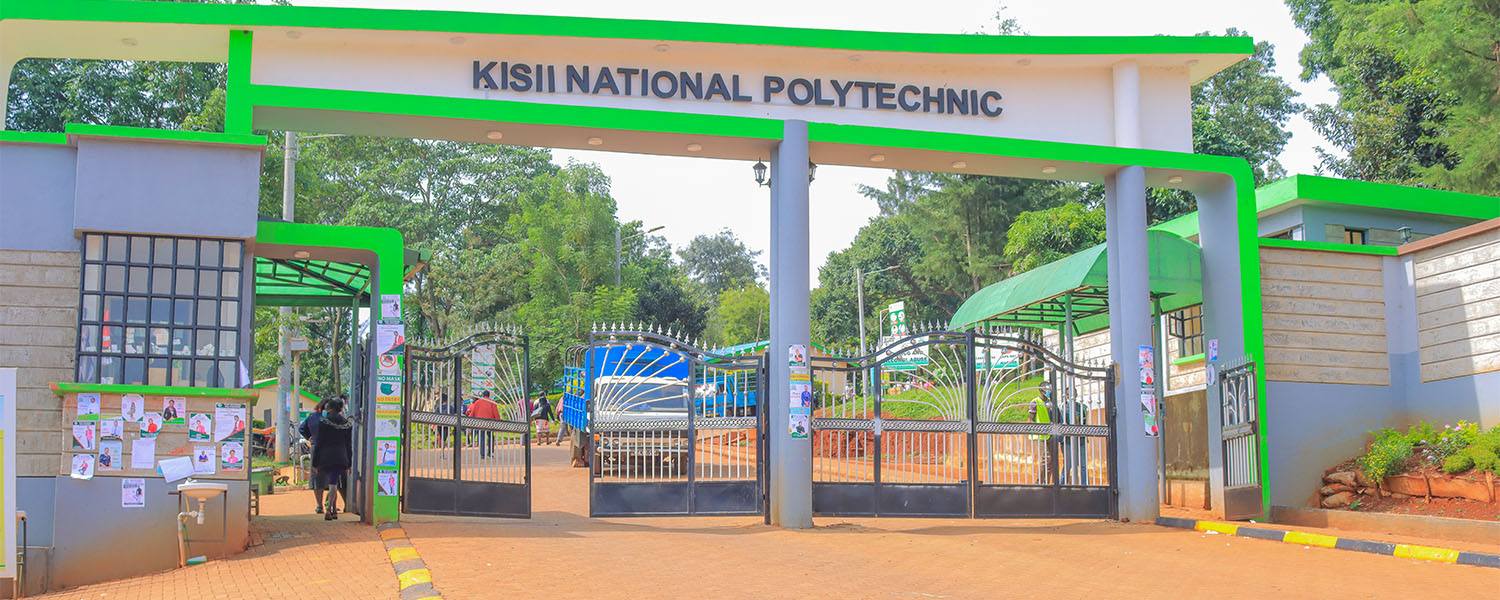
At Kisii National Polytechnic, Chief Principal John Akola reported an enrollment of 12,768 and confirmed that efforts are underway to meet the 20,000-student target.
Other institutions also showing significant growth include Sigalagala National Polytechnic with 15,851 trainees, Kitale National Polytechnic with 12,248, Ollessos National Polytechnic with 11,269, and Kaimosi Friends National Polytechnic with 6,257.
The MPs said they were encouraged by the increasing number of young women enrolling in TVETs, adding that the gender gap in technical education is narrowing.
“It is encouraging to see more young women embracing technical education,” said Melly.
According to the Ministry of Education, the target of 20,000 trainees per national polytechnic is part of a larger government plan to train one million youth annually in technical skills by 2030.
The plan is aligned with Vision 2030 and the Bottom-Up Economic Transformation Agenda (BETA).
While addressing curriculum issues, Committee member Christine Ombaka urged TVETs to extend their services to the local community.
She encouraged institutions to make use of the Recognition of Prior Learning (RPL) program, which gives skilled individuals without formal qualifications a second chance.
“Why don’t you engage and reach out to locals who have the skills but not the certificates? RPL gives them a second chance,” she said.
The Committee also praised institutions for adopting skill-based training and short modular courses.
They noted that RPL programs are gaining popularity, especially during holidays when many community members and informal workers take time to upgrade their skills.
Mawego Principal Dr. John Abuto said the institution is actively involved in national development through the Affordable Housing Programme and sustainability projects.
“We are a green university; we plant trees and involve our students in practical projects,” he said.
However, Dr. Abuto raised concerns about the high cost of assessments under the Curriculum Development Assessment and Certification Council (CDACC). “The assessments are good for building skills, but the cost is high. We print exam materials and supervise the process ourselves,” he explained.
In Kitui and Garissa counties, the MPs visited Tseikuru National Polytechnic and North Eastern National Polytechnic.
Committee Vice Chairperson Eve Obara expressed concern over the lack of essential equipment and workshops in some institutions.
At Tseikuru, MPs were shocked to learn that the polytechnic has never held a graduation ceremony since it was established 10 years ago.
Following the visits, the Committee resolved to summon Education Cabinet Secretary Julius Migos Ogamba to explain why some national polytechnics remain underfunded and poorly equipped, despite the critical role they play in training the country’s future workforce.
Email your news TIPS to Editor@Kahawatungu.com — this is our only official communication channel
