


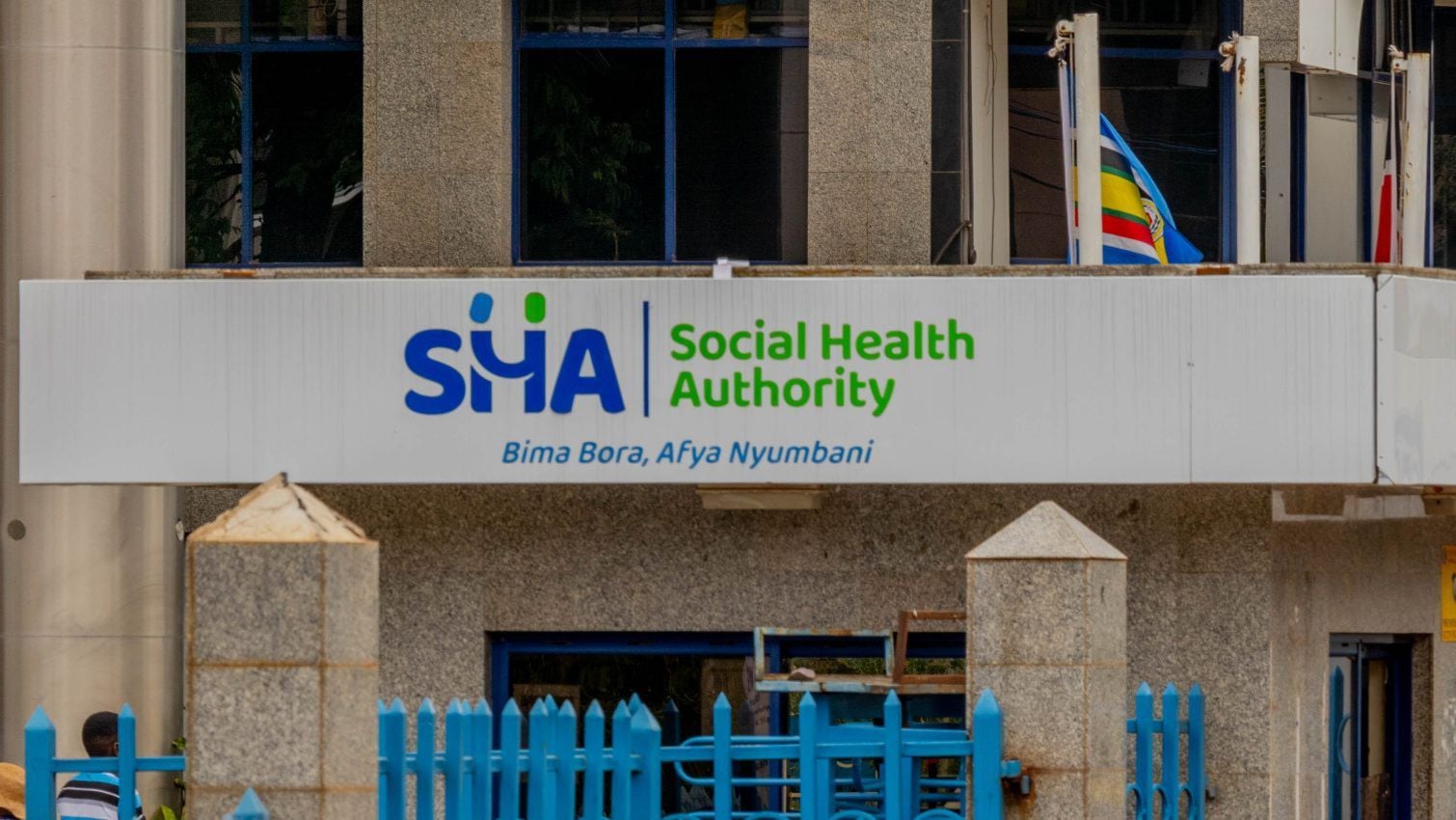
The National Assembly Health Committee has raised concerns over a major communication gap in the implementation of the Social Health Authority (SHA), revealing that although about 30 million Kenyans have registered under the scheme, only around five million have paid the required premiums and are therefore eligible for inpatient services.
The issue emerged during a meeting between the Committee and media and science communication practitioners from the Media for Environment, Science, Health and Agriculture (MESHA) network at Parliament Buildings.
Committee Chairperson Dr. James Nyikal said inadequate public awareness campaigns had contributed to widespread misunderstanding about the benefits available under the SHA programme.
“Thirty million Kenyans have registered, but only about four to five million have paid their premiums. These are the people who can access inpatient services, yet many of the 30 million registered members believe they are entitled to the same benefits,” said Dr. Nyikal.
He explained that the government fully finances primary healthcare services offered at Level 2 and Level 3 health facilities for all registered members, regardless of whether they have paid premiums. However, access to inpatient services in hospitals is limited to members who have made the required contributions.
“If you are registered, you can receive services at health centres and dispensaries free of charge. However, for hospital admission and inpatient care, you must have paid the premium. Many Kenyans are unaware of this distinction,” he said.
Dr. Nyikal stressed the importance of strengthening collaboration between policymakers and the media to improve public understanding of health reforms and government programmes.
In response, MESHA Chief Executive Officer Daniel Aghan proposed a structured partnership with Parliament, including monthly Science Media Cafés and special publications to simplify complex health policies such as SHA and the Tobacco Control Bill.
“We are exploring ways to bridge the gap between policymakers and the public. Many important decisions are being made that citizens know very little about,” said MESHA Project Officer Sharon Makimo.
The Committee welcomed the proposal, with Dr. Nyikal inviting journalists to participate in an upcoming retreat on tobacco control to promote informed and balanced reporting on the issue.
Lawmakers also expressed concern over the impact of misinformation on public policy discussions.
Dr. Nyikal cited the debate surrounding genetically modified organisms (GMOs) as an example of how public perception can sometimes overshadow scientific evidence.
Mwea MP Mary Maingi urged journalists to prioritize evidence-based reporting and communicate scientific information in local languages to improve public understanding and trust.
Ndhiwa MP Martin Owino highlighted cultural barriers that discourage many men from seeking healthcare services.
“Statistics show that men are less likely to access healthcare because of how they are socialised. Many are taught to remain strong and avoid showing vulnerability, even when they are unwell,” he said.
The Committee further noted that many Kenyans continue to bypass lower-level health facilities despite ongoing government efforts to strengthen primary healthcare through a Sh19 billion investment programme.
At the end of the meeting, lawmakers and MESHA officials agreed to develop a joint calendar for regular briefings, improve journalists’ access to health and science experts, and enhance public awareness of parliamentary work in health and science policy.

Email your news TIPS to Editor@Kahawatungu.com — this is our only official communication channel
