


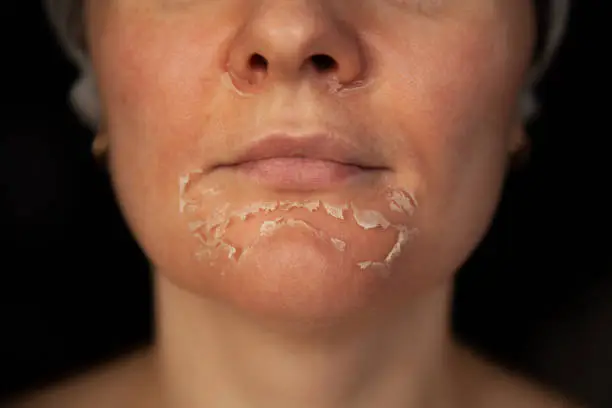
Skin bleaching creams can sometimes cause irritation, thinning, discoloration, dryness, or increased sensitivity, especially when used incorrectly or for long periods. Treating damaged skin requires patience, gentle care, and avoiding products that may worsen irritation. Learning how to treat skin damaged by bleaching cream can help support skin recovery and improve overall skin health. Consistent care and healthy habits are important during the healing process.
-
Stop Using the Bleaching Cream
The first step is to discontinue the product that may be causing the damage.
Continuing to use the cream can worsen irritation and delay healing.
- Stop using the bleaching product immediately
- Avoid harsh skin treatments
- Check product ingredients carefully
-
Keep the Skin Moisturized
Damaged skin often becomes dry and sensitive, so gentle moisturizing is important.
Use mild, fragrance-free moisturizers to support the skin barrier.
- Apply moisturizer regularly
- Choose gentle skincare products
- Avoid products with strong chemicals
-
Protect the Skin from Sun Exposure
Bleached or damaged skin can become more sensitive to sunlight.
Protecting the skin helps prevent further irritation and discoloration.
- Use sunscreen daily
- Wear protective clothing outdoors
- Avoid excessive sun exposure
-
Follow a Gentle Skincare Routine
Use mild cleansers and avoid scrubbing or over-exfoliating the skin.
Gentle care allows the skin time to recover naturally.
- Wash with lukewarm water
- Avoid strong exfoliants
- Pat the skin dry gently
-
Seek Professional Advice if Needed
If the skin damage is severe or does not improve, consult a dermatologist or healthcare professional.
Professional treatment may be necessary for serious irritation or discoloration.
- Monitor changes in the skin
- Seek medical advice for severe symptoms
- Follow professional treatment recommendations
Also Read: How to Treat Dog Mange Home Remedy
Email your news TIPS to Editor@Kahawatungu.com — this is our only official communication channel
