


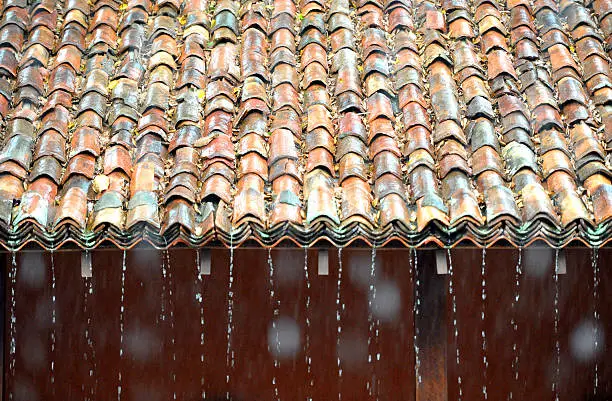
Learning how estates can prepare for rainy season is important for protecting residents, homes, roads and shared facilities from the effects of heavy rainfall. Poor drainage, blocked gutters, flooding, slippery paths and leaking buildings can create serious problems when rain becomes frequent. Estate managers, landlords, residents and property owners can reduce these risks by preparing early and maintaining the surrounding environment. Proper preparation can also help prevent property damage and improve safety for everyone living in the estate.
-
Inspect the Estate Before the Rains
Estate managers should inspect the entire property before the rainy season begins. Check roofs, gutters, drainage channels, roads, walkways, parking areas, walls and common facilities for damage.
Problems identified during the inspection should be addressed as early as possible. Small cracks, blocked drains and damaged roofing materials can become bigger problems after prolonged rainfall.
-
Clean Drainage Systems
Proper drainage is one of the most important preparations for the rainy season. Remove leaves, mud, plastic bags, stones and other rubbish that may block drainage channels.
Inspect stormwater drains and ensure that water has a clear path away from houses and shared facilities.
Residents should also be encouraged not to throw rubbish into drains because blocked drainage can quickly contribute to flooding.
-
Check and Clean Gutters
Gutters collect rainwater from roofs and direct it towards drainage systems. When they become blocked, water can overflow and damage walls, foundations and surrounding areas.
Estate management should inspect gutters regularly and remove leaves and other debris. Downpipes should also be checked to make sure they are connected properly and allowing water to flow away from buildings.
-
Inspect Roads and Walkways
Heavy rainfall can expose potholes, loose paving stones and other hazards around an estate. Roads and pedestrian paths should be inspected before the rainy season becomes severe.
Damaged sections should be repaired where possible. Areas that become particularly slippery when wet should also be identified and addressed.
Good drainage around walkways can help prevent residents from walking through standing water.
-
Prepare for Flooding
Estates located in low-lying areas or places with a history of flooding should have a clear flood preparedness plan.
Management should identify areas where water is likely to accumulate and determine where residents can move if certain sections become unsafe.
Important equipment, documents and other valuable property should be stored away from areas that could be affected by floodwater.
-
Inspect Roofs and Buildings
Roofs, ceilings, walls, doors and windows should be checked for leaks and other damage. Water entering buildings can damage furniture, electrical equipment and personal belongings.
Property owners should arrange necessary repairs before heavy rains arrive.
Residents should report leaks and structural problems to estate management as soon as they notice them.
-
Trim Trees and Remove Dangerous Branches
Strong winds and heavy rain can cause weak branches or damaged trees to fall. Estate managers should inspect trees around houses, parking areas, roads and walkways.
Dead or unstable branches should be assessed and removed safely where necessary.
This can reduce the risk of falling branches damaging vehicles, buildings or injuring residents.
-
Protect Electrical Installations
Water and electricity can create dangerous conditions. Electrical installations, cables, sockets and other equipment should be checked by qualified professionals where necessary.
Residents should avoid touching electrical equipment with wet hands and should report exposed wires, damaged electrical fittings or water entering electrical areas.
Any electrical hazard should be addressed promptly.
-
Maintain Waste Collection
Waste management becomes even more important during the rainy season. Plastic bags, bottles and other rubbish can easily block drainage systems and contribute to flooding.
Estates should maintain regular waste collection and provide suitable disposal points.
Residents should be reminded to keep rubbish away from drainage channels and other water pathways.
-
Prepare Emergency Contacts
Estate management should maintain updated contact information for security personnel, plumbers, electricians, maintenance workers and emergency services.
Residents should know how to report flooding, leaks, electrical hazards and other urgent problems.
Clear communication can help management respond quickly when severe weather affects the estate.
-
Keep Residents Informed
Estate managers should communicate rainy-season safety information to residents before and during periods of heavy rainfall.
Residents can be reminded to keep drainage areas clear, avoid walking through floodwater and report hazards promptly.
Regular communication helps everyone understand their responsibility in keeping the estate safe.
-
Monitor Weather Conditions
Estate management should monitor reliable weather forecasts and official weather warnings during the rainy season.
Advance information can help management prepare for periods of heavy rainfall, secure outdoor equipment and communicate potential risks to residents.
Where severe weather is expected, residents should be encouraged to take appropriate precautions and avoid unnecessary exposure to dangerous conditions.
Also Read: How to Minimise Human-Wildlife Conflicts

Email your news TIPS to Editor@Kahawatungu.com — this is our only official communication channel
