


Nairobi’s Central Business District remained calm on Tuesday as police moved to contain road blockades along Thika Road and Kamiti Road, even as fuel price protests entered their second day.
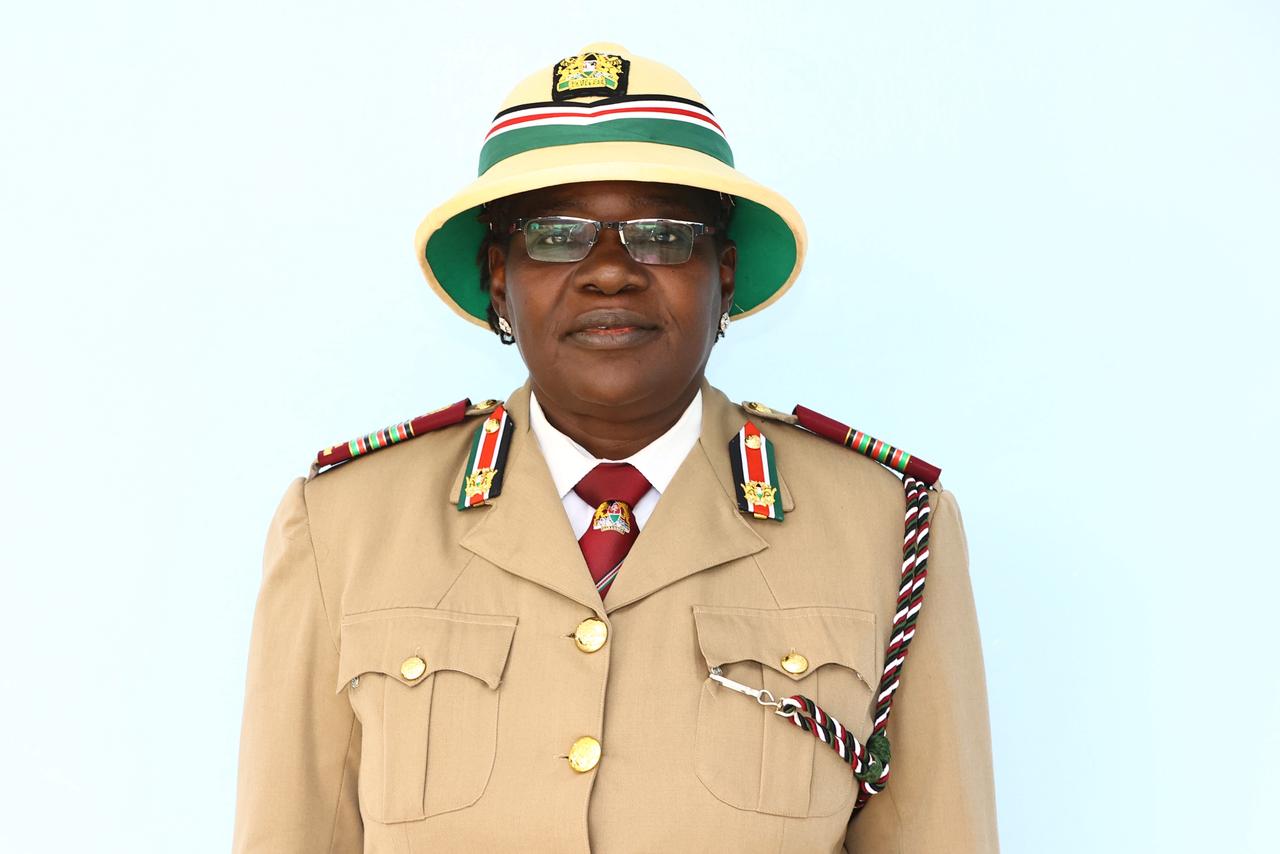
Nairobi Regional Commissioner Rhoda Onyancha said key roads, including Waiyaki Way around Kangemi, had been secured as security agencies responded to isolated disruptions linked to the ongoing demonstrations.
In Kwale County, County Commissioner David Rotich said police had intensified highway patrols along the Mombasa–Lunga Lunga and Mombasa–Nairobi highways, with the County Security and Intelligence Committee continuing to assess affected areas.
In Samburu County, County Commissioner Isaac Cheruiyot reported that Maralal remained peaceful, with no demonstrations or vandalism recorded despite the ongoing matatu strike.
In Mombasa, County Commissioner Mohamed Hassan said traffic was flowing smoothly across major routes, with only minimal disruptions reported as authorities continued to monitor the situation.
Thousands of commuters across Kenya were left stranded for a second day on Tuesday after public transport operators went on a nationwide strike to protest increases in fuel prices. Businesses were also disrupted, with many unable to open due to transport challenges.
The strike continued despite a late-night announcement by the Energy and Petroleum Regulatory Authority (EPRA) reducing the cost of diesel by Sh10.06 per litre.
Following the latest fuel review, EPRA adjusted prices for the period between May 19 and June 14, 2026. Diesel prices were reduced, kerosene increased, while petrol prices remained unchanged.
In Nairobi, diesel now retails at Sh232.86, kerosene at Sh191.38, and super petrol at Sh214.25.
EPRA said the adjustments followed consultations with stakeholders in the public transport sector and were aimed at addressing concerns over fuel adulteration, driven by the wide price gap between diesel and kerosene.
Earlier in the day, negotiations between Transport Cabinet Secretary Davis Chirchir and Energy and Petroleum Cabinet Secretary Opiyo Wandayi continued into the night but ended without a formal agreement. A joint media briefing was disrupted after transport sector representatives disputed claims that a final deal had been reached.
Matatu operators have rejected the revised fuel prices, insisting that the Sh10.06 reduction in diesel is insufficient. They maintain that diesel prices should be reduced by at least Sh46 per litre to offset rising operational costs.
EPRA had earlier increased fuel prices in a previous review, citing global market pressures linked to geopolitical tensions affecting oil supply routes, including disruptions around the Strait of Hormuz.
The latest price review has not eased tensions, with operators maintaining that the nationwide strike will continue until their demands are fully addressed.
Key roads in Nairobi remained largely deserted on Tuesday, forcing some commuters to walk to work. Parts of the country also experienced transport shortages, with businesses shutting down and some schools advising learners to stay at home.
In some areas, protesters blocked roads and lit fires as demonstrations continued.
Kenya remains heavily reliant on imported fuel, making local prices sensitive to global supply shocks and geopolitical instability affecting major oil transport routes.

Email your news TIPS to Editor@Kahawatungu.com — this is our only official communication channel
