
Close Menu
    Facebook X (Twitter) Instagram
    Facebook X (Twitter) Instagram
    KahawatunguKahawatungu
    Button
    • NEWS
    • BUSINESS
    • KNOW YOUR CELEBRITY
    • POLITICS
    • TECHNOLOGY
    • SPORTS
    • HOW-TO
    • WORLD NEWS
    KahawatunguKahawatungu
    NEWS

    NCRC to launch landmark report on illegal donkey skin trade in Kenya

    Oki Bin OkiBy Oki Bin OkiJuly 30, 2026No Comments2 Mins Read
    Facebook Twitter WhatsApp Telegram Email
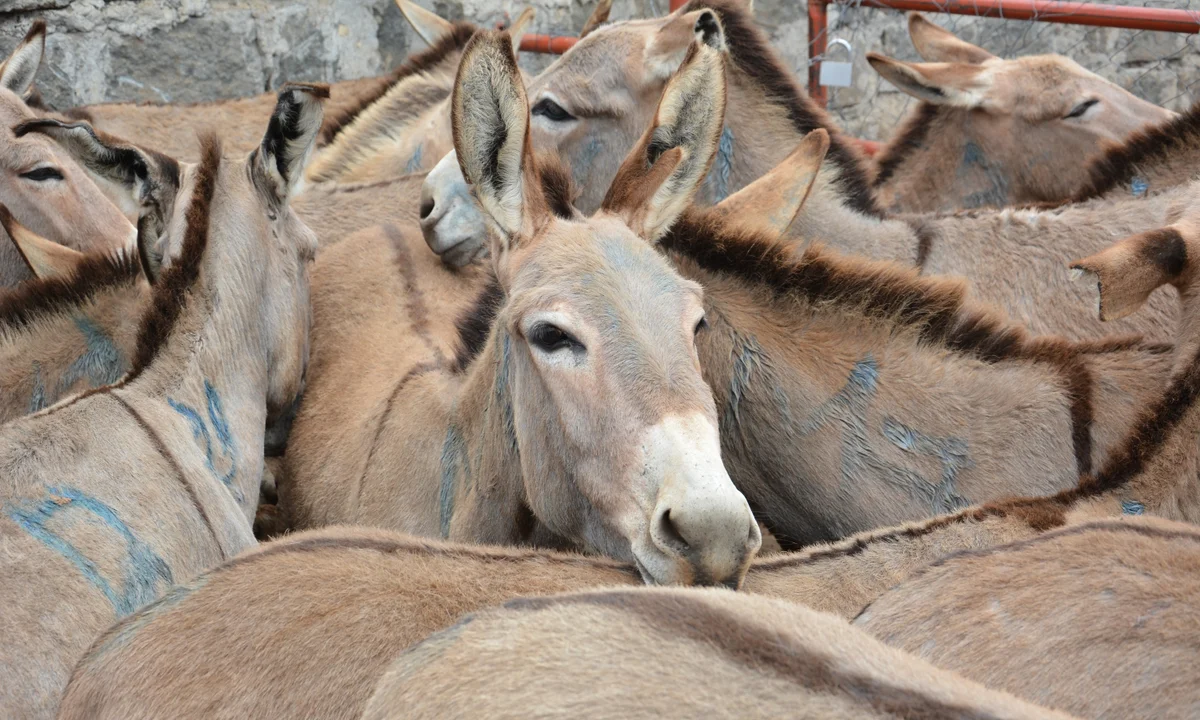
    The National Crime Research Centre (NCRC) will on Thursday launch a landmark report detailing the extent of theft and illegal trade in donkey skins and related products in Kenya, shedding light on what it describes as an emerging security and socio-economic challenge. The report, titled Theft and Illegal Trade in Donkey Skins and Related Products in Kenya, is the first comprehensive national study examining the scale, drivers and impacts of donkey theft and the illicit trade in donkey skins. According to the NCRC, the findings expose the complex nature of the illegal trade, including the involvement of organised criminal actors, sophisticated supply chain networks and the growing threat posed by transnational organised crime. The study also outlines a raft of recommendations aimed at strengthening law enforcement responses, enhancing policy and legislative frameworks, improving inter-agency coordination, promoting regional cooperation and safeguarding Kenya’s donkey population. The report comes at a time when Kenya is intensifying efforts to curb illegal donkey slaughter and trafficking following the government’s ban on commercial donkey slaughter for skin production. Authorities have also expressed concern over the emergence of criminal networks exploiting the illicit trade despite the ban. Dr. Dickson Gitonga, the Principal Research Analyst at the NCRC, said the study establishes a clear link between international demand for donkey skins and the persistence of the illegal trade. “Our research shows that the illegal donkey skin trade is driven by strong international demand and enabled by weaknesses in enforcement. The impacts extend beyond animal welfare to affect rural livelihoods, food security, and community well-being. We hope these findings will inform evidence-based policies and stronger regional cooperation,” he said. NCRC Deputy Director Dr. Tioko Logiron said the report provides critical evidence to guide government agencies and other stakeholders in addressing the growing challenge. “This study provides a strong evidence base to guide policy and operational responses to an emerging security and socio-economic challenge. We encourage all stakeholders to work together to implement the recommendations and strengthen the protection of Kenya’s donkey population. The Centre will continue to support research that informs effective crime prevention and public policy,” he said. The report is expected to inform future policy interventions and strengthen collaboration among government agencies, law enforcement bodies, animal welfare organisations and regional partners in tackling the illegal donkey skin trade.

    The National Crime Research Centre (NCRC) will on Thursday launch a landmark report detailing the extent of theft and illegal trade in donkey skins and related products in Kenya, shedding light on what it describes as an emerging security and socio-economic challenge. The report, titled Theft and Illegal Trade in Donkey Skins and Related Products in Kenya, is the first comprehensive national study examining the scale, drivers and impacts of donkey theft and the illicit trade in donkey skins. According to the NCRC, the findings expose the complex nature of the illegal trade, including the involvement of organised criminal actors, sophisticated supply chain networks and the growing threat posed by transnational organised crime. The study also outlines a raft of recommendations aimed at strengthening law enforcement responses, enhancing policy and legislative frameworks, improving inter-agency coordination, promoting regional cooperation and safeguarding Kenya’s donkey population. The report comes at a time when Kenya is intensifying efforts to curb illegal donkey slaughter and trafficking following the government’s ban on commercial donkey slaughter for skin production. Authorities have also expressed concern over the emergence of criminal networks exploiting the illicit trade despite the ban. Dr. Dickson Gitonga, the Principal Research Analyst at the NCRC, said the study establishes a clear link between international demand for donkey skins and the persistence of the illegal trade. “Our research shows that the illegal donkey skin trade is driven by strong international demand and enabled by weaknesses in enforcement. The impacts extend beyond animal welfare to affect rural livelihoods, food security, and community well-being. We hope these findings will inform evidence-based policies and stronger regional cooperation,” he said. NCRC Deputy Director Dr. Tioko Logiron said the report provides critical evidence to guide government agencies and other stakeholders in addressing the growing challenge. “This study provides a strong evidence base to guide policy and operational responses to an emerging security and socio-economic challenge. We encourage all stakeholders to work together to implement the recommendations and strengthen the protection of Kenya’s donkey population. The Centre will continue to support research that informs effective crime prevention and public policy,” he said. The report is expected to inform future policy interventions and strengthen collaboration among government agencies, law enforcement bodies, animal welfare organisations and regional partners in tackling the illegal donkey skin trade.
    Share
    Facebook Twitter WhatsApp Telegram Pinterest Email Copy Link

    The National Crime Research Centre (NCRC) will on Thursday launch a landmark report detailing the extent of theft and illegal trade in donkey skins and related products in Kenya, shedding light on what it describes as an emerging security and socio-economic challenge.

    The report, titled Theft and Illegal Trade in Donkey Skins and Related Products in Kenya, is the first comprehensive national study examining the scale, drivers and impacts of donkey theft and the illicit trade in donkey skins.

    According to the NCRC, the findings expose the complex nature of the illegal trade, including the involvement of organised criminal actors, sophisticated supply chain networks and the growing threat posed by transnational organised crime.

    The study also outlines a raft of recommendations aimed at strengthening law enforcement responses, enhancing policy and legislative frameworks, improving inter-agency coordination, promoting regional cooperation and safeguarding Kenya’s donkey population.

    The report comes at a time when Kenya is intensifying efforts to curb illegal donkey slaughter and trafficking following the government’s ban on commercial donkey slaughter for skin production. Authorities have also expressed concern over the emergence of criminal networks exploiting the illicit trade despite the ban.

    Dr. Dickson Gitonga, the Principal Research Analyst at the NCRC, said the study establishes a clear link between international demand for donkey skins and the persistence of the illegal trade.

    “Our research shows that the illegal donkey skin trade is driven by strong international demand and enabled by weaknesses in enforcement. The impacts extend beyond animal welfare to affect rural livelihoods, food security, and community well-being. We hope these findings will inform evidence-based policies and stronger regional cooperation,” he said.

    NCRC Deputy Director Dr. Tioko Logiron said the report provides critical evidence to guide government agencies and other stakeholders in addressing the growing challenge.

    “This study provides a strong evidence base to guide policy and operational responses to an emerging security and socio-economic challenge. We encourage all stakeholders to work together to implement the recommendations and strengthen the protection of Kenya’s donkey population. The Centre will continue to support research that informs effective crime prevention and public policy,” he said.

    The report is expected to inform future policy interventions and strengthen collaboration among government agencies, law enforcement bodies, animal welfare organisations and regional partners in tackling the illegal donkey skin trade.

    Email your news TIPS to Editor@Kahawatungu.com — this is our only official communication channel

    Follow on Facebook Follow on X (Twitter)
    Share. Facebook Twitter WhatsApp LinkedIn Telegram Email
    Oki Bin Oki

    Related Posts

    Nationwide power outage hits large parts of Kenya

    July 30, 2026

    US seeks extradition of six Kenyans over email-scam fraud on government

    July 30, 2026

    Mental health researcher Dr Victoria Mutiso shot dead by gunmen on motorcycle in Nairobi

    July 29, 2026

    Comments are closed.

    Latest Posts

    NCRC to launch landmark report on illegal donkey skin trade in Kenya

    July 30, 2026

    Nationwide power outage hits large parts of Kenya

    July 30, 2026

    US seeks extradition of six Kenyans over email-scam fraud on government

    July 30, 2026

    Tips to Maintain Robot Mowers with Mulching Blades

    July 29, 2026

    Fifa offers $40m if nations back controversial plan

    July 29, 2026

    Oscar-winning songwriter Glen Hansard killed in crash

    July 29, 2026

    French DJ and electronic ‌musician Kavinsky dies aged 50

    July 29, 2026

    Anthony Fauci refuses to answer questions during US Senate hearing about Covid origins

    July 29, 2026
    Facebook X (Twitter) Instagram Pinterest
    © 2026 Kahawatungu.com. Designed by Okii.

    Type above and press Enter to search. Press Esc to cancel.