


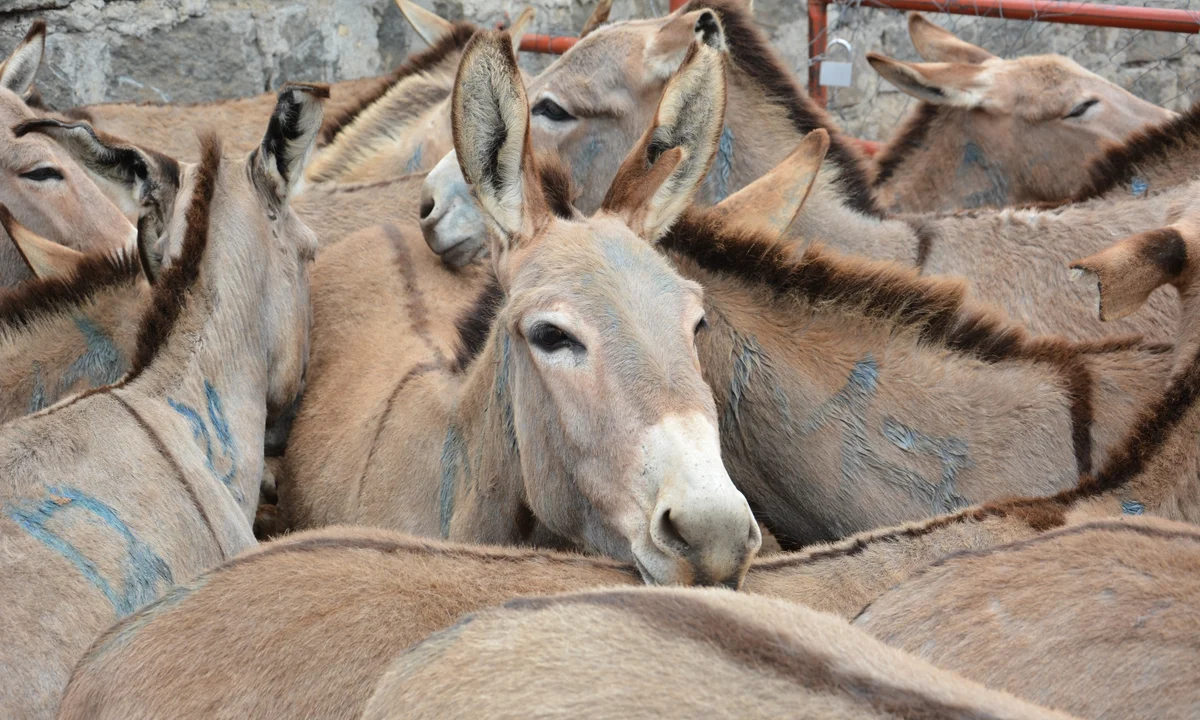
A new study on the theft and illegal trade in donkeys and donkey products has called for sweeping legal, policy and enforcement reforms, warning that Kenya risks losing its donkey population unless authorities dismantle organised criminal networks behind the illicit trade.
The report recommends coordinated action by government agencies, law enforcement, prosecutors, border control authorities and civil society to curb what it describes as an increasingly sophisticated criminal enterprise.
The National Crime Research Centre (NCRC) on Thursday launched a landmark report detailing the extent of theft and illegal trade in donkey skins and related products in Kenya, shedding light on what it describes as an emerging security and socio-economic challenge.
The report, titled Theft and Illegal Trade in Donkey Skins and Related Products in Kenya, is the first comprehensive national study examining the scale, drivers and impacts of donkey theft and the illicit trade in donkey skins.
According to the NCRC, the findings expose the complex nature of the illegal trade, including the involvement of organised criminal actors, sophisticated supply chain networks and the growing threat posed by transnational organised crime.
The study urges the Ministry of Agriculture and Livestock Development, the Directorate of Veterinary Services and county governments to enact a comprehensive Donkey Protection Law that would regulate the entire donkey value chain, strengthen animal welfare and introduce specific offences and tougher penalties for donkey theft and illegal slaughter.
Researchers also recommend declaring donkeys a threatened livestock species and fully implementing the African Union moratorium on donkey slaughter for skins by shutting down illegal slaughter operations and tightening regulatory oversight.
The report further proposes the introduction of a national donkey identification and traceability system, backed by stricter livestock movement controls, verified certificates of origin, rescue centres and holding grounds for recovered animals.
To reduce reliance on slaughter, the study encourages investment in sustainable donkey-based enterprises such as milk production and other non-extractive value chains.
It also calls for closer collaboration among East African Community member states to tackle cross-border trafficking and links between donkey theft, wildlife crime and the bushmeat trade.
Other recommendations include digitising livestock movement permits, introducing mandatory clearance for inter-county donkey transport and increasing inspections of slaughterhouses, meat processors and hide collection centres to improve traceability.
Treat donkey theft as organised crime
The report urges the Ministry of Interior, the National Police Service (NPS) and the Directorate of Criminal Investigations (DCI) to formally recognise donkey theft and illegal bush slaughter as emerging forms of organised crime.
It recommends adopting a Rapid Response Initiative model involving police, veterinary and public health officials to coordinate investigations and emergency responses.
Researchers also want donkey theft recorded alongside cattle rustling in official crime statistics to improve monitoring and resource allocation.
The study advocates intelligence-led investigations targeting entire criminal syndicates—including financiers, brokers and transporters—rather than focusing solely on low-level offenders.
It further recommends expanding public awareness campaigns through village barazas, community policing forums and security meetings while strengthening anti-corruption measures at roadblocks and transit checkpoints through digital surveillance and stricter internal oversight.
Tougher prosecutions
The Office of the Director of Public Prosecutions (ODPP) and the Judiciary are urged to enhance the capacity of prosecutors and magistrates to handle livestock-related offences and apply stronger deterrent penalties.
The study recommends maximum statutory sentences, asset forfeiture and recovery of proceeds from crime to remove the financial incentives driving the illegal trade.
Researchers also encourage the Judiciary to use Court User Committees to educate communities about donkey protection and encourage reporting of theft.
Tighten border controls
The report recommends that the Kenya Revenue Authority and border control agencies strengthen inspections of animal products at all entry and exit points through mandatory declarations and improved inter-agency coordination.
It also calls for enhanced intelligence sharing with neighbouring countries to disrupt cross-border trafficking networks.
In line with the African Union moratorium, the study proposes removing donkeys and donkey products from Kenya’s export classification to eliminate opportunities for traffickers to exploit legitimate export channels.
Role of communities
Civil society organisations are encouraged to intensify grassroots awareness campaigns on responsible donkey ownership, animal welfare, breeding and security.
The report also urges community organisations to strengthen community policing, promote rapid reporting of thefts and work closely with local administrators and the National Police Service to prevent donkey theft before it occurs.
Researchers conclude that only a coordinated, multi-agency strategy combining legal reforms, stronger enforcement, regional cooperation and community participation will effectively dismantle the organised criminal networks driving Kenya’s illegal donkey trade while safeguarding rural livelihoods and protecting the country’s remaining donkey population.
Email your news TIPS to Editor@Kahawatungu.com — this is our only official communication channel
