


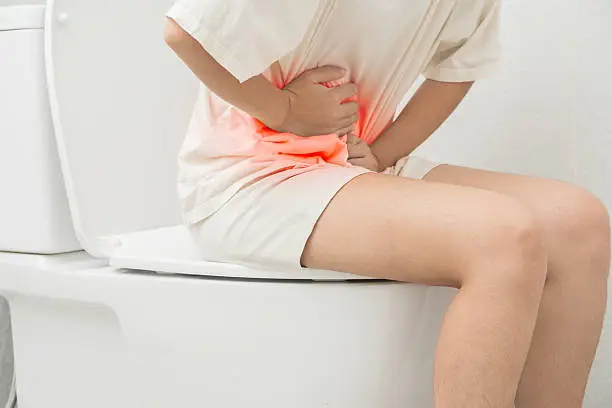
Constipation can cause hard stools, bloating, straining and discomfort. Fortunately, simple daily habits can help keep your bowel movements regular. Learning how to avoid constipation involves eating enough fibre, drinking adequate fluids, staying physically active and developing healthy toilet habits. Making these changes consistently can support comfortable digestion and help prevent constipation.
-
Eat More Fibre
Fibre helps add bulk to stool and makes it easier to pass. Include a variety of fibre-rich foods in your meals, such as fruits, vegetables, beans, lentils and whole grains.
- Eat vegetables regularly
- Choose whole-grain foods
- Include beans and lentils
- Eat fibre-rich fruits
-
Drink Enough Water
Not drinking enough fluids can contribute to hard stools. Drinking water regularly can help keep stools softer and allows fibre to work more effectively.
Your fluid needs may vary depending on your health, activity level and environment.
-
Increase Fibre Gradually
If you currently eat very little fibre, increase it slowly rather than making a sudden change. A rapid increase can cause bloating and gas.
Give your digestive system time to adjust while continuing to drink enough fluids.
-
Stay Physically Active
Regular physical activity can encourage normal bowel movements. Walking, swimming, cycling and other suitable activities can help keep your digestive system active.
- Take regular walks
- Avoid sitting for long periods
- Choose activities you enjoy
- Stay active consistently
-
Do Not Ignore the Urge to Use the Toilet
When you feel the need to have a bowel movement, try to use the toilet rather than repeatedly delaying it. Regularly ignoring the urge may make constipation more likely.
Give yourself enough time to use the bathroom without rushing.
-
Develop a Regular Toilet Routine
Try going to the toilet at around the same time each day. Some people find it helpful to try after breakfast because eating can stimulate movement in the colon.
A consistent routine can make bowel movements more predictable.
-
Eat More Fruits and Vegetables
Fruits and vegetables provide fibre and fluids that can support healthy digestion. Include a variety of options in your daily meals rather than relying on only one type.
Apples, pears, berries, oranges, leafy vegetables, carrots and peas are examples of fibre-containing foods.
-
Choose Whole-Grain Foods
Whole grains can provide more fibre than refined grains. Consider choosing foods such as oats, wholemeal bread, brown rice and whole-wheat pasta.
If you are not used to high-fibre foods, introduce them gradually.
-
Include Beans and Legumes
Beans, lentils, chickpeas and other legumes are useful sources of dietary fibre. They can be added to soups, stews, salads and other meals.
They can also provide protein and other nutrients as part of a balanced diet.
-
Limit Low-Fibre Processed Foods
A diet containing many highly processed foods and very little fibre may contribute to constipation. Try to replace some low-fibre snacks and processed meals with fruits, vegetables, whole grains and legumes.
A balanced diet can support regular bowel movements.
-
Check Your Medicines and Supplements
Some medicines and supplements can cause constipation. Iron supplements, some pain medicines and certain other medications may affect bowel movements.
If you suspect that a medicine is causing constipation, speak with a healthcare professional rather than stopping it on your own.
-
Use a Comfortable Toilet Position
Your position on the toilet can make bowel movements more comfortable. Placing your feet on a small footstool can raise your knees above your hips and may make it easier to pass stool.
Try to relax instead of straining forcefully.
-
Avoid Depending on Laxatives
Laxatives can be useful in certain situations, but regular use without professional guidance is not the best way to prevent constipation.
If dietary and lifestyle changes are not helping, speak with a pharmacist or healthcare professional about the appropriate option for you.
-
Pay Attention to Changes in Bowel Habits
Changes in diet, physical activity, routine, medicines, pregnancy and some health conditions can affect bowel movements. If constipation keeps returning or does not improve with lifestyle changes, consider seeking medical advice.
Persistent constipation may require assessment to identify its cause.
-
Know When to Seek Medical Help
Constipation should be medically assessed if it does not improve with self-care or keeps occurring. Seek prompt medical attention if constipation is accompanied by blood in the stool, rectal bleeding, persistent abdominal pain, vomiting, fever, inability to pass gas or unexplained weight loss.
Also Read: How to Avoid Hiccups in Newborn
Email your news TIPS to Editor@Kahawatungu.com — this is our only official communication channel
