


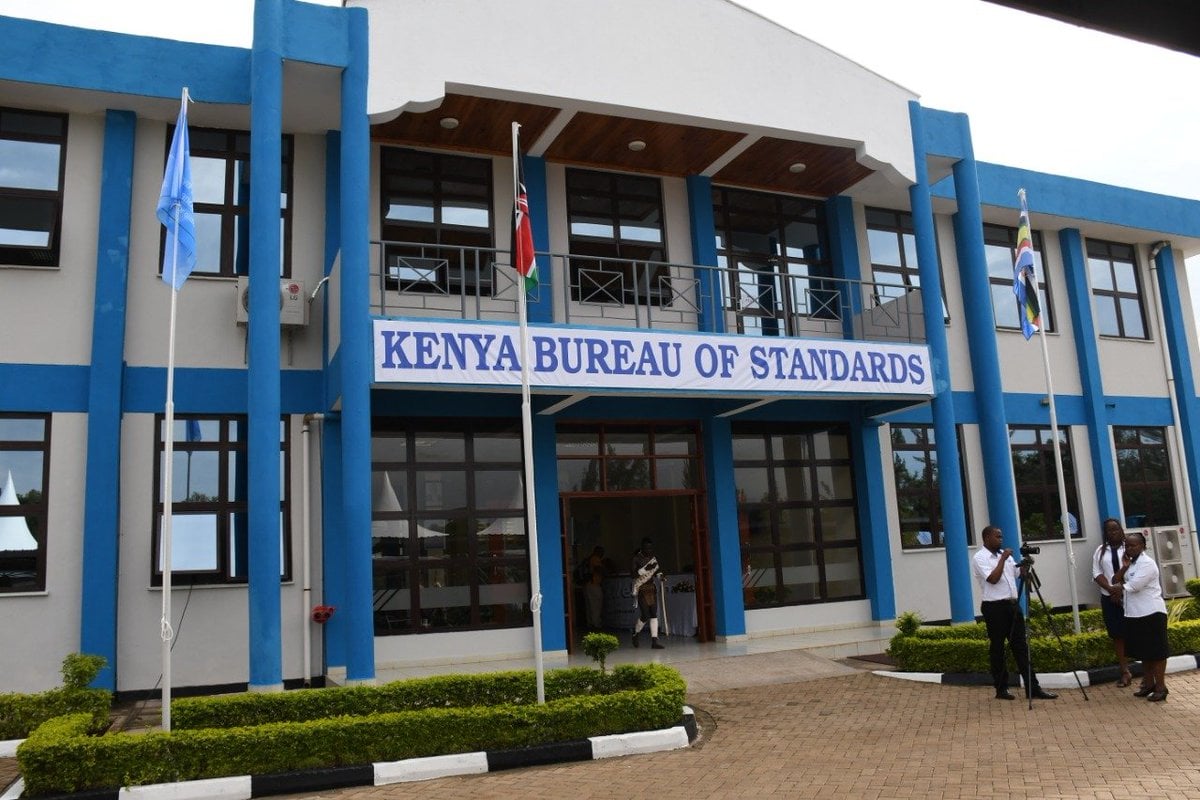
The Kenya Bureau of Standards (KEBS) has defended its decision to clear a controversial consignment of imported raw sugar, telling lawmakers that it relied on inspection reports from its contracted inspection firm in South Africa.
Appearing before the National Assembly Departmental Committee on Trade, Industry and Cooperatives, the KEBS Managing Director said the sugar was inspected and certified in the country of export under the Pre-Export Verification of Conformity (PVoC) programme before being shipped to Kenya.
The Managing Director explained that KEBS conducts independent analysis to verify findings from contracted inspection firms when there is credible information suggesting possible foul play or non-compliance with established standards.
She said the bureau’s primary responsibility is to ensure that the final processed sugar released into the Kenyan market meets the required quality and safety standards.
The KEBS boss said the bureau closely monitors industrial processors and certifies refined sugar after conducting laboratory tests to confirm compliance with the required standards.
According to KEBS, the imported raw sugar was intended strictly for industrial processing and was not approved for direct human consumption.
The agency assured lawmakers that safeguards had been put in place to prevent the raw sugar from entering the retail market before processing.
The committee was further informed that KEBS had collected samples from some of the processed sugar and conducted laboratory tests before issuing a clearance certificate after confirming that the refined product met the country’s quality standards.
However, lawmakers questioned KEBS’ reliance on inspection reports issued at the point of origin, arguing that imported consignments should also undergo independent testing after arriving in Kenya.
The MPs raised concerns that contamination or other changes could occur during transportation, making local testing necessary to verify the safety and quality of imported products.
They urged KEBS to conduct independent analysis of such consignments upon arrival to eliminate doubts and confirm whether the findings of overseas inspection firms match those obtained locally.
The committee said additional local testing would strengthen public confidence in Kenya’s quality assurance system and provide an extra layer of protection for consumers.
The lawmakers also stressed the need for stronger oversight of imported food products, particularly those that eventually enter the local food processing and supply chain.
KEBS, however, maintained that the PVoC system provides a framework for verifying the conformity of imported goods before they are shipped to Kenya, while local monitoring and laboratory testing help ensure that processed products released to consumers meet the required standards.

Email your news TIPS to Editor@Kahawatungu.com — this is our only official communication channel
