


Kenya reduced its annual repayments on Chinese loans by Sh21.61 billion in the financial year ended June 2026 following the restructuring of debt linked to the Standard Gauge Railway (SGR), easing pressure on the national budget.
Treasury data shows the government paid Sh107.74 billion to Chinese lenders during the 2025/26 financial year, down from Sh129.35 billion in the previous year.
The repayments were also Sh44.95 billion lower than the record Sh152 billion paid in the 2023/24 financial year, marking the second consecutive annual decline after repayments peaked.
The lower debt servicing costs followed an agreement between Kenya and China to restructure three US dollar-denominated SGR loans by converting them into Chinese renminbi, extending repayment periods and granting additional grace periods.
The restructuring replaced floating interest rates linked to the Secured Overnight Financing Rate (SOFR) with fixed interest rates in renminbi, reducing Kenya’s exposure to high US interest rates.
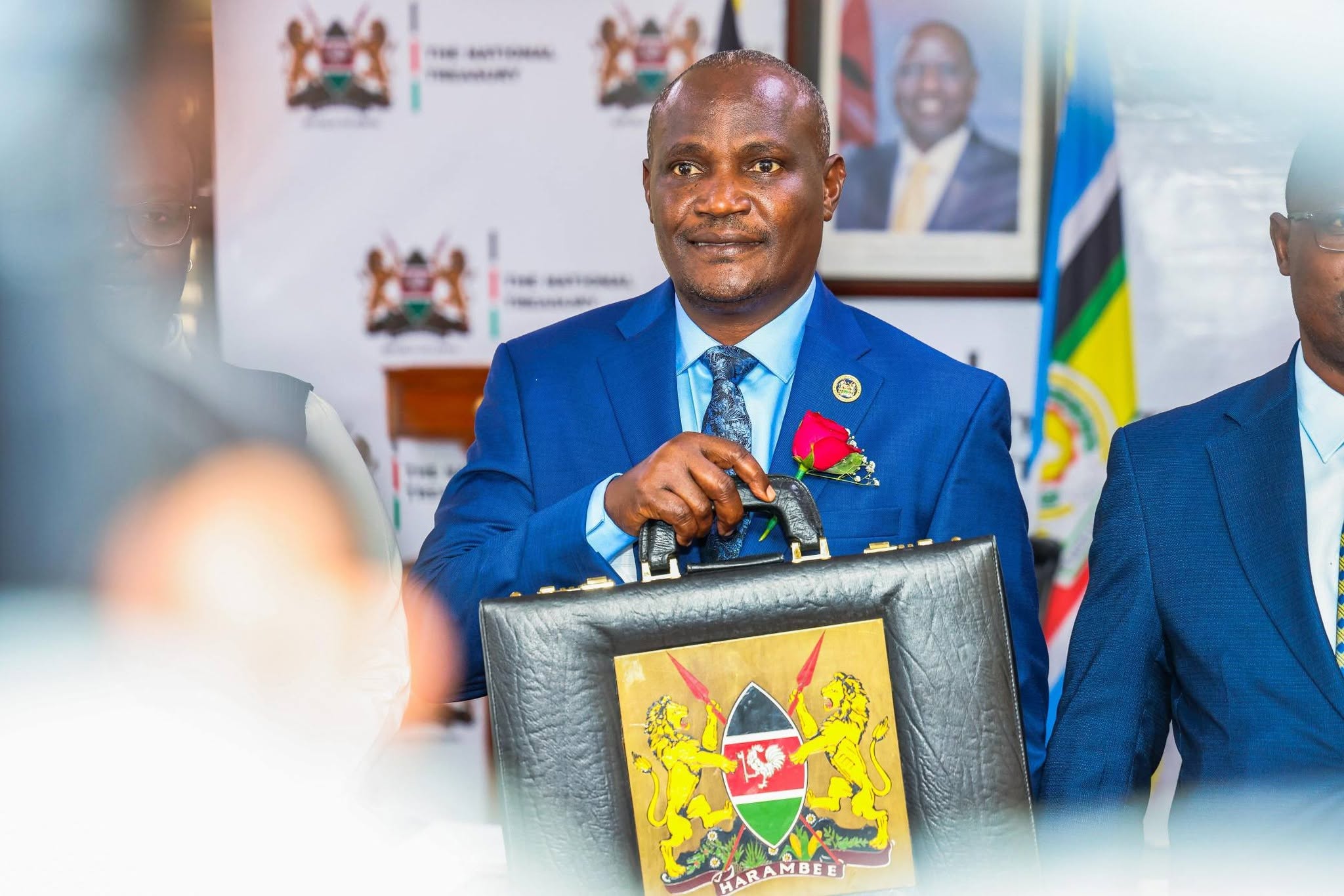
Treasury Cabinet Secretary John Mbadi previously said the move would significantly lower borrowing costs.
“When the loan is in US dollars, then it is SOFR plus a mark-up, but in renminbi it is a fixed rate, which is almost half the rate if we were to apply US dollars. So there is a huge saving there,” Mbadi said.
According to the Treasury, the previous dollar-denominated loans attracted interest rates of more than six percent, while the new renminbi financing carries a fixed rate of about three percent.
Treasury figures show Kenya paid Sh74.74 billion in loan principal and Sh33 billion in interest to Chinese lenders during the 2025/26 financial year, compared with Sh88.61 billion in principal and Sh40.74 billion in interest in the previous year.
The latest figures indicate that Kenya has moved beyond the most demanding phase of repaying Chinese-funded infrastructure loans, particularly those related to the SGR.
China remains Kenya’s largest bilateral lender, having financed major infrastructure projects including the nearly 700-kilometre Standard Gauge Railway from Mombasa to Suswa near Naivasha, as well as roads, ports and energy projects.
The Export-Import Bank of China financed about 90 percent of the railway’s initial construction cost of $3.75 billion (about Sh485.6 billion), excluding interest.
Despite the lower annual repayments, the Treasury says challenges remain over the financing structure of the railway.
The government disclosed that it is negotiating with Beijing to revise the terms governing the SGR escrow account after the current arrangement prevented revenue generated by the railway from being used to service the loans.
Under the existing agreement, all SGR revenue is deposited into a special account jointly managed by the Kenya Railways Corporation (KRC) and the Export-Import Bank of China.
The account must maintain a minimum balance of Sh25 billion before any funds can be released for loan repayments.
According to the Treasury, the required balance has never been achieved, meaning that none of the more than Sh100 billion generated by the railway since operations began in 2017 has been used to repay the loans.
Instead, the National Treasury has continued servicing the debt using tax revenues, with KRC expected to reimburse the government.
However, the reimbursement arrangement has largely failed, with arrears owed by the corporation reaching Sh413.36 billion by the end of June 2025.
“This arrangement has effectively locked out loan repayments, resulting in the steady accumulation of arrears despite continued SGR operations,” the Treasury said in its latest annual debt management report.
The report recommends renegotiating the escrow terms to allow SGR revenues to be used for debt servicing alongside operational and maintenance costs.
According to the Treasury, SGR-related arrears account for 80.8 percent of the Sh511.44 billion owed to the government by state corporations through on-lent and direct loans, highlighting the fiscal risks associated with the project.
The debt restructuring agreement with China is expected to provide the government with greater fiscal flexibility after years in which repayments on Chinese infrastructure loans placed significant pressure on public finances.
The approach has also attracted international attention, with a recent report by AidData identifying countries including Ethiopia, Mozambique, Zambia, Pakistan and Indonesia as potential candidates for similar restructuring of Chinese loans.

Email your news TIPS to Editor@Kahawatungu.com — this is our only official communication channel
