


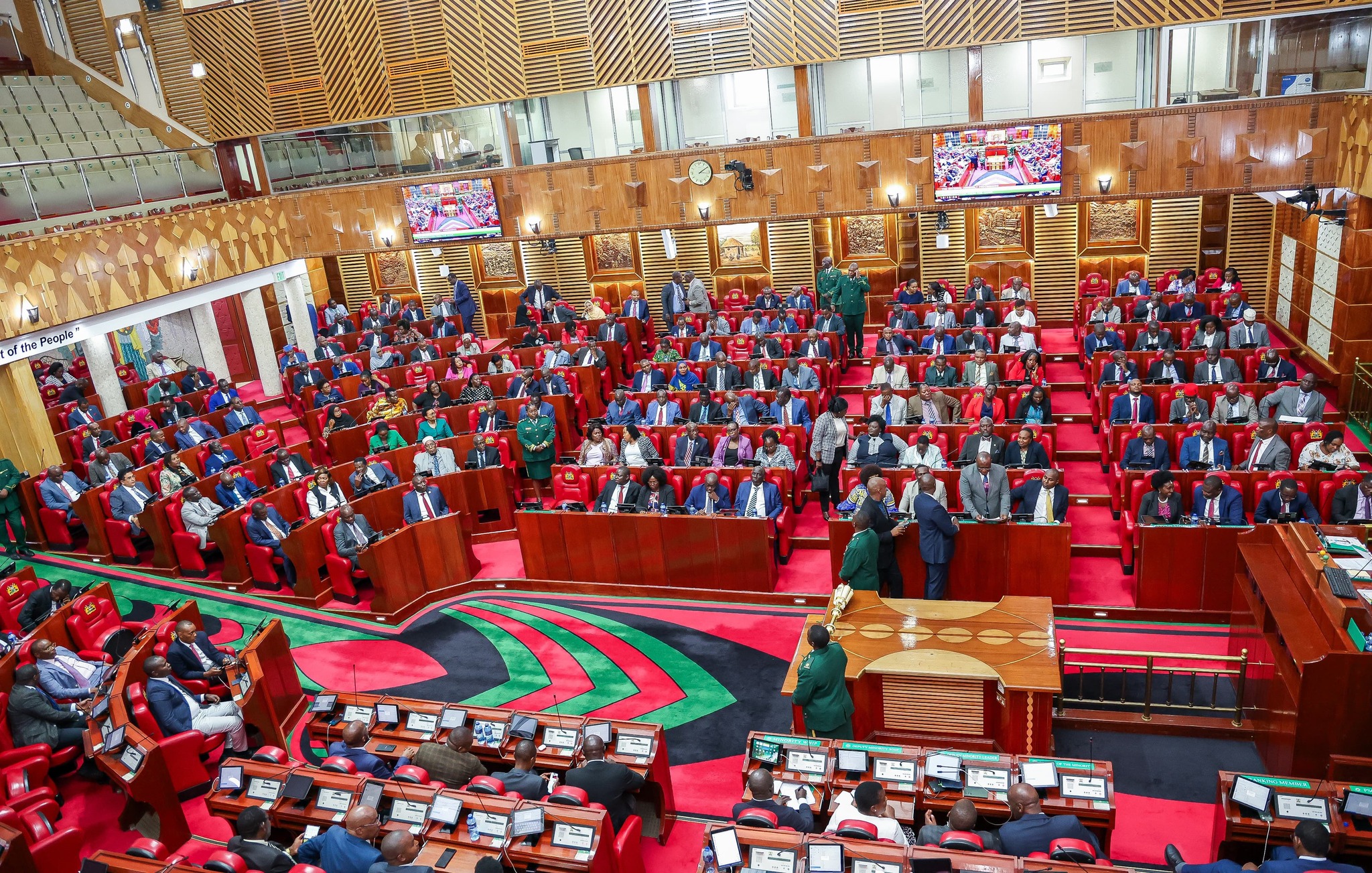
Members of Parliament from Kenya and Tanzania have called for stronger regional cooperation and joint parliamentary oversight to address border clearance delays, improve revenue collection and overcome fiscal challenges affecting development projects in the two countries.
The legislators want the Kenya Revenue Authority (KRA) and Tanzania Revenue Authority (TRA) to harmonise their border clearance operations and speed up the implementation of One-Stop Border Posts to facilitate the movement of goods and services across the two countries.
They also raised concerns over accountability surrounding dividends and immunities involving the East African Development Bank (EADB). The MPs committed to recommending legislative amendments if the existing challenges are not resolved.
The resolutions were reached during a bilateral benchmarking meeting hosted by Kenya’s Departmental Committee on Finance and National Planning. The meeting brought together the Kenyan committee and a Tanzanian parliamentary delegation on a learning mission to understand Kenya’s budgetary and financial oversight framework.
The Tanzanian delegation was led by its Budget Committee Chairperson, Mashimba Mashauri. He said the visit was intended to help the lawmakers understand Kenya’s oversight of revenue collection, public expenditure, public participation in the budget-making process and private-sector financing.
“We came to learn how Kenya oversees government operations, monitors implementation of Parliamentary resolutions and engages citizens in the budget process,” Mashauri said.
He added that the delegation was also interested in understanding how Kenya supervises revenue mobilisation alongside expenditure, involves the private sector in infrastructure development and manages limited resources against competing development needs.
The legislators expressed concern over the slow pace of East African Community (EAC) integration, particularly the time taken by trucks to clear at border points despite agreements establishing One-Stop Border Posts.
They argued that closer coordination between the two revenue authorities would help reduce delays, improve trade efficiency and strengthen regional economic activities.
The MPs also agreed to sustain parliamentary engagements and organise a policy workshop focusing on infrastructure financing, tax harmonisation and other regional economic issues.
During the meeting, Kitui Rural MP David Mboni outlined the constitutional and legislative framework governing Kenya’s Departmental Committee on Finance and National Planning.
He cited Standing Order No. 216 and Articles 95, 118 and 124 of the Constitution, which provide the basis for parliamentary oversight of the National Treasury, the State Department for Economic Planning and key agencies.
These include KRA, the Central Bank of Kenya and the Capital Markets Authority.
Mboni explained that the committee examines tax-related legislation, including the annual Finance Bill, before the proposals are presented to the House.
“All tax-related Bills, including the annual Finance Bill, are committed to this Committee. Before we report any tax legislation to the House, public participation is mandatory. We take memoranda, hold hearings in Parliament and go to Counties to gather the views of Kenyans,” he said.
He also highlighted Kenya’s use of technology and legislative reforms to expand the tax base and improve compliance.
Among the measures he cited was the electronic Tax Invoice Management System (eTIMS), which facilitates real-time invoicing. He also pointed to measures aimed at bringing virtual asset service providers under regulatory oversight.
Mashauri told the Kenyan lawmakers that Tanzania operates a single, unified Budget Committee, unlike Kenya, which has separate Budget and Appropriations and Finance and National Planning committees.
The Tanzanian delegation sought to understand how the different committees in Kenya share responsibilities in budget scrutiny, revenue oversight and monitoring public expenditure.
The meeting provided an opportunity for both legislatures to exchange experiences on public finance management and identify areas where cooperation could improve accountability and regional development.
The MPs said continued engagement between the two parliaments would be important in addressing cross-border trade challenges, improving revenue mobilisation and supporting the wider EAC integration agenda.

Email your news TIPS to Editor@Kahawatungu.com — this is our only official communication channel
