


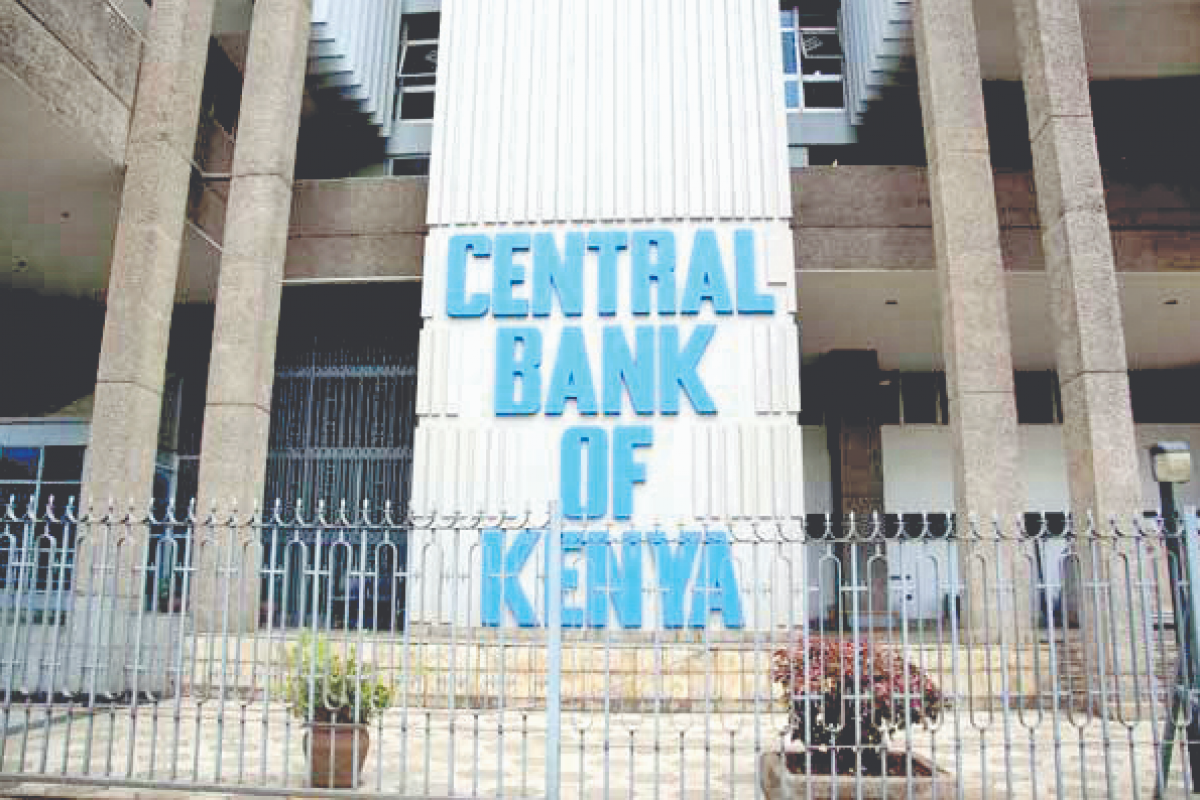
The National Assembly’s Delegated Legislation Committee has directed the Central Bank of Kenya (CBK) to suspend the rollout of proposed regulations governing non-deposit-taking credit providers pending a review of provisions questioned by lawmakers.
The committee raised concerns over what it described as excessive administrative powers, unlawful financial penalties and weaknesses in the drafting of the proposed rules.
The lawmakers warned that some provisions could give the regulator excessive discretion, expose businesses to arbitrary enforcement and undermine consumer protection.
The committee is chaired by Ainabkoi MP Samuel Chepkonga, who questioned whether the proposed regulations complied with the Statutory Instruments Act.
The regulations seek to widen CBK’s oversight beyond digital lenders to cover buy-now-pay-later platforms, asset financiers, peer-to-peer lenders and other non-deposit-taking credit providers.
The proposed framework is intended to address challenges in the credit market, including high borrowing costs, predatory debt collection practices and the misuse of customers’ personal information.
During the committee session, CBK officials told lawmakers that the regulator had received more than 900 licence applications since the digital credit framework was introduced in 2022.
By September 2026, 281 providers had been licensed, with loans issued under the framework valued at approximately Sh165.1 billion.
However, MPs questioned provisions that would allow CBK to demand “any other document” or prescribe “any other function” without clearly defining the limits of its authority.
Chepkonga said the regulations should clearly state the obligations of businesses and prevent the regulator from exercising open-ended powers.
“What we do not allow you is to have open-ended discretion. Kenyans must be given notice and know what the law requires of them. You cannot introduce vague provisions that deny people an opportunity for public participation,” he said.
Bonchari MP Charles Onchoke also criticised the draft, saying some definitions relied on complex legal language that could make it difficult for ordinary Kenyans to understand their obligations.
“This is a document for non-lawyers. You have to use different words to explain what you mean. Bring it down for ordinary people to understand,” Onchoke said.
The committee also raised concerns over Clause 86, which proposes financial penalties of up to Sh2 million.
The lawmakers argued that the proposed penalty exceeded the limit provided under the Statutory Instruments Act, potentially making the provision inconsistent with the law.
“The Statutory Instruments Act provides for a maximum which these regulations exceed. Already, that is inconsistent. It makes these regulations themselves void,” Chepkonga warned.
Kathiani MP Robert Mbui described the draft regulations as fundamentally defective, while committee Vice Chairperson and Gichugu MP Robert Githinji cautioned against implementing rules whose legality remained in question.
The committee directed CBK officials to work with parliamentary legal counsel to review and redraft the disputed provisions before the regulations are implemented.
In a separate matter, lawmakers questioned the National Treasury and other government agencies over their response to recommendations concerning the Virtual Assets Service Providers Regulations, 2026.
Chepkonga reminded representatives from the Office of the Attorney General that parliamentary committees play a key role in scrutinising legislation and that their recommendations should not be disregarded.
“We are the lawmaking body and represent the people. Please do not ignore what we, as a Committee, have recommended,” he told the legal team.

Email your news TIPS to Editor@Kahawatungu.com — this is our only official communication channel
