


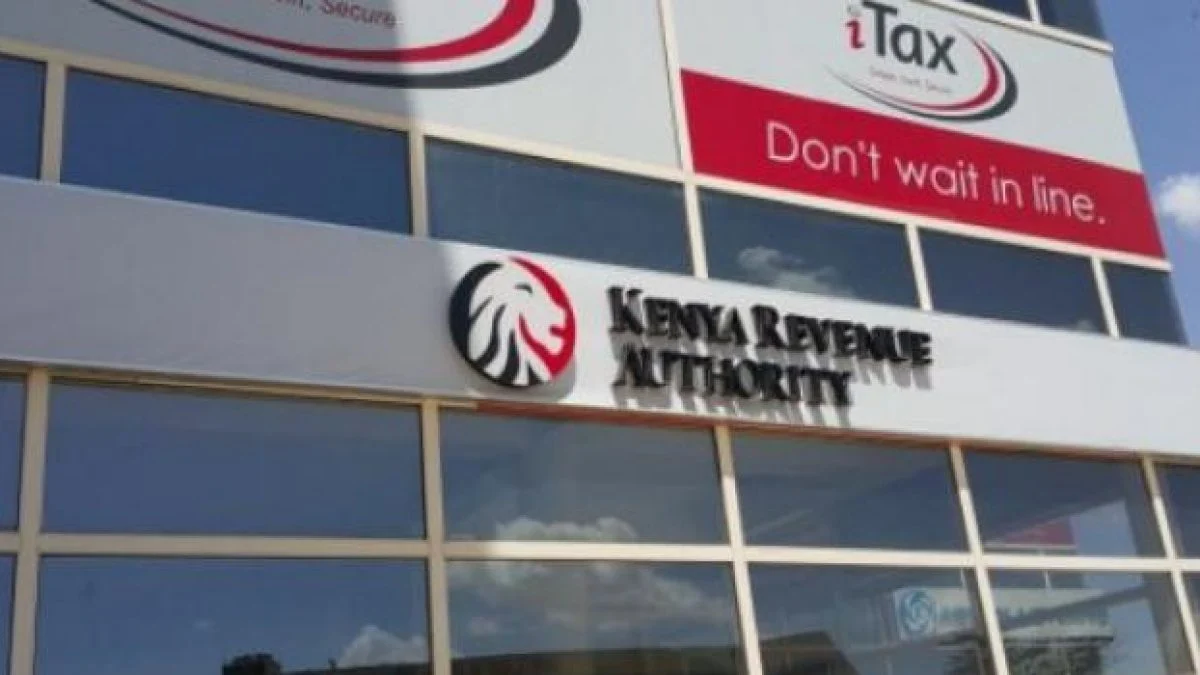
The Kenya Revenue Authority (KRA), in collaboration with the National Treasury, has announced the successful implementation of the integration between the Electronic Tax Invoice Management System (eTIMS) and the Integrated Financial Management Information System (IFMIS).
The new integration is expected to strengthen transparency and accountability in government transactions while improving tax compliance through the automated validation of tax invoices submitted by suppliers doing business with government entities.
According to a public notice issued by KRA on August 31, 2026, the integration marks a significant milestone in the government’s digital transformation agenda and is intended to make financial processes across government entities more efficient and seamless.
KRA has directed all suppliers engaging in business with government entities to generate valid eTIMS invoices for all supplies before submitting them for payment processing through IFMIS.
The tax authority said the details contained in invoices submitted to government entities must correspond precisely with the invoices generated and recorded in eTIMS.
The requirement is expected to enable government agencies to verify invoices electronically before processing payments, reducing the risk of inconsistencies and improving the integrity of government procurement and payment processes.
KRA said the integration will also support automated validation of tax invoices, helping government entities confirm that transactions comply with tax requirements.
The authority has urged suppliers to ensure their tax records and information remain accurate and up to date.
Suppliers have also been encouraged to regularly verify their tax compliance status to avoid challenges when submitting invoices for payment through IFMIS.
KRA said suppliers requiring assistance with eTIMS onboarding, invoice generation or other related matters should use the support channels provided by the authority.
The tax authority said the integration is aimed at creating a more coordinated system between tax administration and government financial management.
KRA said linking eTIMS with IFMIS will promote greater transparency and accountability in government transactions.
The authority expects the system to support more efficient financial processes across government entities by allowing tax invoices to be automatically validated as part of the payment process.
“This integration marks a significant milestone in the Government’s Digital Transformation Agenda,” KRA said in the public notice.
The authority added that the integration would “enhance tax compliance through automated validation of tax invoices.”
The move is part of broader efforts by the government to digitise public financial management and strengthen systems used to monitor transactions involving public funds.
KRA and the National Treasury said they remain committed to supporting stakeholders during the implementation and transition period.
According to the notice, sensitisation programmes, technical support and relevant guidance will continue to be provided to facilitate the adoption of the integrated eTIMS-IFMIS solution.
The support is expected to assist suppliers in understanding the new requirements and ensuring that their invoices meet the necessary standards before being submitted to government entities for payment.
KRA has also provided its Contact Centre as an avenue through which suppliers can seek assistance on eTIMS and related matters.
Under the new arrangement, suppliers doing business with government will need to ensure that their eTIMS invoices are valid and that the information submitted through IFMIS matches the records generated through the tax invoicing system.
Any discrepancies between invoices submitted to government entities and those recorded in eTIMS could create challenges during payment processing.

Email your news TIPS to Editor@Kahawatungu.com — this is our only official communication channel
