


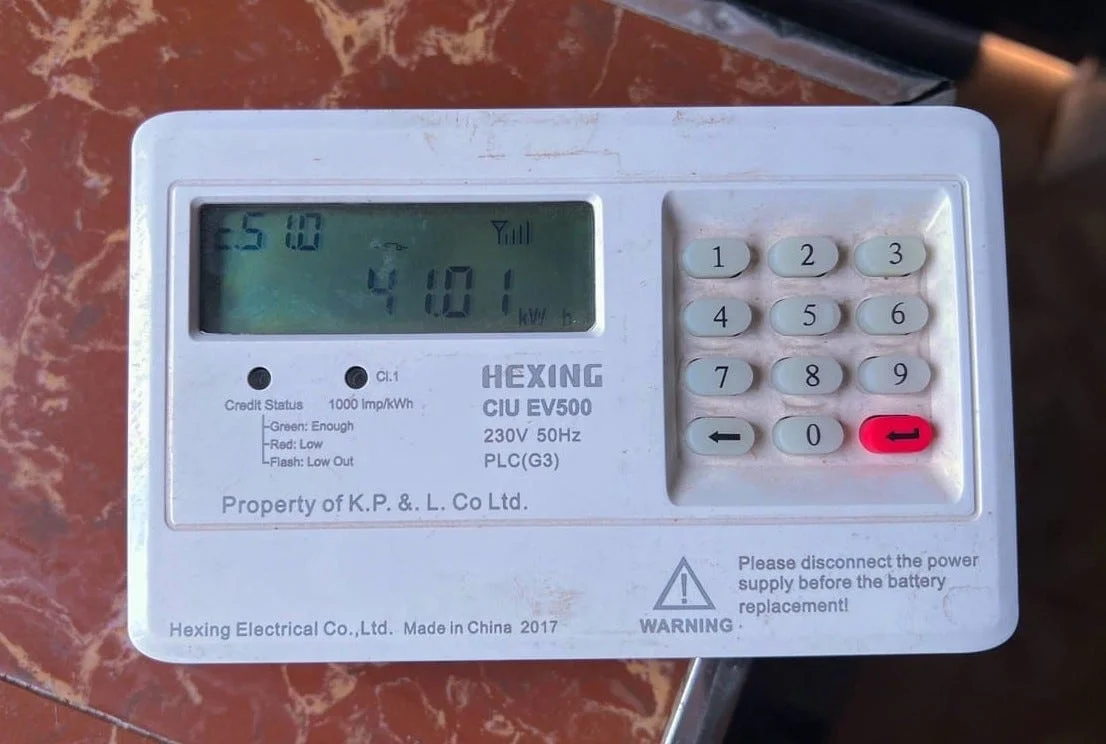
Electricity consumption in Kenya increased across all major customer categories in the year ended June 2026, with domestic users recording a sharp rise in demand while large commercial and industrial consumers remained the country’s biggest users of power.
The latest Energy and Petroleum Regulatory Authority (EPRA) statistics show that domestic electricity consumption increased by 18.87 per cent during the financial year ended June 30, 2026, reflecting higher household demand and growth in the number of domestic electricity customers.
EPRA’s 2025/2026 Energy and Petroleum Statistics Report provides an overview of developments in the electricity, petroleum and renewable energy subsectors during the financial year.
EPRA Acting Director General Dr Joseph Oketch said electricity consumption figures provide important information on demand from households, businesses and industries and help guide planning for generation and transmission infrastructure.
“As a sector, this number tells us the demand that households, businesses and industries have for electricity, and it helps us plan for generation and transmission infrastructure,” Oketch said during the release of the report.
Domestic electricity consumption increased by 686.75 gigawatt-hours (GWh), rising from 3,640.32 GWh in the year ended June 2025 to 4,327.07 GWh in June 2026.
EPRA attributed the growth to an increase in per capita electricity consumption as well as an increase in the number of domestic customers.
As a result, domestic consumers accounted for 34.77 per cent of total electricity consumption during the year, up from 32.13 per cent in the previous year.
Despite the strong growth in household demand, large commercial and industrial consumers continued to account for the largest share of electricity consumption in the country.
The category consumed 5,920.06 GWh during the year, representing a 5.33 per cent increase from 5,620.71 GWh recorded in the previous financial year.
However, the share of electricity consumed by large commercial and industrial users declined from 49.61 per cent to 47.57 per cent.
EPRA attributed the decline in their overall share to stronger growth in electricity consumption among other customer categories.
Small commercial consumers, comprising micro, small and medium enterprises, also recorded an increase in electricity use.
Their consumption rose by 5.17 per cent from 1,913.26 GWh to 2,012.17 GWh during the period.
Despite the increase in actual consumption, the share of small commercial users declined from 16.89 per cent to 16.17 per cent. EPRA linked the decline to stronger growth in domestic electricity consumption and electric mobility.
Street lighting also recorded increased electricity consumption during the year.
Consumption in the category rose by 15.12 per cent from 150.43 GWh in the year ended June 2025 to 173.17 GWh in June 2026.
Its share of total electricity consumption increased slightly from 1.33 per cent to 1.39 per cent.
Electric mobility recorded the fastest percentage growth among the customer categories, although from a relatively small base.
Electricity consumption by electric mobility users surged by 143.01 per cent, rising from 5.04 GWh to 12.25 GWh during the year.
EPRA attributed the sharp increase to growing uptake of the e-mobility tariff.
The number of customers using the tariff increased to 543 by June 2026, compared with 115 customers in the previous year, pointing to a rapid expansion of electricity-powered transport.
The rise in electricity consumption was accompanied by increased power generation during the period.
Total electricity generation increased by 8.44 per cent to 15,692.81 GWh in the year ended June 2026, helping to meet rising demand from households, businesses and industries.
Peak electricity demand also increased during the period, reaching 2,514.28 megawatts on June 29, 2026.
The peak demand represented an 8.55 per cent increase from the previous year, further highlighting the growing pressure on Kenya’s electricity system as consumption expands across different customer categories.
The latest figures also show that electricity demand remains concentrated in particular parts of the country, reflecting differences in population and economic activity.
The Nairobi region recorded a 10.09 per cent increase in electricity consumption, rising from 4,964.34 GWh in the previous year.
EPRA attributed the high level of electricity use in the region to its large population and concentration of industrial activity.

Email your news TIPS to Editor@Kahawatungu.com — this is our only official communication channel
