


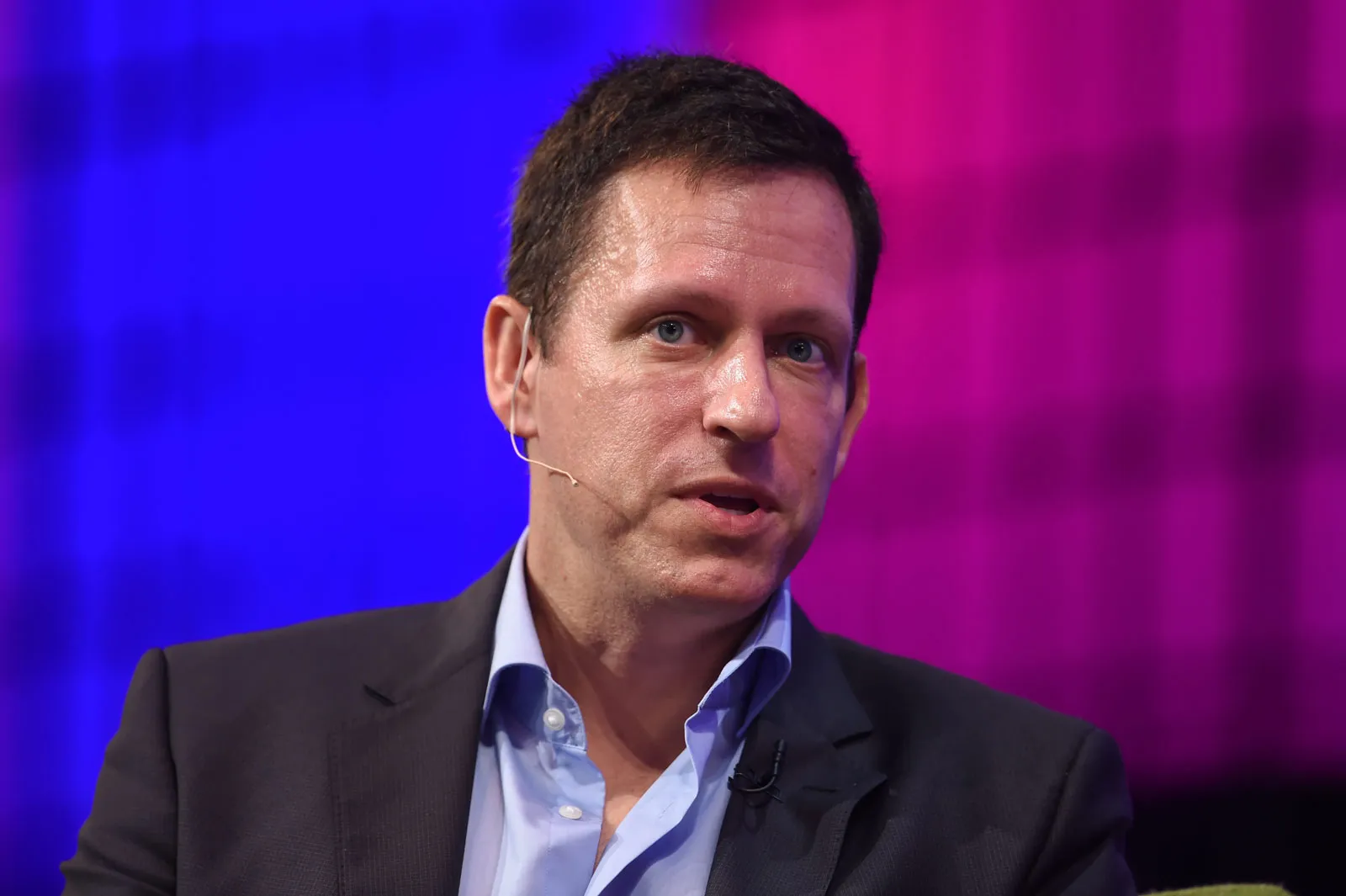
Peter Thiel is a German-born American entrepreneur, venture capitalist, hedge fund manager, and technology investor who has an estimated net worth of $23 billion.
Thiel is best known as a co-founder of PayPal and as the first outside investor in Facebook. His early investments in some of Silicon Valley’s most successful companies transformed him into one of the most influential figures in technology and venture capital.
Over the years, Thiel has built his fortune through startup investments, hedge funds, venture capital firms, and technology companies, including Palantir Technologies, which he co-founded.
| Peter Thiel Net Worth | $23 Billion |
| Date of Birth | October 11, 1967 |
| Place of Birth | Frankfurt, West Germany |
Early Life
Peter Andreas Thiel was born on October 11, 1967, in Frankfurt, West Germany. His family moved to the United States when he was an infant, eventually settling in California after spending time in several locations, including South Africa.
An academically gifted student, Thiel attended Stanford University, where he earned a Bachelor of Arts degree in Philosophy. He later graduated from Stanford Law School with a Juris Doctor degree.
Despite earning a law degree, Thiel quickly realized that entrepreneurship and finance offered greater opportunities than traditional legal practice.
Early Career
After graduating from Stanford Law School, Thiel worked briefly as a law clerk and securities lawyer before transitioning into finance.
He later joined Credit Suisse, where he worked as a derivatives trader. During the mid-1990s technology boom, Thiel became increasingly interested in entrepreneurship and venture investing.
In 1996, he returned to Silicon Valley and raised approximately $1 million from family and friends to launch an investment firm, laying the foundation for his future success.
The Creation of PayPal
One of the defining moments of Thiel’s career came in 1998 when he met Stanford computer science student Max Levchin.
The pair founded Confinity, a company focused on digital payments and financial technology. At the same time, a competing startup called X.com was being built by Elon Musk.
The two companies eventually merged in 2000. Following internal leadership disputes, Thiel became CEO of the combined business and helped transform it into PayPal.
Under his leadership, PayPal focused on email-based payments and rapidly grew into one of the internet’s most successful financial platforms.
In 2002, eBay acquired PayPal for $1.5 billion in stock. Thiel’s stake in the company earned him approximately $60 million, providing the capital that would fuel his future investments.
The PayPal Mafia
The PayPal sale created what became known as the “PayPal Mafia”—a group of former executives and employees who went on to found or fund some of the most successful technology companies in history.
Notable members include:
- Elon Musk – Tesla, SpaceX, X
- Reid Hoffman – LinkedIn
- David Sacks – Yammer, Craft Ventures
- Steve Chen – YouTube
- Chad Hurley – YouTube
- Jawed Karim – YouTube
- Jeremy Stoppelman – Yelp
Among this influential group, Thiel emerged as one of the most successful investors.
Facebook Investment
In 2004, Thiel made what would become one of the most famous venture capital investments in history.
He invested $500,000 in a young social networking startup called TheFacebook, receiving approximately 10.2% ownership and becoming the company’s first outside investor.
At the time, founder Mark Zuckerberg was still a student at Harvard University.
Thiel joined Facebook’s board and provided strategic guidance during the company’s formative years.
When Facebook went public in 2012, Thiel sold a large portion of his holdings. Over time, he generated approximately $1 billion from his original $500,000 investment.
The investment became one of the most profitable venture capital deals ever recorded.
Clarium Capital Management
Following the PayPal acquisition, Thiel established Clarium Capital Management, a global macro hedge fund.
Using approximately $10 million of his PayPal proceeds as seed capital, Clarium grew rapidly and eventually managed more than $7 billion in assets.
The fund initially achieved strong returns through bets on commodities, currencies, and macroeconomic trends. However, performance later declined during the financial crisis and subsequent market turbulence.
Although Clarium eventually faded from prominence, it helped solidify Thiel’s reputation as a major figure in finance.
Founding Palantir Technologies
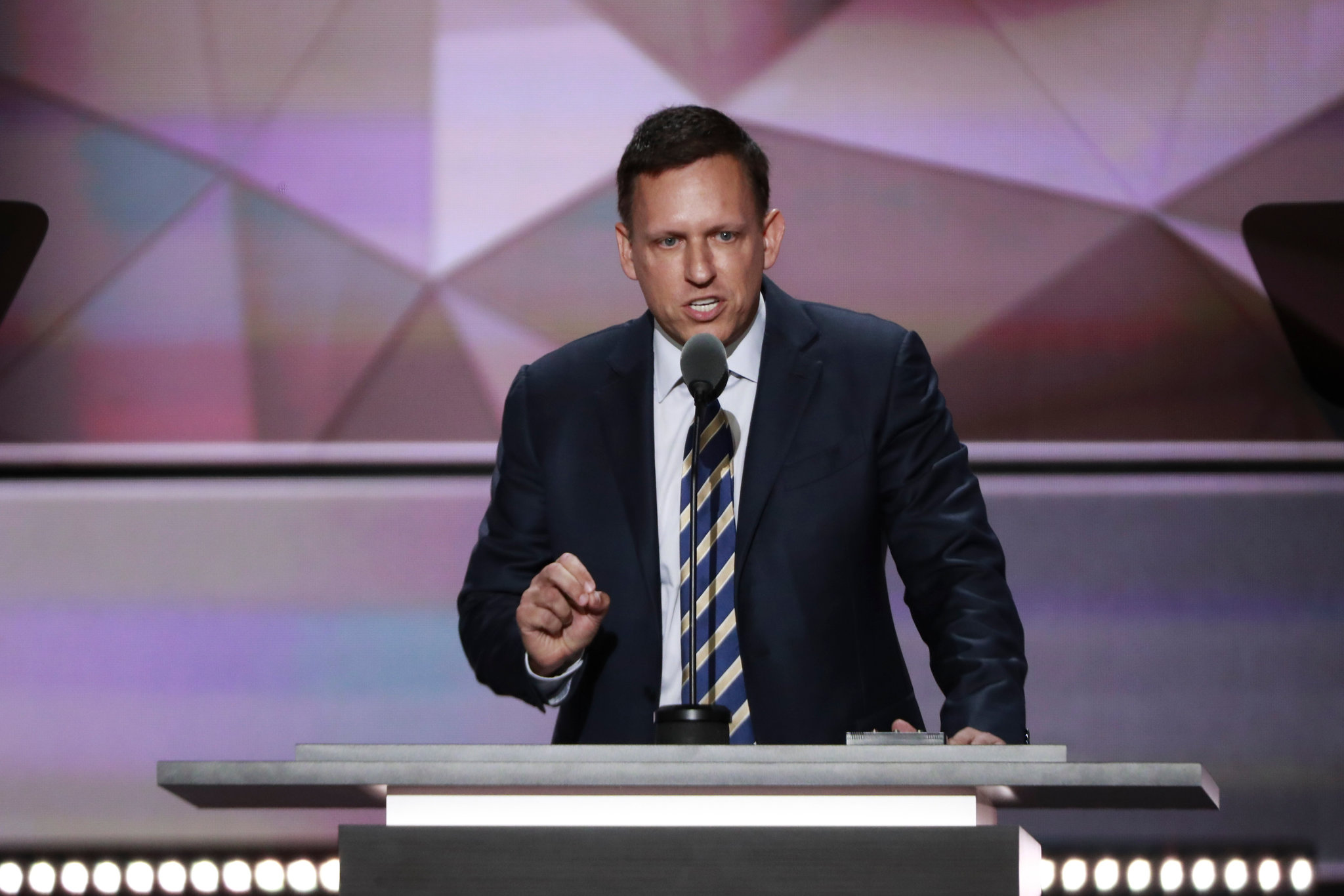
In 2003, Thiel co-founded Palantir Technologies, a software company specializing in data analytics, artificial intelligence, and intelligence operations.
The company developed software platforms used by government agencies, military organizations, and major corporations to analyze massive datasets and identify patterns.
Palantir became one of the most important defense and intelligence technology firms in the United States.
After years as a private company, Palantir went public in 2020.
Today, Thiel remains one of its largest individual shareholders.
Palantir Stake
Thiel’s Palantir holdings represent a significant portion of his wealth.
He owns tens of millions of Palantir shares, and the company’s strong performance in artificial intelligence and government technology contracts has dramatically increased the value of his stake.
As Palantir expanded its role in defense, intelligence, and enterprise software, Thiel’s ownership position became worth billions of dollars.
Founders Fund
Thiel also founded Founders Fund, one of Silicon Valley’s most successful venture capital firms.
The fund has invested in numerous high-profile companies, including:
- SpaceX
- Airbnb
- Stripe
- Spotify
- Lyft
These investments further expanded Thiel’s fortune and influence across the technology sector.
The Famous $5 Billion Roth IRA
One of the most remarkable aspects of Thiel’s wealth involves his retirement account.
Reports revealed that Thiel turned a relatively small Roth IRA investment into an account worth approximately $5 billion.
The strategy began when he purchased founder shares in PayPal through his Roth IRA at a fraction of a cent per share.
When PayPal was sold, the gains remained sheltered within the account. Thiel then used those proceeds to make additional startup investments, including his early Facebook investment.
Because gains inside a Roth IRA can grow tax-free, the account became one of the largest retirement accounts ever disclosed publicly.
The Hulk Hogan
In one of the most controversial episodes of his career, Thiel secretly financed wrestler Hulk Hogan’s lawsuit against Gawker Media.
The lawsuit stemmed from Gawker’s publication of a private video involving Hogan.
The case resulted in a massive judgment against Gawker and ultimately forced the media company into bankruptcy.
After Thiel’s involvement became public, the case sparked widespread debate about privacy rights, freedom of the press, and the influence of wealthy individuals on the legal system.
Thiel stated that his support for the lawsuit was motivated by his belief that Gawker had repeatedly crossed ethical boundaries.
Political Views
Thiel is known for his unconventional political and philosophical views.
He has described himself as a libertarian and has often criticized conventional thinking within Silicon Valley.
His interests extend beyond technology and investing into areas such as:
- Artificial intelligence
- Anti-aging research
- Biotechnology
- Seasteading projects
- Government reform
- Education alternatives
In 2016, he attracted significant attention by publicly supporting Donald Trump, making him one of the few prominent Silicon Valley leaders to do so.
Philanthropy
Through the Thiel Foundation, Peter has funded numerous educational, scientific, and entrepreneurial initiatives.
One of his most famous projects is the Thiel Fellowship, which offers young entrepreneurs $100,000 to leave college and pursue business ventures full-time.
The fellowship reflects Thiel’s belief that traditional higher education is not always necessary for innovation and entrepreneurial success.
He has also supported organizations focused on journalism, artificial intelligence research, medical science, and life-extension technologies.
Also Read: Elon Musk Net Worth 2026: How the World’s First Trillionaire Built His Fortune

Email your news TIPS to Editor@Kahawatungu.com — this is our only official communication channel
