


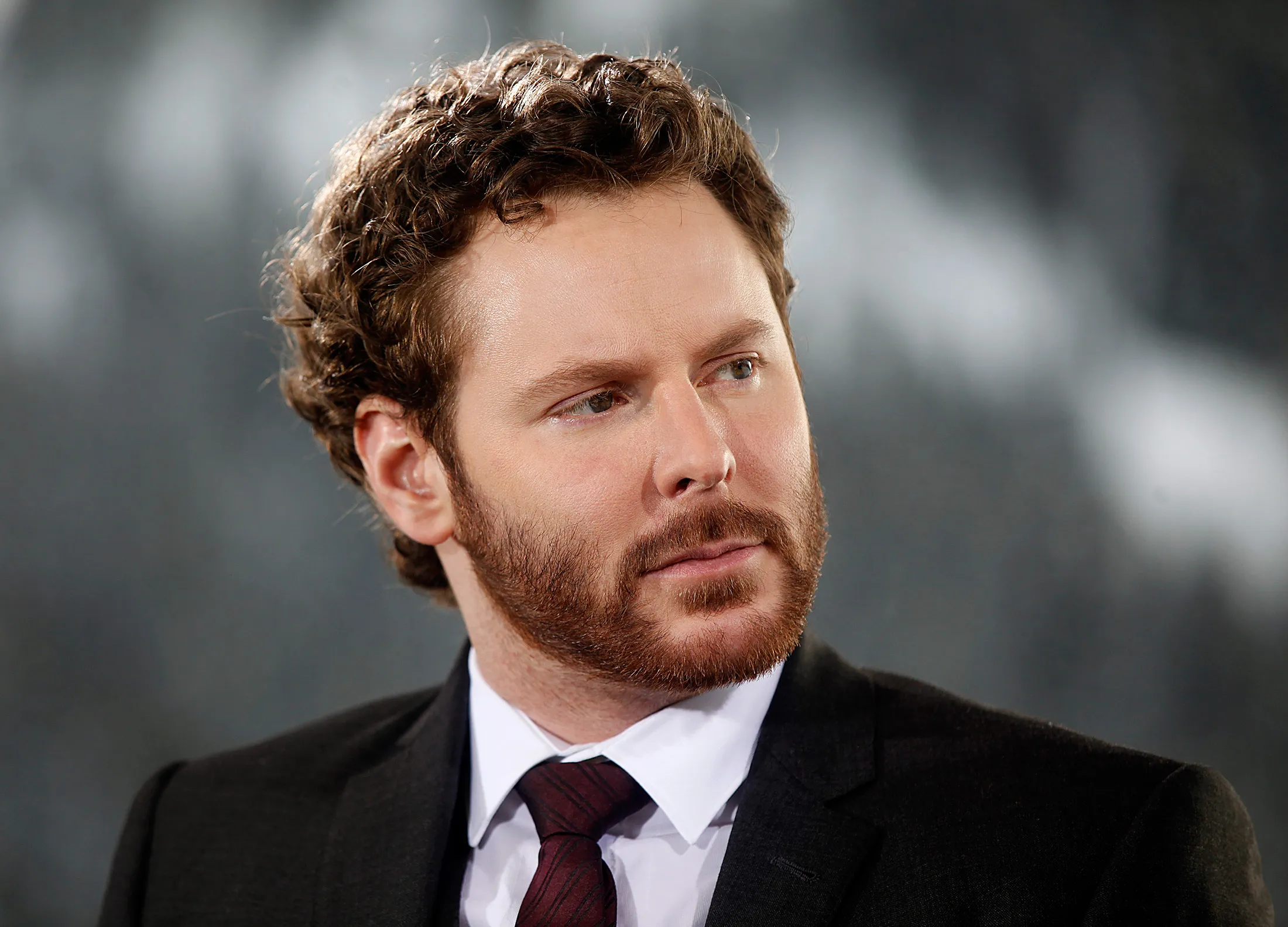
Sean Parker is an American entrepreneur, investor, and philanthropist who has an estimated net worth of $3 billion.
Parker is best known for co-founding the revolutionary music-sharing platform Napster and for serving as the first president of Facebook. His influence on the technology industry extends far beyond those roles, as he has also played key parts in the growth of companies such as Spotify and various venture-backed startups.
Despite experiencing setbacks and controversies throughout his career, Parker remains one of Silicon Valley’s most influential innovators and investors.
| Sean Parker Net Worth | $3 Billion |
| Date of Birth | December 3, 1979 |
| Place of Birth | Herndon, Virginia |
| Nationality | American |
Early Life
Sean Parker was born on December 3, 1979, in Herndon, Virginia.
His father, a government oceanographer, introduced him to computer programming at the age of seven using an Atari 800 computer. Parker quickly developed a passion for coding and technology.
As a teenager, he became fascinated with computer systems and hacking. At one point, he gained unauthorized access to a Fortune 500 company’s network. The incident attracted the attention of federal authorities, but because Parker was a minor, he received community service rather than criminal penalties.
Parker attended Chantilly High School in Virginia, where his programming abilities stood out. His school even allowed him to count time spent coding in the computer lab toward academic credit.
While still in high school, Parker launched several technology ventures and reportedly earned more than $80,000 annually before graduation. Rather than attend college, he chose to pursue entrepreneurship full-time.
The Creation of Napster
One of the most important moments in Parker’s career came when he met fellow technology enthusiast Shawn Fanning online.
The two teenagers bonded over programming and internet culture and eventually launched Napster in 1999.
Napster allowed users to share music files directly over the internet, transforming how people accessed music. The service quickly exploded in popularity, attracting tens of millions of users within a short period.
At a time when digital music distribution barely existed, Napster fundamentally changed consumer behavior and challenged the traditional music industry.
Although the platform eventually faced legal battles from record labels and artists—including a high-profile dispute with Metallica—its impact on digital entertainment was enormous.
Many observers view Napster as the catalyst that paved the way for services such as Spotify, Apple Music, and other streaming platforms.
Launching Plaxo
After Napster’s collapse, Parker shifted his focus to a new venture.
In 2002, he co-founded Plaxo, an online address book and contact-management platform that integrated with Microsoft Outlook.
Plaxo became one of the earliest successful social networking and contact-sharing services. Its innovations influenced later platforms such as LinkedIn, Facebook, and other professional networking services.
Despite helping build the company, Parker was eventually pushed out by investors in 2004.
Joining Facebook
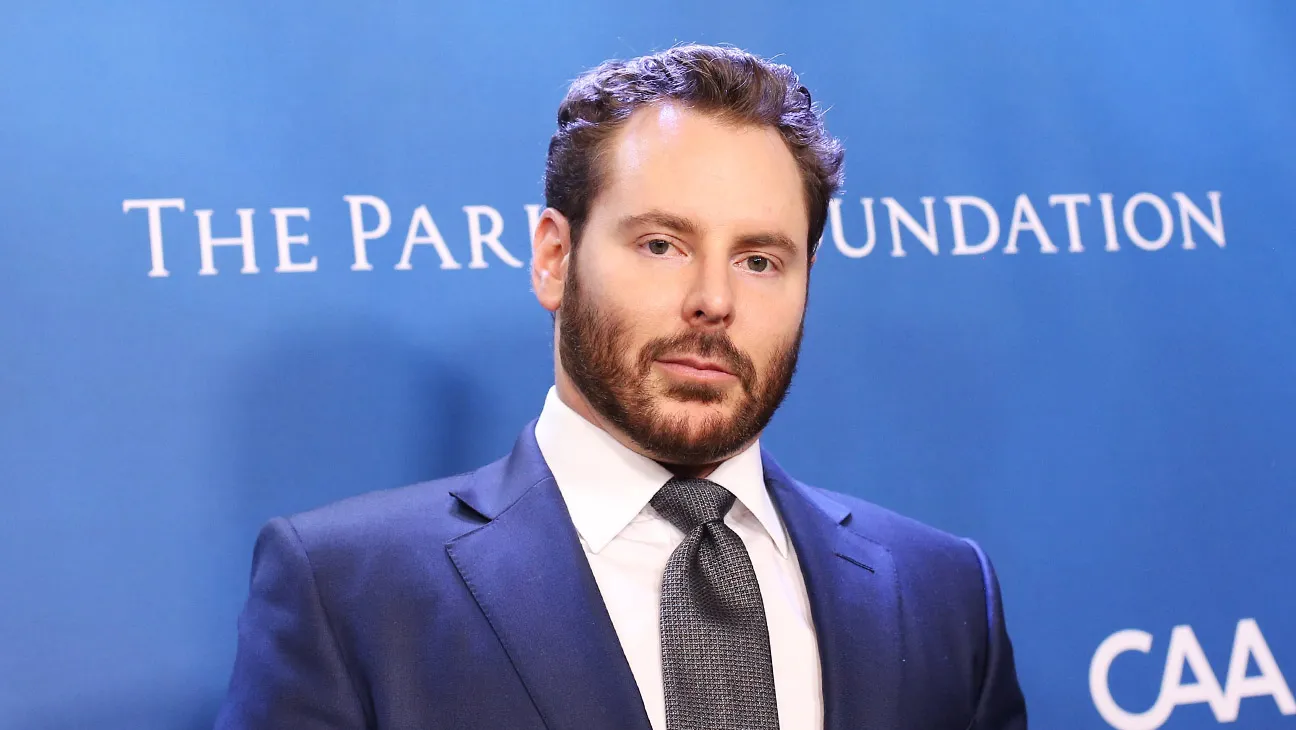
Later in 2004, Parker was introduced to a rapidly growing startup known as TheFacebook.
After meeting founder Mark Zuckerberg, Parker joined the company as its first president.
His arrival proved pivotal.
Parker helped guide Facebook’s early business strategy, introduced key investors, and played a major role in transforming the company from a college networking site into a scalable technology business.
One of his most important contributions was helping secure an investment from venture capitalist Peter Thiel, who became Facebook’s first outside investor.
Parker also reportedly influenced the decision to simplify the company’s name from “TheFacebook” to simply “Facebook.”
Departure From Facebook
Parker’s tenure at Facebook ended in 2005 following an incident involving a rented vacation property where authorities discovered narcotics.
Although Parker was not convicted of any drug-related crimes, the controversy led him to step down from his role as president.
Despite his departure, his influence on Facebook’s early growth remained significant.
His contributions were later dramatized in the 2010 film The Social Network, where Parker was portrayed by Justin Timberlake.
Venture Capital
Following Facebook, Parker expanded his influence in venture capital.
In 2006, he joined Founders Fund as a managing partner.
The firm, founded by Peter Thiel and other technology entrepreneurs, became one of Silicon Valley’s leading venture investment organizations.
Through Founders Fund, Parker gained exposure to numerous startup investments and continued building his wealth through technology ventures.
Early Investment in Spotify
One of Parker’s most successful investment decisions involved Spotify.
In 2009, he discovered the Swedish music-streaming startup and quickly recognized its potential.
Parker invested approximately $15 million in Spotify and later joined the company’s board of directors.
Beyond providing capital, he helped negotiate licensing agreements with major record labels, a critical step in Spotify’s expansion into the United States.
His involvement proved instrumental in helping Spotify become the world’s leading music-streaming platform.
Airtime
Parker continued launching and supporting new businesses throughout the 2010s.
He co-founded Airtime, a video-chat platform designed to connect people through shared interests and social interactions.
Although Airtime never achieved the scale of Facebook or Spotify, it demonstrated Parker’s continued interest in communication technologies and social networking innovation.
Brigade
In 2014, Parker launched Brigade, a platform focused on civic engagement and political participation.
The project aimed to make political involvement more accessible and encourage informed civic action.
Parker served as executive chairman and used the platform to promote discussions around democracy, public policy, and citizen participation.
Philanthropy
Beyond business, Parker has become a major philanthropist.
Through the Parker Foundation, he has donated substantial sums to scientific research, healthcare initiatives, and public health programs.
Some of his most notable philanthropic contributions include:
- The Parker Institute for Cancer Immunotherapy
- The Sean N. Parker Center for Allergy Research at Stanford University
- Global public health initiatives
- Civic engagement and democratic participation projects
His philanthropic efforts focus heavily on accelerating scientific discoveries and improving healthcare outcomes.
Marriage
Parker became engaged to singer-songwriter Alexandra Lenas in 2011.
The couple married in 2013 during an elaborate ceremony in Big Sur, California.
The wedding attracted significant media attention due to its fantasy-inspired theme and reported $4.5 million cost.
Guests wore custom-designed costumes created by acclaimed costume designer Ngila Dickson, known for her work on The Lord of the Rings film trilogy.
The event was attended by several prominent technology executives and entrepreneurs.
Parker and Lenas have two children together.
Real Estate Portfolio
Parker has invested heavily in luxury real estate over the years.
In 2011, he purchased a historic Manhattan townhouse known as the Bacchus House for approximately $20 million.
He later acquired neighboring properties, creating an extensive real estate compound in New York City.
In Los Angeles, Parker purchased the famous Brody House in 2014 for approximately $55 million. The mansion had previously been owned by Ellen DeGeneres.
These properties reflect Parker’s significant wealth and status within the technology elite.
Also Read: Peter Thiel Net Worth

Email your news TIPS to Editor@Kahawatungu.com — this is our only official communication channel
