


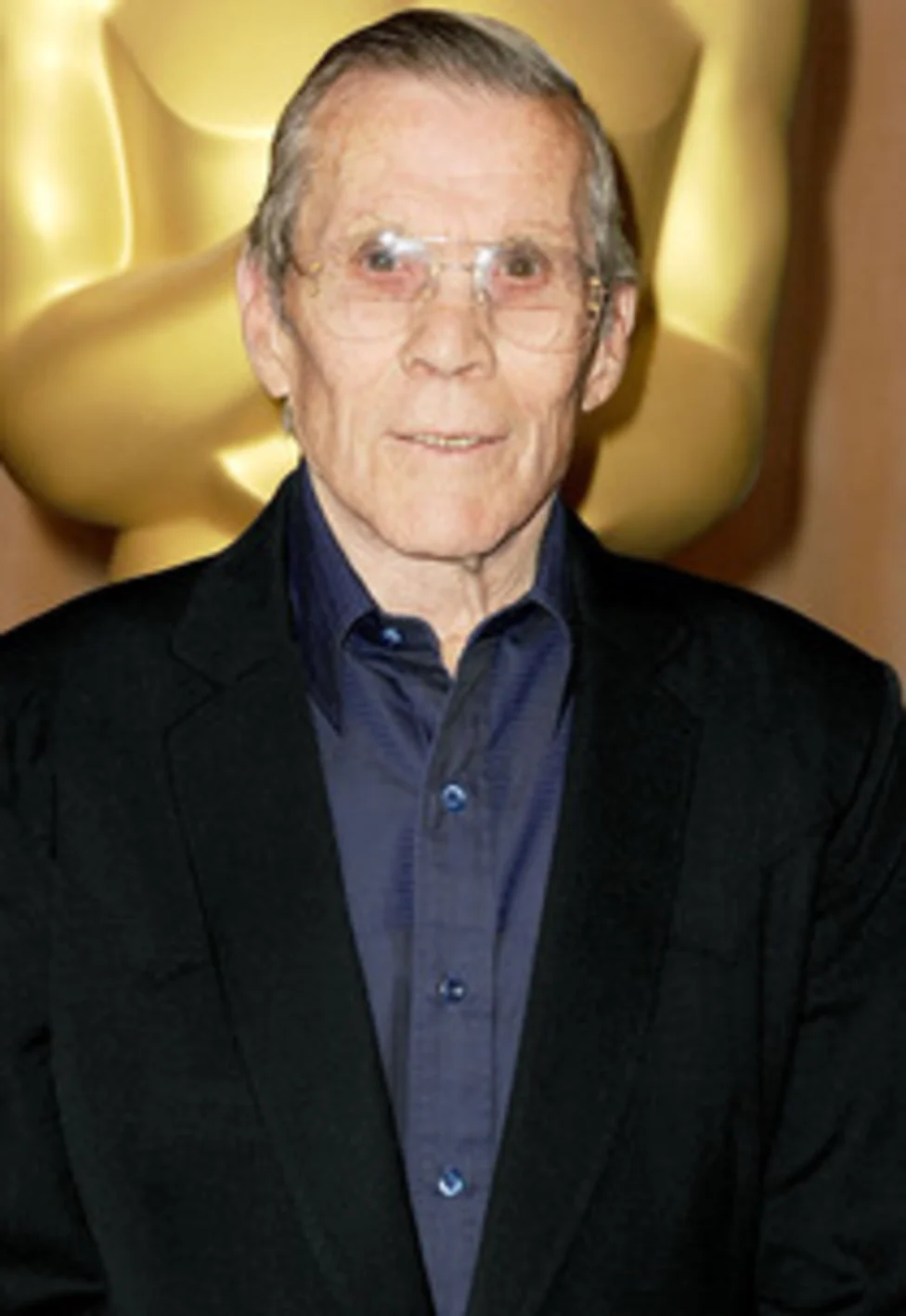
Hal Needham was an American stuntman, film director and innovator who had an estimated net worth of $2 million at the time of his death in 2013. He was best known for directing Smokey and the Bandit, Hooper and The Cannonball Run. His work as a stuntman also helped shape the action sequences in numerous Hollywood films.
Needham spent several decades in the entertainment industry. He began his career performing dangerous stunts before moving into directing and developing new equipment for filming action scenes. His close friendship and professional partnership with actor Burt Reynolds played an important role in his career. In 2012, Needham received an honorary Academy Award in recognition of his contributions to stunt performance and filmmaking.
| Hal Needham Net Worth | $2 Million |
| Date of Birth | Mar 6, 1931 – Oct 25, 2013 |
| Place of Birth | Memphis, Tennessee |
Early Life
Hal Needham was born in Memphis, Tennessee, and later became one of Hollywood’s best-known stunt performers. Before entering the film industry, he served as a paratrooper during the Korean War.
His military experience involved physical training and demanding activities. After his service, Needham explored opportunities in modelling and acting before deciding to pursue stunt work.
He trained under Chuck Roberson, a respected stuntman and choreographer who frequently worked with John Wayne. The training helped Needham develop the technical skills and confidence needed to perform dangerous scenes.
His willingness to take on physically demanding assignments helped him establish a reputation in Hollywood. He gradually secured work on major productions and became known for his ability to perform challenging stunts.
Early Stunt Career
Needham first gained wider recognition as the stunt double for Richard Boone on the television series Have Gun, Will Travel. This opportunity helped him build connections and gain experience in the entertainment industry.
During the 1960s, he worked on numerous film and television productions. His credits included How the West Was Won and Little Big Man. These projects required stunt performers to handle demanding physical sequences, including falls, fights and other action scenes.
Needham later became a regular stunt double for Clint Eastwood and Burt Reynolds. Working with established stars helped him secure more assignments and expand his professional reputation.
His experience was not limited to performing stunts. Needham increasingly became involved in planning action sequences and directing second-unit productions. This work allowed him to develop the filmmaking skills that would eventually support his transition into directing full-length movies.
His Partnership With Burt Reynolds
Burt Reynolds was an important figure in Needham’s professional life. The two developed a close friendship and worked together on several successful films.
Their partnership was particularly important during Needham’s transition from stunt work to directing. Reynolds starred in several of the films Needham directed, helping bring his approach to action comedy to a wider audience.
Their best-known collaboration was Smokey and the Bandit, released in 1977. The film combined car chases, comedy and a road adventure centred on a trucker transporting bootleg beer across state lines.
The film became a major commercial success and helped establish Needham as a director. Its popularity also led to sequels and further collaborations between the two men.
Their relationship later attracted renewed public interest through Quentin Tarantino’s 2019 film Once Upon a Time in Hollywood. Brad Pitt’s character, Cliff Booth, was loosely based in part on Needham and his relationship with Reynolds.
Smokey and the Bandit and His Directing Career
Needham made his feature-film directing debut with Smokey and the Bandit. Released in 1977, the film starred Reynolds alongside Sally Field and Jackie Gleason.
Its success demonstrated Needham’s ability to turn his stunt experience into entertaining action cinema. The film relied heavily on vehicle stunts, high-speed chases and physical comedy. These elements became important features of his directing style.
Needham followed the success with Hooper in 1978. The film focused on the life of a professional stuntman and drew on the world Needham knew from his own career.
He later directed The Cannonball Run, released in 1981. The action comedy featured an ensemble cast and centred on an illegal cross-country road race. It became another prominent title in Needham’s filmography.
His other directing credits included Stroker Ace and Cannonball Run II. These productions reinforced his association with action comedies and vehicle-based stunts.
Stunts Unlimited
In the early 1970s, Needham helped establish Stunts Unlimited, a company that brought together experienced stunt performers. The organisation reflected the growing importance of specialist stunt teams in Hollywood filmmaking.
Needham’s experience helped him understand the practical challenges involved in staging action sequences. He knew that successful stunts required careful planning, skilled performers and reliable equipment.
After moving into directing, he continued to draw on that experience. His films often featured elaborate vehicle movements, crashes and other demanding sequences that required coordination between performers and camera crews.
His career demonstrated how stunt performers could contribute to filmmaking beyond their physical performances. Needham helped show that practical knowledge of stunts could be a valuable asset in directing action-heavy productions.
Innovations in Stunt Filming
Needham also made contributions to the technology used in action filmmaking. One of his notable innovations was the Shotmaker Elite, a camera car and crane system designed to capture dynamic moving shots.
The equipment allowed filmmakers to record vehicle sequences from controlled camera positions while maintaining movement through complex scenes. Such technology helped improve the way action sequences were filmed.
Needham’s interest in equipment reflected his practical approach to filmmaking. He understood that better camera systems could give directors greater flexibility when capturing fast-moving action.
His technical work added another dimension to his legacy. He was not only a stunt performer and director but also an innovator who helped develop tools for the wider film industry.
Awards
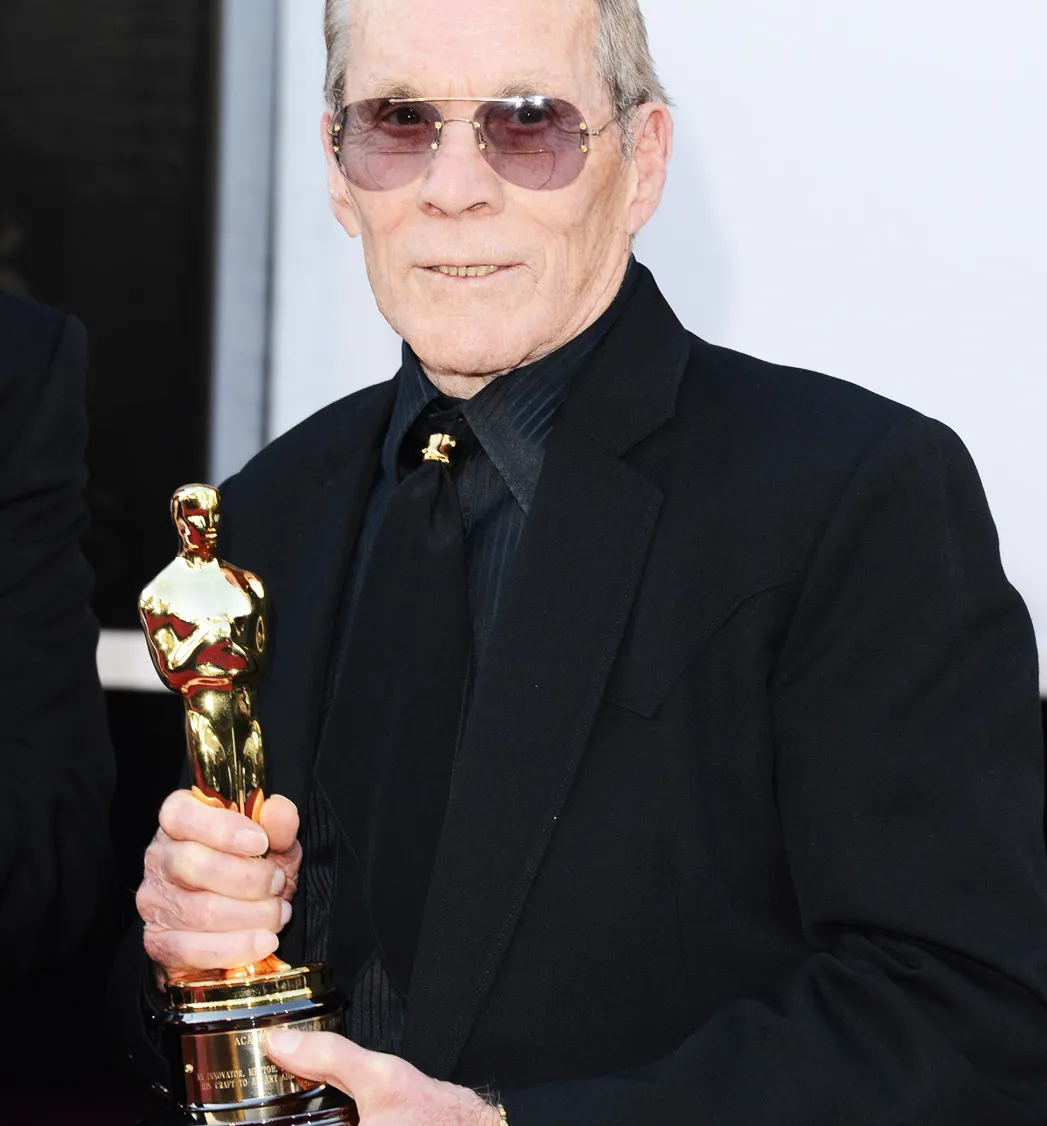
Needham’s contributions to Hollywood received major recognition late in his career. In 2012, he received an honorary Academy Award for his lifetime achievements in filmmaking, particularly his work in stunt performance and his efforts to improve stunt safety.
The honour recognised a career that had helped shape the presentation of action on screen. His work influenced how filmmakers approached practical stunts, vehicle sequences and physical performances.
Needham also received recognition from the stunt community, including a Lifetime Achievement Award from the Taurus World Stunt Awards.
His career helped raise the profile of stunt performers, whose work is essential to many action films but often receives less public attention than acting and directing.
Philanthropy
Needham’s involvement in the stunt community extended beyond his professional work. He established the Hal Needham Life Enhancement Award to support stunt performers facing physical injuries or financial difficulties.
Stunt work can involve significant risks, and injuries may affect performers’ ability to continue working. Initiatives supporting injured stunt professionals reflected Needham’s concern for people working in the field.
His efforts contributed to a broader recognition of the challenges faced by stunt performers. The award also formed part of his legacy beyond the films he directed and the equipment he helped develop.
Also Read: Albert S. Ruddy Net Worth

Email your news TIPS to Editor@Kahawatungu.com — this is our only official communication channel
