


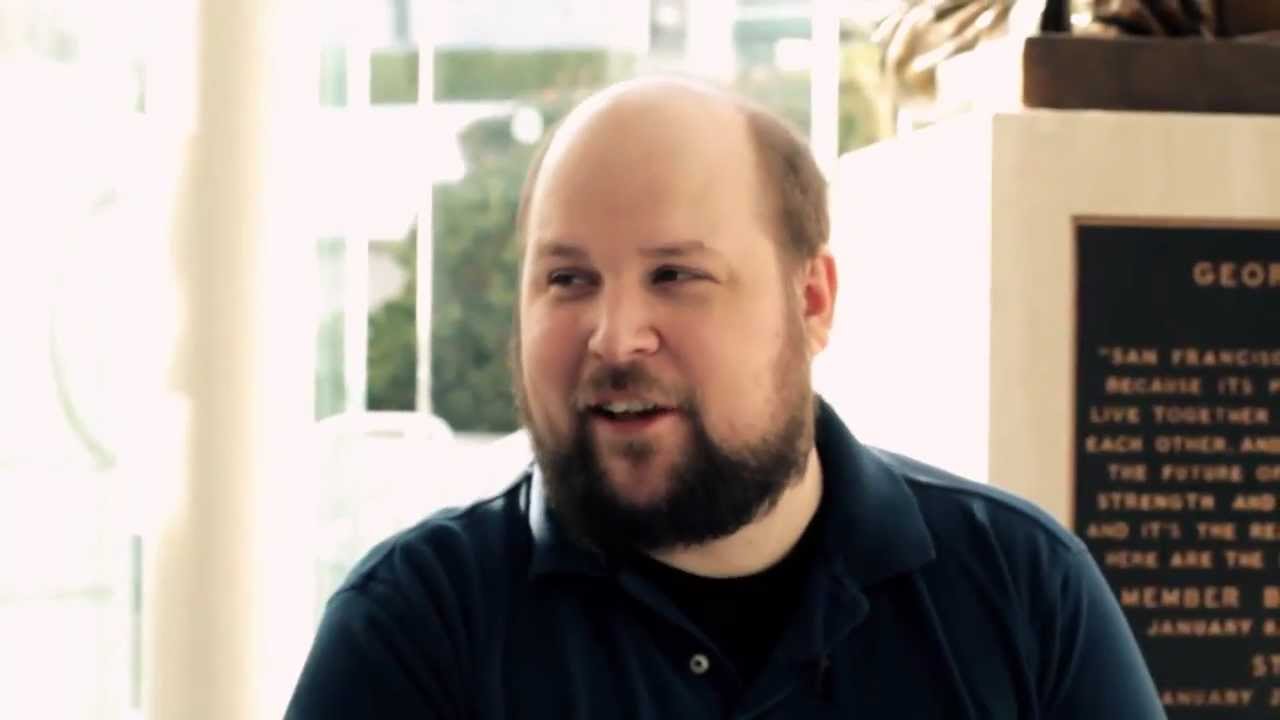
Markus Persson, widely known as Notch, is a Swedish video game developer and entrepreneur with an estimated net worth of $1.5 billion. He built his fortune by creating Minecraft, a sandbox video game that became one of the most successful gaming franchises in history. His biggest financial breakthrough came in 2014 when Microsoft acquired Mojang, the company behind the game, for $2.5 billion.
Persson developed the early version of Minecraft in 2009. The game allowed players to explore virtual worlds, collect resources, build structures, and create their own adventures. Its simple design and open-ended gameplay attracted millions of players. The success transformed Persson from an independent programmer into a billionaire.
Through Mojang, which he co-founded with Jakob Porsér and Carl Manneh, Persson earned substantial income from game sales, licensing fees, and other commercial activities. His 71% ownership stake in Mojang was valued at approximately $1.775 billion based on Microsoft’s acquisition price, before taxes and other adjustments. He left the company after the transaction and later pursued smaller game development projects.
| Markus Persson Net Worth | $1.5 Billion |
| Date of Birth | Jun 1, 1979 |
| Place of Birth | Stockholm |
Mojang’s Earnings Before the Microsoft Deal
Mojang generated substantial revenue while operating as an independent game studio. The company’s financial success was closely linked to the popularity of Minecraft and the commercial use of its intellectual property.
In 2012, Mojang paid Persson 640 million Swedish kronor in licensing fees, equivalent to approximately $101 million at the exchange rates used in contemporary reports. In 2013, payments increased to 821 million kronor, or about $129 million. Together, the payments amounted to approximately $230 million over the two years.
Mojang reported revenue of 2.07 billion kronor in 2013, equivalent to around $330 million. The company recorded 816 million kronor in profit after accounting for licensing fees. Income came from multiple versions of Minecraft, merchandise, and other commercial activities connected to the franchise.
The company’s founders retained ownership without bringing in outside investors. Although prominent investors expressed interest, Mojang did not pursue venture capital funding. Persson also shared some of the company’s early financial success with employees. In 2011, he distributed his $3 million dividend among staff members.
Microsoft’s $2.5 Billion Acquisition of Mojang
The most significant financial event in Persson’s career occurred in 2014. In June of that year, he publicly expressed frustration with the responsibilities of owning Mojang and asked whether anyone wanted to buy his share of the company.
Microsoft announced an agreement to acquire Mojang and Minecraft for $2.5 billion in September 2014. The transaction was completed on November 6, 2014.
Persson held approximately 71% of Mojang through his ownership structure. Applying that percentage to the announced purchase price gives a value of about $1.775 billion before taxes and other adjustments. His fellow founders, Jakob Porsér and Carl Manneh, held the remaining shares. All three left the company following the acquisition.
The deal gave Microsoft control of one of the world’s most recognizable video game franchises. For Persson, it marked the end of his direct involvement in the business that had made him a billionaire.
He explained that becoming the public face of a global gaming phenomenon had created pressures he no longer wanted. After the sale, he sought to return to smaller programming projects without managing a company serving a massive international audience.
Early Life
Markus Alexej Persson was born on June 1, 1979, in Stockholm, Sweden. He spent part of his early childhood in Edsbyn before his family returned to Stockholm.
His interest in computers began at a young age. He started programming when he was seven and created a text-based adventure game at eight. These early experiments helped him develop the skills that would later shape his career.
Persson has spoken about growing up in a difficult family environment. His parents divorced, and he has described financial challenges during his childhood. He did not complete high school, but he continued developing his programming abilities and pursuing game development.
His early interest in building interactive experiences eventually led him to work in the gaming industry. Before achieving commercial success, he spent years experimenting with different game concepts and learning how to develop projects independently.
Early Career in Game Development
Before creating Minecraft, Persson worked at Midasplayer in 2004. The browser-game developer later became King, the company known for Candy Crush Saga.
His work involved developing small games and gaining practical experience in the industry. He also met Jakob Porsér, who later became his business partner and co-founder of Mojang.
During this period, Persson helped develop Wurm Online, a multiplayer game that allowed players to change their surroundings through construction, crafting, and cooperation. These ideas reflected his interest in games where players could shape their own environments.
In 2009, Persson left King and joined the photo-sharing company Jalbum. He continued developing games outside his regular working hours. One of those personal projects would soon change his financial future.
Creating Minecraft
Persson released an early version of Minecraft in May 2009 on the independent gaming forum TIGSource. The game looked different from many major releases at the time. Instead of detailed graphics and a fixed storyline, it used block-based environments and gave players considerable freedom.
Players could gather materials, build shelters, explore underground areas, and create elaborate structures. Survival elements introduced hostile creatures and encouraged players to protect themselves. Others preferred the creative side of the game, using its tools to build cities, castles, and entire fictional worlds.
Persson sold access to the game while development continued. Player feedback helped shape new features and updates. His direct communication with the community also encouraged players to follow the game’s progress.
The combination of creativity, exploration, and survival helped Minecraft attract a large audience. Players shared their creations and gameplay videos online, giving the game widespread exposure without relying entirely on traditional advertising.
Global Success
As sales increased, Persson established Mojang with Porsér and Carl Manneh. The company provided a formal business structure for developing and commercializing Minecraft.
The game passed one million paid copies in early 2011. Its full release followed in November of that year at the first MineCon convention in Las Vegas.
YouTube played an important role in expanding its audience. Players uploaded tutorials, survival challenges, and videos showcasing complex constructions. These videos demonstrated the range of experiences available in the game and encouraged new players to try it.
Console and mobile editions later made Minecraft accessible to a wider audience. The franchise also expanded into merchandise, books, educational applications, and other commercial products.
In 2011, Persson handed the lead developer role to Jens Bergensten. This allowed him to explore other ideas while the team continued developing the game. Minecraft subsequently became a major entertainment property under Microsoft’s ownership, with reported sales surpassing 300 million copies by 2023.
Games After Minecraft
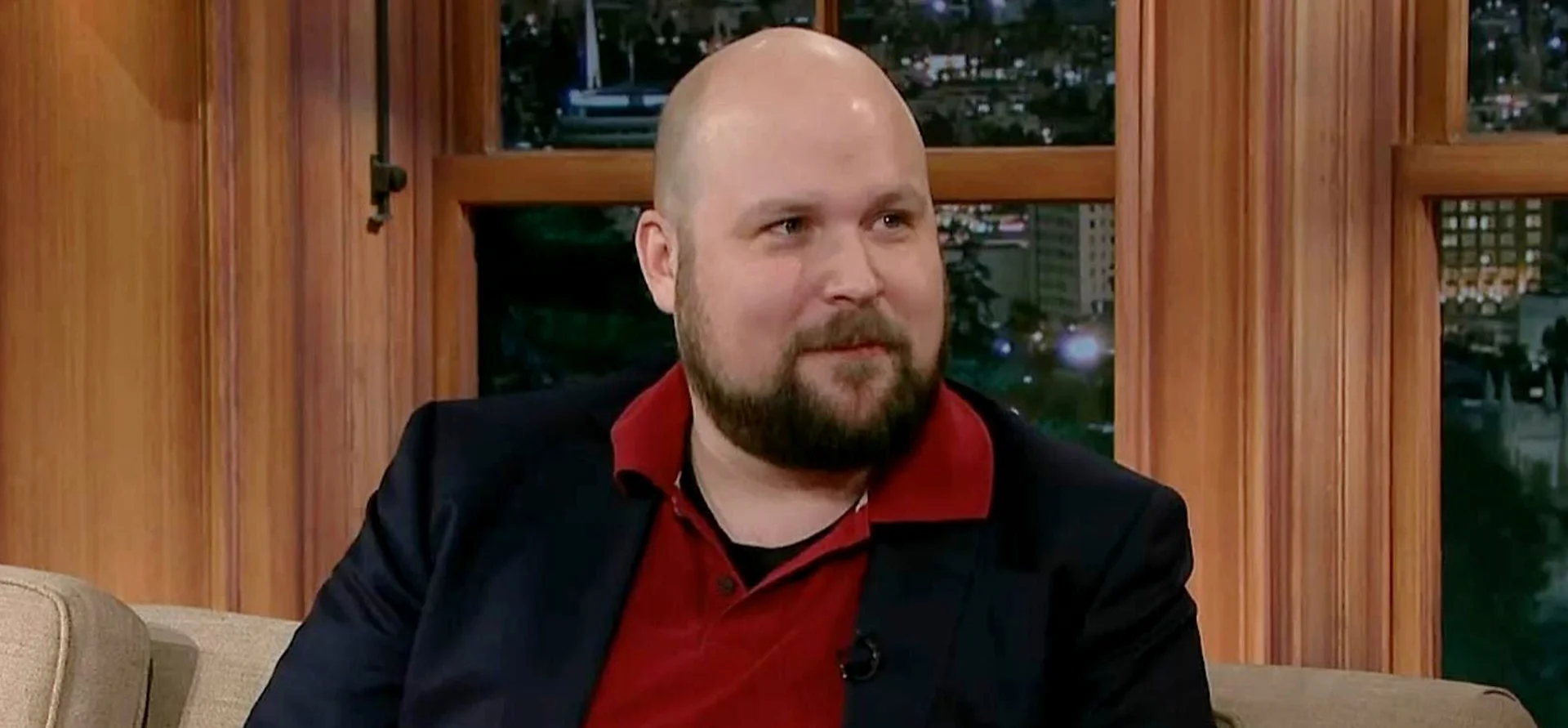
After stepping away from Minecraft, Persson explored several new projects. One was 0x10c, an ambitious space game that he ultimately shelved in 2013.
He also helped develop the concept for Scrolls, a strategy game that combined elements of board games and collectible card games. Porsér led its development, and the game was later renamed Caller’s Bane.
The Microsoft acquisition gave Persson considerable financial independence. However, he also spoke publicly about the challenges of finding direction after leaving Mojang and the expectations surrounding his next project.
In 2015, Persson and Porsér established another studio called Rubberbrain. The operation was relaunched as Bitshift Entertainment in 2024. Persson later discussed a dungeon-crawling project titled Levers and Chests.
In January 2025, he also raised the possibility of creating a spiritual successor to Minecraft. He subsequently indicated that the team would continue working on Levers and Chests.
Although none of these projects has matched the commercial scale of Minecraft, they demonstrate his continued interest in independent game development.
Personal Life
Persson married Elin Zetterstrand in 2011. The marriage ended in divorce in 2012. Following the sale of Mojang, he spoke publicly about loneliness and the difficulties of adjusting to sudden wealth and fame.
He has also supported charitable causes and organizations focused on digital rights. His reported donations include $250,000 to the Electronic Frontier Foundation. He has also supported Doctors Without Borders.
Despite his financial success, Persson’s life after Minecraft has attracted attention for reasons beyond game development. His public statements and social media activity have frequently drawn criticism.
Controversies Surrounding Markus Persson
Persson has faced criticism for social media comments about feminism, race, and LGBTQ people. His posts included calling feminism a social disease, promoting a heterosexual pride day, and making derogatory remarks about transgender people. He apologized for the heterosexual pride post.
In 2019, Mojang removed references to Persson from the rotating messages displayed on the Minecraft title screen. His name remained in the game’s credits.
Microsoft also excluded him from the game’s tenth-anniversary celebration. The company stated that his comments did not represent Microsoft, Mojang, or Minecraft.
The controversy affected his public relationship with the franchise, although the game continued to grow under Microsoft’s ownership.
Real Estate Investments
One of Persson’s most publicized purchases was a luxury mansion in Beverly Hills, California. In December 2014, shortly after selling Mojang, he paid $70 million for the property in the Trousdale Estates neighborhood.
The purchase reportedly set a Beverly Hills residential sales record at the time. Persson paid cash and completed the transaction within six days. The property had previously been listed for $85 million and was developed by real estate entrepreneur Bruce Makowsky.
The mansion occupies nearly an acre and features extensive glass walls overlooking Los Angeles and the Pacific Ocean. It has eight bedrooms, an infinity pool, an 18-seat theater, and underground vehicle storage accessed by a car elevator. Other features include a nightclub, a recording studio, and bathrooms fitted with expensive fixtures.
The estate was initially marketed as covering approximately 23,000 square feet. Reports surrounding its 2026 listing described it as measuring about 22,300 square feet.
Persson also added a recording studio and a nightclub with a DJ booth, bar, and dance floor. The property became a setting for private entertainment and music-related gatherings.
In October 2026, Persson listed the mansion for $70 million, the same price he paid in 2014. The listing was handled by Aaron Kirman of Christie’s International Real Estate Southern California and Branden Williams of the Beverly Hills Estates.
The asking price does not mean Persson would recover his full investment. Renovations, maintenance, taxes, selling expenses, and inflation affect the overall financial outcome. Even a sale at the asking price could leave him below his total cost of ownership.
Also Read: Tim Van Patten Net Worth

Email your news TIPS to Editor@Kahawatungu.com — this is our only official communication channel
