


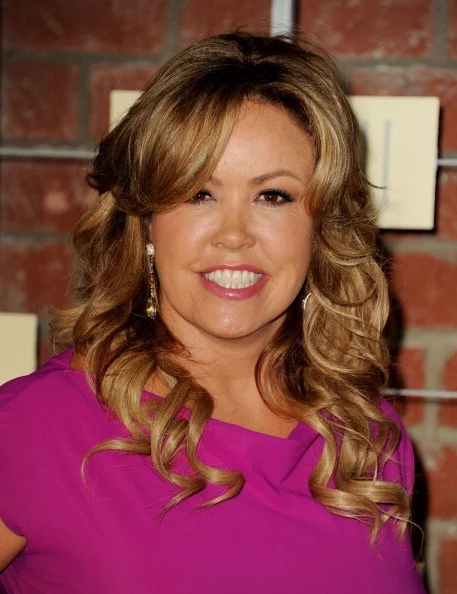
Mary Murphy has an estimated net worth of $10 million. She is an American ballroom dancer, choreographer, dance instructor, and television personality best known for judging the Fox reality competition series So You Think You Can Dance. Her career spans professional ballroom dancing, television, live stage performances, and dance education.
Murphy gained widespread recognition through her role on So You Think You Can Dance, where she evaluated contestants and helped identify emerging dance talent. Beyond television, she founded Champion Ballroom Academy in San Diego and became involved in organising the Hollywood Dancesport Championships in Los Angeles. She also performed in the Broadway ballroom dance production Burn the Floor between 2009 and 2010.
Her work across several areas of the dance industry has contributed to her estimated wealth. Although the exact breakdown of her income is not publicly established, her television career, dance studio, teaching activities, and professional engagements have formed important parts of her career.
| Mary Murphy Net Worth | $10 Million |
| Date of Birth | March 9, 1958 |
| Place of Birth | Lancaster, Ohio |
Early Life
Mary Murphy was born on March 9, 1958, in Lancaster, Ohio, into an Irish family. She developed her career in dance after completing her early education in the United States.
As a teenager, Murphy attended Northwest High School. She later enrolled at Ohio University, where she graduated with a degree in physical education.
Her educational background provided a foundation for her later work in dance instruction and training. Physical education is closely related to movement, body control, and physical development, all of which are important in professional dancing.
After graduating from university, Murphy decided to pursue a career in dance. Her early professional experiences helped her discover ballroom dancing and develop the skills that would later define her career.
How Mary Murphy Started Her Ballroom Dancing Career
After completing her studies, Murphy moved to Washington, D.C., to begin her professional career. She responded to a newspaper advertisement seeking studio instructor trainees and reportedly became an instructor within a week.
The studio owner later invited her to attend the United States Ballroom Championships in New York City. The experience influenced her decision to pursue ballroom dancing full-time.
Murphy subsequently moved to California, where she worked as an instructor while looking for a suitable dance partner. During a visit to the United Kingdom Open Championships in England, she met fellow dancer Manfred Stiglitz.
The two formed a partnership and began competing together. Their collaboration produced significant results. In 1990 and 1991, they won the Austrian National Championship.
These early victories helped establish Murphy’s reputation in competitive ballroom dancing. They also demonstrated her ability to compete at a high level while developing her career as an instructor.
Champion Ballroom Academy and Dance Education
In 1990, Murphy founded Champion Ballroom Academy in San Diego, California. The studio specialises in ballroom dancing and social dance instruction.
The academy became an important part of her professional career. Rather than focusing exclusively on competitions and performances, Murphy developed a business centred on teaching and helping other people improve their dancing skills.
Dance studios can serve different types of students, from beginners learning basic steps to experienced dancers preparing for competitions. They may also provide lessons for couples, social dancers, and individuals interested in improving their technique.
Murphy’s experience as a competitive dancer gave her practical knowledge to draw on as an instructor. Her work in dance education also helped her maintain a connection to the industry beyond her competitive years.
She later opened a studio in Los Angeles and began organising the Hollywood Dancesport Championships. These activities expanded her professional involvement in the ballroom dancing community.
Major Ballroom Dancing Championships
Mary Murphy enjoyed considerable success in competitive ballroom dancing during the 1990s. She competed with different partners and won titles at several major events.
Her achievements included victories at the Southwest Regional Dance Tournament, the Saint Louis Star Ball, and the International Grand Ball.
Murphy also reached the final of the U.S. Open Standard competition with partner Bill Milner within six months of beginning their partnership. This was a notable achievement in a competitive field that requires strong technique, timing, coordination, and consistency.
In 1996, she partnered with Jim Desmond. Together, they reached the final of the U.S. Open American Smooth competition and won the U.S. Open American Nine Dance.
These results strengthened her reputation as a skilled professional dancer. They also provided experience that later supported her work as a teacher, choreographer, and judge.
Murphy eventually retired from competitive dancing during the latter half of the 1990s. She then focused more heavily on her dance studio and other professional opportunities.
So You Think You Can Dance
Mary Murphy became widely known to television audiences in 2005, when she appeared as a guest judge and choreographer on So You Think You Can Dance.
The Fox competition features dancers from different backgrounds and dance disciplines. Contestants perform routines and compete for the support of viewers, while judges evaluate their technique, performance, and overall development.
Murphy returned as a guest judge and choreographer during the programme’s second season. In the third season, she became a permanent judge alongside Nigel Lythgoe.
Her energetic personality and direct judging style helped distinguish her from other television personalities. She was known for expressing strong enthusiasm when contestants delivered performances she considered exceptional.
Her television role also allowed her to draw on years of experience in professional ballroom dancing. She could assess dancers’ technique, musicality, coordination, and ability to perform under pressure.
International Versions of the Show
Murphy’s reputation extended beyond the American programme. In 2008, she made guest appearances on international versions of So You Think You Can Dance, including editions in Canada, Australia, and Scandinavia.
She returned as a permanent judge for the fourth American season and continued in that position during seasons five and six.
For season seven, she was replaced by choreographer Mia Michaels but later appeared as a guest judge. Murphy returned to the permanent judging panel in season eight, replacing Michaels.
She remained a regular judge through season eleven in 2014. She later returned for season fourteen in 2017 and continued appearing on the programme through season sixteen in 2019.
Her long association with the show became one of the defining features of her career. It also helped introduce ballroom dancing and other dance styles to audiences who might not otherwise follow professional competitions.
Burn the Floor and Broadway Performances
Murphy expanded her career into live theatre when she headlined the Broadway ballroom dance production Burn the Floor from late 2009 to early 2010.
She performed alongside dancer Vaidas Skimelis. The production featured energetic ballroom routines and performers associated with international dance competitions and television programmes, including So You Think You Can Dance and Strictly Come Dancing.
Murphy returned to the production during the latter half of 2010. She again partnered with Skimelis for performances in San Diego and San Jose.
The production gave her an opportunity to perform for live audiences while showcasing her ballroom dancing skills outside a competitive setting.
Stage performances also require dancers to combine technical ability with choreography, timing, stamina, and audience engagement. Murphy’s participation in Burn the Floor demonstrated her ability to work across television, competition, and live entertainment.
Although the precise financial contribution of these performances to her net worth is not publicly known, they formed another part of her professional career.
Personal Life
Mary Murphy has been married several times. Her first marriage ended in divorce after nine years. Accounts of the relationship have included allegations of domestic abuse. Her second and third marriages also ended in divorce.
Her third husband, Phillip Gott, remained an employee at Champion Ballroom Academy, according to the supplied biographical information.
Murphy has generally maintained a professional identity centred on her work in dance and television. Her career has continued to encompass instruction, competition organisation, choreography, and judging.
Thyroid Cancer Recovery
In 2011, it became public that Murphy had undergone treatment for thyroid cancer. She survived the illness, with her vocal cords intact, and was reported to be cancer-free.
The experience was a significant event in her personal life. Her recovery allowed her to continue her professional activities, including television work and her involvement in the dance industry.
Her career demonstrates that her professional contributions have extended beyond competitive performance. She has also worked to train dancers, evaluate talent, and promote ballroom dancing through television and organised events.
Also Read: Karina Smirnoff Net Worth

Email your news TIPS to Editor@Kahawatungu.com — this is our only official communication channel
