


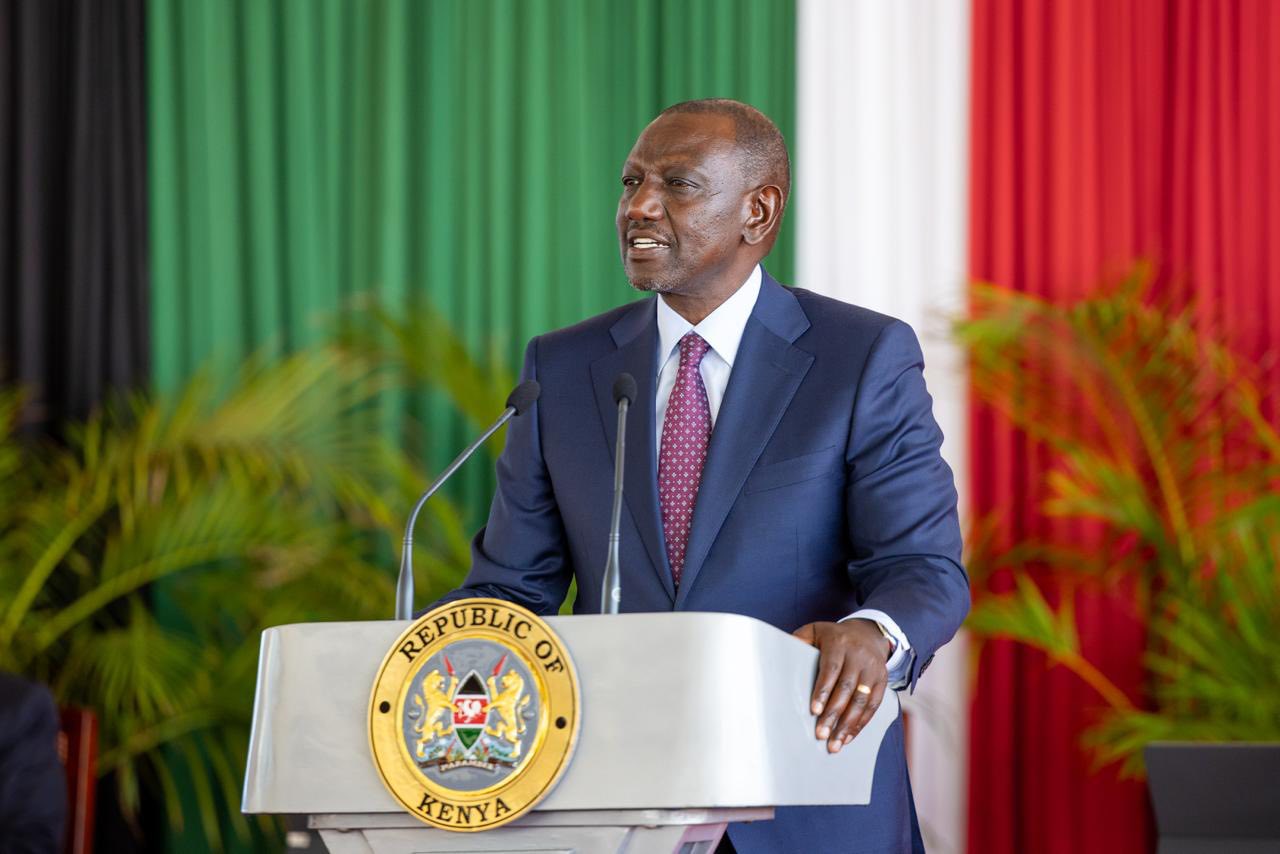
Deputy President Kithure Kindiki has said President William Ruto has directed an inter-ministerial engagement involving Cabinet Secretaries from the National Treasury, Energy, Transport and Interior to consult stakeholders and identify additional measures aimed at restoring normalcy in the transport sector following nationwide protests over fuel prices.
In a statement issued on Monday, May 18, 2026, Kindiki said the government has already implemented several interventions to cushion Kenyans from the impact of unprecedented global fuel price increases, which he attributed to the ongoing US–Israel–Iran conflict.
He noted that the situation has been worsened by the effective closure of the Strait of Hormuz, forcing shipping routes to lengthen while insurance costs for oil transport have surged to record levels.
“The Government has taken measures to mitigate against the unprecedented spike in global fuel prices occasioned by the US/Israel–Iran war,” he said.
Kindiki added that Kenya had already reduced Value Added Tax (VAT) on fuel from 16% to 8%, while Sh12 billion from the fuel stabilisation fund had been deployed to cushion consumers. Without such interventions, he said, fuel prices could have reached as high as Sh300 per litre.
The Deputy President, however, warned that while citizens have a constitutional right to demonstrate, criminal acts such as arson, obstruction of traffic, looting and robbery targeting motorists and members of the public would not be tolerated.
“While citizens have the freedom to demonstrate to show their displeasure with the prevailing situation, criminal acts of arson, obstruction of traffic, looting of property and robbery of motorists and other innocent members of the public cannot be tolerated and will be severely punished,” Kindiki said.
He urged the public to remain calm and allow government processes to address the crisis, noting that the current situation is driven largely by external global factors beyond Kenya’s control.
“The public is requested to exercise calm and patience as the Government contemplates additional measures to ensure that fuel prices do not rise to levels that will cause serious damage to the economy… cognizant that the present situation is caused by factors beyond the control of the Republic of Kenya,” he added.
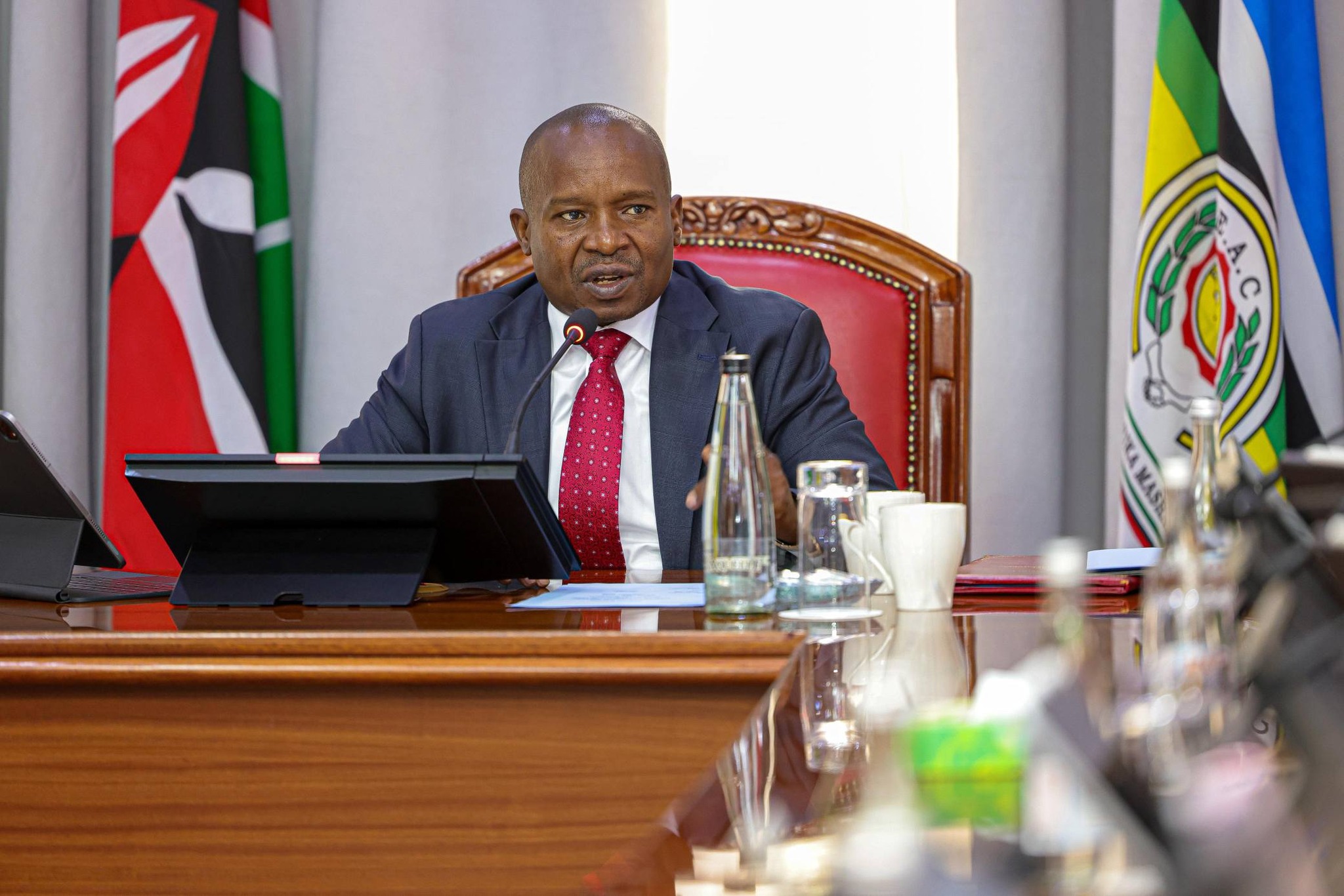
Meanwhile, at least two people have been confirmed dead during protests linked to the fuel price increases, according to police reports.
The fatalities were recorded in Gachie, Kiambu County, and Nakuru Town. Witnesses alleged that the Kiambu victim was shot, while the Nakuru casualty was hit by a speeding vehicle during running battles between protesters and police.
Police indicated that the death toll could rise to four after two other individuals were reported to have been shot and seriously injured in Gachie.
Authorities said officers had to respond after protesters blocked roads and allegedly harassed motorists. Property of unknown value was also damaged and looted in some areas, including Naivasha and Ruiru.
Anti-riot police were deployed across affected regions as demonstrations escalated, with commuters stranded and transport services disrupted nationwide.
Key roads in Nairobi remained largely deserted, forcing some commuters to walk to work, while businesses in parts of the city shut down and several schools advised students to stay at home.
The unrest follows a nationwide strike called by the Transport Sector Alliance (TSA), which directed public transport operators, truckers and motorists to stay off the roads in protest against recent fuel price hikes.
The group accused the government of failing to adequately shield citizens from rising fuel costs and called for a reduction of up to 35%.
The Energy and Petroleum Regulatory Authority (EPRA) had last week raised fuel prices to record levels, with petrol retailing at Sh214 per litre and diesel at Sh242 in Nairobi.
Treasury Cabinet Secretary John Mbadi dismissed the strike as unnecessary, arguing that global geopolitical tensions had driven up fuel prices.
“Why are we trying to solve a global problem using domestic means? We have not caused the US-Iran war,” Mbadi said.
He added that without government intervention, fuel prices would have been significantly higher, insisting that the ongoing protests were driven by emotion rather than economic reality.
Email your news TIPS to Editor@Kahawatungu.com — this is our only official communication channel
