


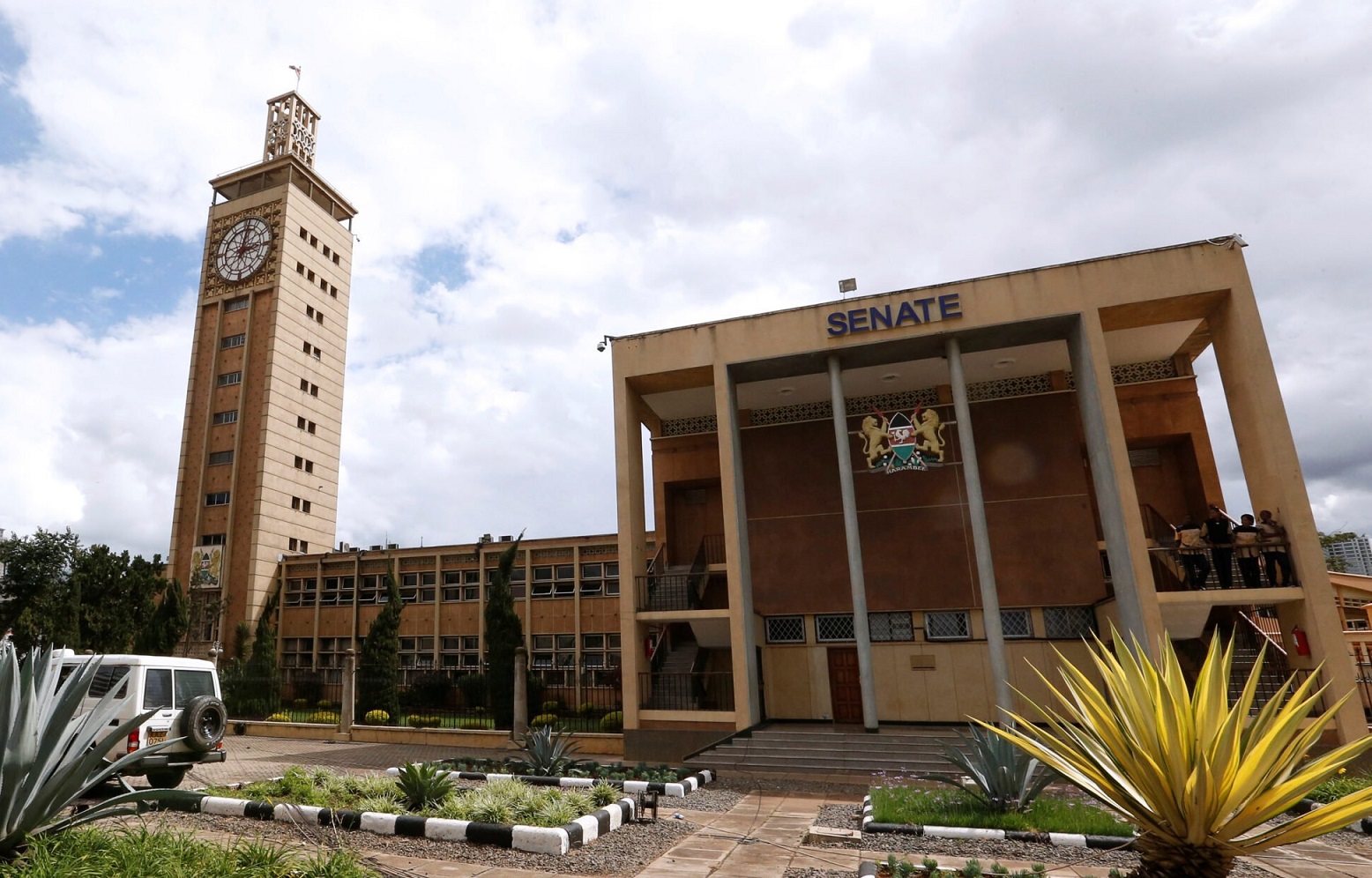
The Senate Standing Committee on Justice, Legal Affairs and Human Rights (JLAHRC) has considered two public petitions seeking electoral reforms, including the use of popular names on ballot papers and the introduction of a one-term limit for nominated Members of County Assemblies (MCAs).
The Committee first reviewed a petition by Mohamed U. Alasow seeking the reintroduction of the Elections (Amendment) Bill, 2021, which proposed allowing candidates to use their popular or commonly known names alongside their official names on ballot papers.
The petitioner argued that voters, particularly in rural and marginalised areas, are often more familiar with candidates’ popular names than their official names, a situation that could lead to confusion, misidentification and rejected ballots.
However, Committee Chairperson Senator Wakili Hillary Sigei said the current legal framework already provides sufficient mechanisms for individuals to regularise or change their names before seeking elective office.
“A decision to contest an election does not arise all of a sudden. Anyone who intends to vie and wishes to change or regularise their name has sufficient time and existing legal avenues under our laws to do so before nomination and election time,” Sigei said.
The Committee observed that similar proposals had been introduced during the 12th Parliament but lapsed before being enacted.
Members also noted concerns raised by stakeholders that permitting popular names on ballot papers could compromise ballot uniformity, increase printing costs and create confusion where candidates adopt temporary or politically motivated names.
The Committee also considered a second petition filed by Laban Omusundi and others seeking legislation to impose a one-term limit on nominated MCAs.
The petitioners argued that repeated nominations undermine the original purpose of affirmative action seats by turning them into avenues for political patronage.
Senator Daniel Maanzo opposed the proposal, saying political parties should retain the constitutional mandate to determine their nominees through party lists.
“Nominations should be left to political parties. A one-term limit may sound attractive, but it can create practical and constitutional difficulties, especially where parties are trying to balance representation for women, youth and persons with disabilities,” Maanzo said.
Senator Tom Ojienda also cautioned against imposing term limits solely on nominated MCAs while elected members remain unaffected.
“If the law limits only nominated MCAs while elected members face no equivalent restriction, then we must confront the question of equality and non-discrimination. Any reform should address nomination procedures through political parties rather than unfairly targeting one category of members,” Ojienda said.
The Committee is expected to prepare reports on both petitions after considering the views presented.
Members indicated that the existing legal framework is largely adequate and maintained that decisions on party nominations should remain within the constitutional and statutory mandate of political parties.
Email your news TIPS to Editor@Kahawatungu.com — this is our only official communication channel
