


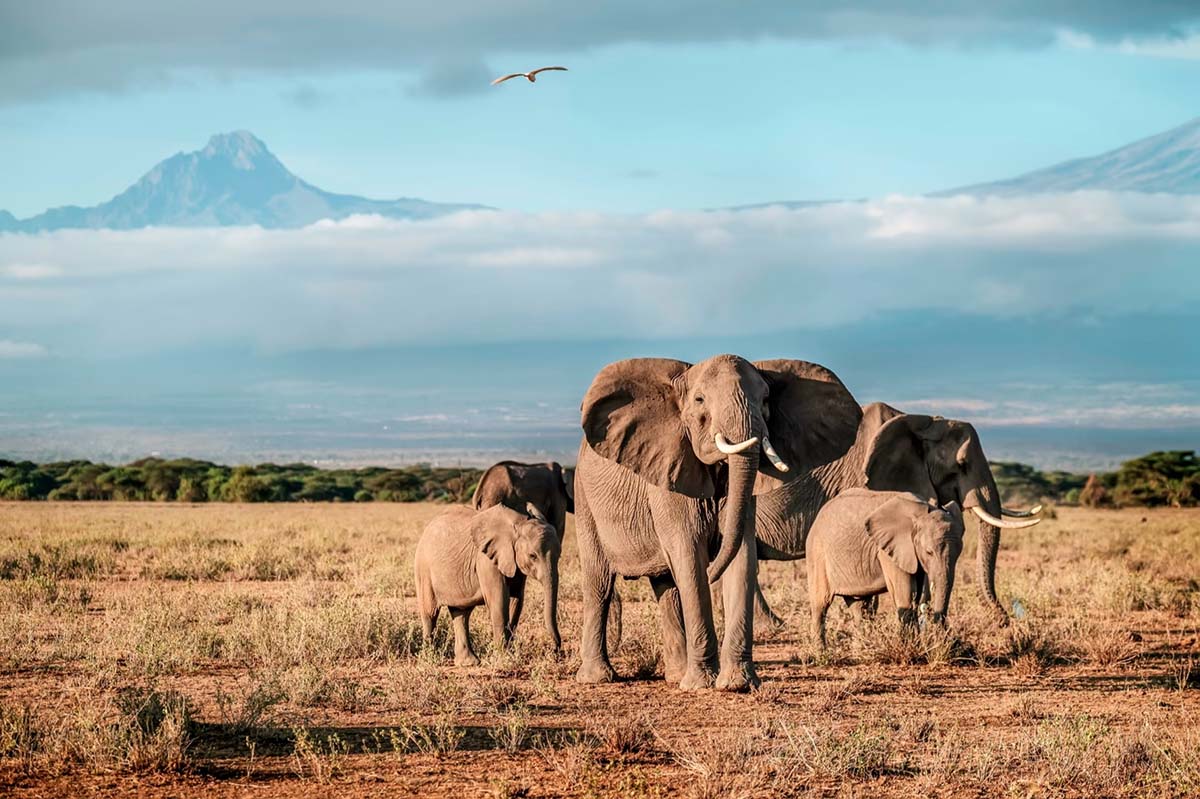
A herder was attacked and killed by a herd of elephants in a village in Kyuso, Kitui County.
The incident happened on July 26 in Mataka village, Kenya Wildlife Service and police said. Locals said four elephants were seen moving across the village when they attacked and trampled Ngei Kalungui, 61 who was looking after his cattle in his bushy parcel of land.
He died instantly. KWS officials in Mwingi were informed of the incident and rushed there in efforts to drive back the wild animals to the nearby park.
The body was moved to the mortuary pending autopsy and investigations. Such incidents of human-wild animals conflicts have been on the rise in the area and places near national parks.
Many wild animals stray from major parks to villages. KWS has mounted a campaign to address the menace, which include fencing the areas.
The government and conservation groups have a compensation program for people and herders whose livestock is killed by wild animals.
But herders have become more protective after losing livestock to a drought that has been termed as the worst in decades in the East Africa region.
Officials said loss of habitat and climate change threatened the number of wild animals the wild and that their future looked “bleak”.
The officials say policies aimed at enabling communities to co-exist with wildlife were vital.
KWS has mounted a campaign to address the menace, which includes fencing the areas.
The government and conservation groups have a compensation program for people and herders whose livestock are killed by wild animals.
Officials said the loss of habitat and climate change threatened the number of wild animals the wild and that their future looked “bleak”.
The officials say policies aimed at enabling communities to co-exist with wildlife were vital.
The government and conservation groups have a compensation program for people and herders whose livestock are killed by wild animals.
President William Ruto launched a compensation scheme for damages arising from human-wildlife conflict.
During the launch, Ruto said that in 2022, the compensation claims stood at Sh7 billion for the period 2014-2023.
The government has since paid Sh4 billion. He said the remaining Sh3 billion compensation claims will be paid.
He said the process of compensation will in future be made easier, saying unnecessary bureaucracy will be eliminated.
“We have also made changes, previously if someone got mauled to death by an elephant, compensation was Sh200,000. We have now said if a citizen is killed by an elephant compensation is Sh5 million,” Ruto added.
Ruto said that the government would compensate for injuries from wildlife attacks depending on the extent of harm inflicted by the animals up to a maximum of Sh4 million.
The Head of State pointed out that the partnership between the government, the private sector and communities is key in sustaining conservation efforts.
“We must involve the people in conservation because citizens being at the core of every plan ensures sustainability,” said Ruto.
Email your news TIPS to Editor@Kahawatungu.com — this is our only official communication channel
