


The government has spent nearly Sh4 billion to establish 588 Digital Hub sites across 274 constituencies as part of its drive to expand digital access and equip Kenyans with ICT skills.
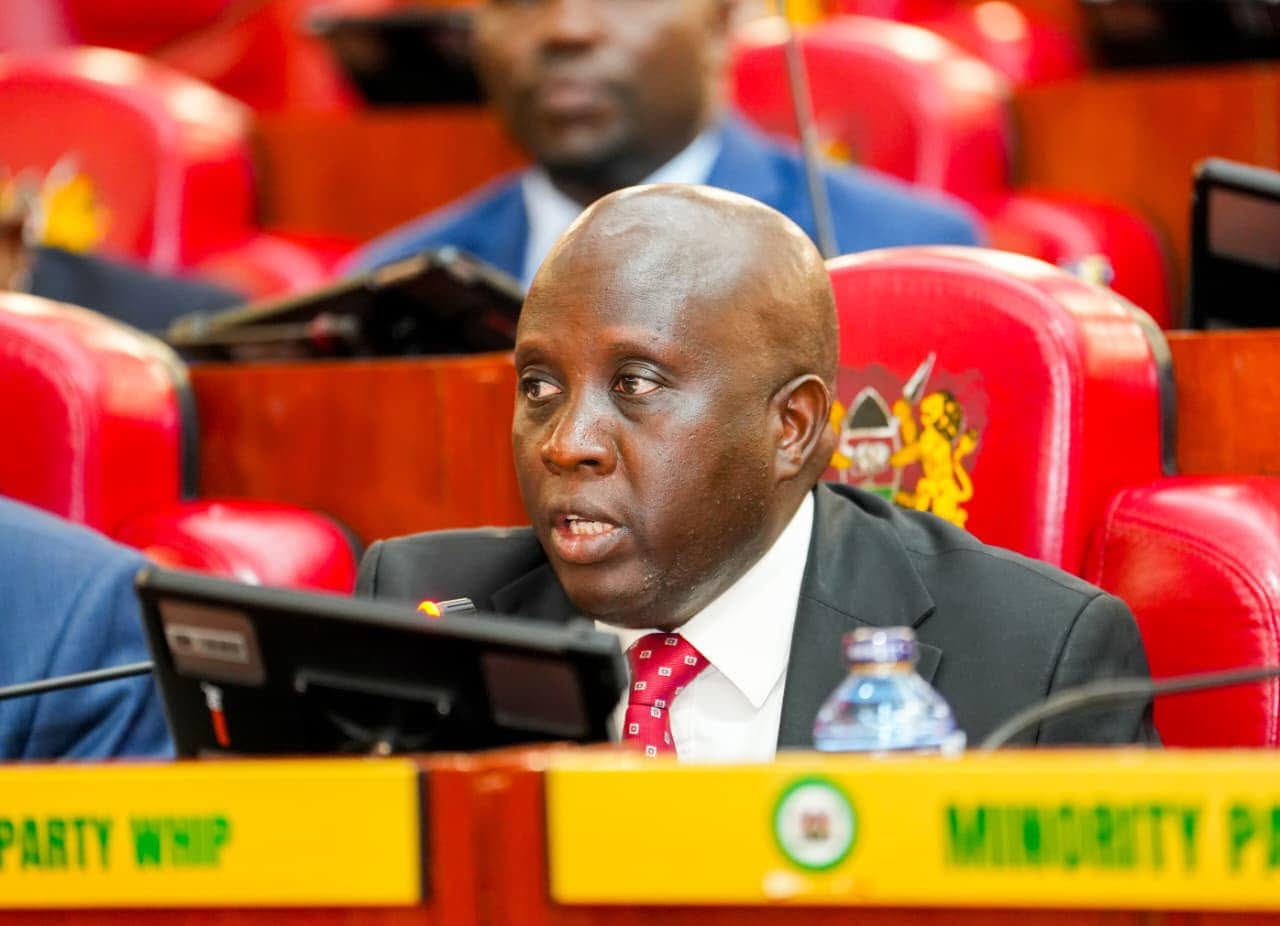
The National Assembly Committee on the National Government Constituencies Development Fund (NG-CDF), chaired by Eldama Ravine MP Musa Sirma, was briefed on the progress of the implementation and operationalisation of the Digital Hubs Programme.
Appearing before the committee, Principal Secretary for the State Department for ICT and the Digital Economy John Tanui said the 588 Digital Hub sites have been allocated across 274 constituencies at a cumulative cost of Sh3,903,978,508.
Tanui told MPs that 177 digital hubs have been completed, while 181 are under construction and another 233 have not yet commenced.
He said the ministry is gradually operationalising the completed hubs by providing ICT equipment, internet connectivity and ICT personnel.
“To date, 22,354 desktop computers have been deployed to TVETs and other public learning institutions to support digital skills training and improve access to digital services,” Tanui told the committee.
Committee Chairperson Musa Sirma, however, questioned the uneven distribution and operationalisation of the hubs across the country.
He sought an explanation for why some constituencies had fully equipped digital hubs while others had yet to receive computers, ICT assistants or internet connectivity.
“Why is it that some areas are well endowed while others are left behind? From the equipping of these hubs, some have never received these computer devices or ICT assistants and are not even connected to Wi-Fi,” Sirma asked.
In response, Tanui said the ministry supplies equipment based on the readiness of each site.
He explained that delays had been caused by the unavailability of fully assembled devices over the past year, leaving some completed hubs unequipped.
The PS, however, informed lawmakers that 10,000 desktop computers have since been assembled at Moi University and the Jomo Kenyatta University of Agriculture and Technology (JKUAT), with distribution to completed hubs already underway.
He said eight digital hubs have already received the equipment, adding that the ministry expects to complete deliveries to all ready sites by mid-September.
According to Tanui, each completed hub will receive 30 desktop computers, while the remaining 10,000 devices are expected to be fully assembled by October or November this year.
He added that another 20,000 computers are projected to be ready early next year as the government continues expanding the programme.
The PS further revealed that the State Department has developed an expansion and contingency strategy to support its target of establishing 1,450 Digital Hubs—one in every ward across the country.
Under the plan, the government intends to leverage existing public infrastructure, including Affordable Housing projects, Economic Stimulus Programme (ESP) markets, stadiums, Huduma Centres, Technical and Vocational Education and Training (TVET) institutions, and community hubs to accelerate the rollout of the digital centres.

Email your news TIPS to Editor@Kahawatungu.com — this is our only official communication channel
