


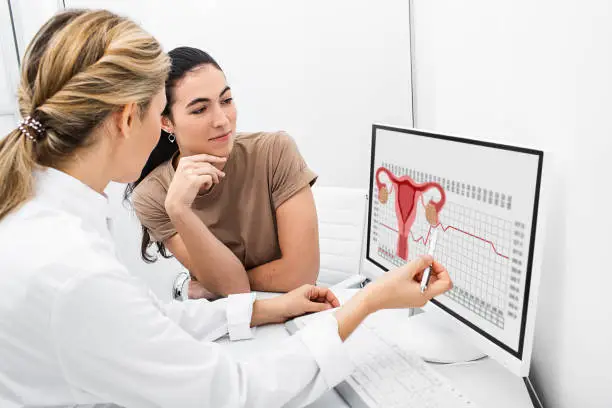
Fertility can be influenced by age, ovulation, overall health, lifestyle, medical conditions, and reproductive history. Learning how to improve fertility in women involves supporting healthy ovulation, maintaining a healthy weight, eating a balanced diet, avoiding smoking and excessive alcohol, managing health conditions, and understanding the menstrual cycle. While healthy habits can support reproductive health, they cannot overcome every cause of infertility, so medical evaluation may be important when pregnancy does not occur as expected.
-
Maintain a Healthy Weight
Being significantly underweight or overweight can interfere with normal ovulation and menstrual cycles. Maintaining a healthy weight can support hormonal and reproductive health.
If weight changes are needed, aim for gradual and sustainable changes rather than extreme dieting.
- Eat balanced meals
- Avoid crash diets
- Stay physically active
- Discuss significant weight concerns with a healthcare professional
-
Eat a Balanced Diet
Good nutrition supports overall health and provides nutrients needed for normal reproductive function. Include vegetables, fruits, whole grains, beans, lean proteins, nuts, seeds, fish, and healthy fats.
A varied diet is generally more useful than relying on individual foods marketed as fertility boosters.
- Eat a variety of vegetables and fruits
- Include protein-rich foods
- Choose whole grains
- Include healthy sources of fat
- Limit highly processed foods
-
Take Folic Acid Before Pregnancy
If you could become pregnant, taking 400 micrograms of folic acid daily is recommended to help prevent serious neural tube defects in early pregnancy. Ideally, begin at least one month before conception.
Folic acid supports healthy pregnancy preparation, although it should not be viewed as a treatment for infertility.
- Take 400 micrograms of folic acid daily
- Start before trying to conceive
- Include folate-rich foods such as leafy greens and beans
- Ask a healthcare professional if you need a different dose
-
Understand Your Menstrual Cycle
Knowing your menstrual cycle can help you identify when ovulation is likely to occur. The fertile window includes the days leading up to and around ovulation.
Cycle length can vary between women and from month to month, so tracking your periods can provide useful information.
- Record the first day of each period
- Monitor your usual cycle length
- Pay attention to changes in your cycle
- Consider ovulation-tracking methods when appropriate
-
Have Regular Sex During the Fertile Window
Having sex regularly during the fertile period can increase the opportunity for sperm and an egg to meet. You do not need to rely on a single specific day.
If you are trying to conceive, regular intercourse throughout the fertile window can be a practical approach.
- Track your likely fertile days
- Have sex regularly during this period
- Avoid excessive pressure around timing
- Seek advice if ovulation is difficult to identify
-
Avoid Smoking and Tobacco Products
Smoking can reduce female fertility and make it more difficult to become pregnant. Quitting before trying to conceive is an important part of preparing for pregnancy.
Avoiding secondhand smoke is also beneficial.
- Stop smoking
- Avoid secondhand smoke
- Seek professional help if quitting is difficult
- Avoid other nicotine products where possible
-
Avoid Alcohol When Trying to Conceive
Alcohol can affect pregnancy and is best avoided when trying to become pregnant. If you are planning pregnancy, avoiding alcohol is a safer approach.
- Avoid alcohol while trying to conceive
- Do not use alcohol as a way to manage stress
- Seek professional support if stopping is difficult
-
Exercise Regularly
Regular moderate physical activity supports cardiovascular health, weight management, and general well-being. It can be part of a healthy fertility-supporting lifestyle.
Avoid extreme exercise routines that contribute to very low body weight or absent menstrual periods.
- Walk regularly
- Include moderate aerobic exercise
- Add appropriate strength exercises
- Avoid excessive training
-
Get Enough Sleep and Manage Stress
Long-term stress and poor sleep can affect overall health and may contribute to menstrual problems in some women. Creating healthy sleep and stress-management habits can support general reproductive health.
- Maintain a regular sleep schedule
- Aim for adequate nighttime sleep
- Practise relaxation techniques
- Make time for enjoyable activities
- Seek help if stress becomes overwhelming
-
Manage Existing Health Conditions
Conditions such as diabetes, thyroid disorders, polycystic ovary syndrome, and other reproductive or hormonal problems can affect fertility. Proper diagnosis and treatment can help improve overall reproductive health.
Do not stop prescribed medicines without discussing them with your healthcare professional.
- Keep chronic conditions under control
- Attend recommended medical appointments
- Review medicines before pregnancy
- Report significant menstrual changes
-
Avoid Unproven Fertility Supplements
Many supplements and herbal products are marketed as natural fertility boosters. However, natural does not automatically mean safe or effective.
Some supplements can interact with medicines or may not be appropriate during pregnancy.
- Check supplements with a healthcare professional
- Avoid taking large doses of vitamins
- Be cautious with herbal fertility products
- Do not replace medical treatment with supplements
-
Protect Yourself From Infections
Some sexually transmitted infections can affect reproductive health if they are not diagnosed and treated. Practising safer sex and getting appropriate testing can help protect fertility.
- Practise safer sex
- Get tested when appropriate
- Complete prescribed treatment
- Discuss previous infections with your healthcare provider
-
Avoid Harmful Environmental Exposures
Certain chemicals and environmental contaminants can affect reproductive health. If you work with pesticides, solvents, heavy metals, or other potentially harmful substances, follow appropriate workplace safety measures.
- Use protective equipment
- Follow workplace safety instructions
- Avoid unnecessary chemical exposure
- Discuss significant occupational exposures with a healthcare professional
-
Consider Your Age When Planning Pregnancy
Female fertility naturally declines with age, largely because both the number and quality of eggs decrease over time. Fertility declines more noticeably as women get older, so age is an important consideration when planning pregnancy.
This does not mean pregnancy is impossible at an older age, but it may take longer to conceive and the risk of some pregnancy complications increases.
-
Know When to Seek Fertility Evaluation
Healthy lifestyle changes are useful, but persistent difficulty becoming pregnant may require medical evaluation. For women younger than 35 with regular cycles and no known fertility problems, evaluation is generally recommended after 12 months of trying without success. For women aged 35 or older, evaluation is generally recommended after six months. Earlier evaluation may be appropriate when there are irregular or absent periods, known reproductive conditions, previous pelvic problems, or other concerns.
A healthcare professional can assess ovulation, reproductive organs, medical history, and other factors that may affect conception.
Also Read: How to Improve Loading Speed of a Website

Email your news TIPS to Editor@Kahawatungu.com — this is our only official communication channel
