


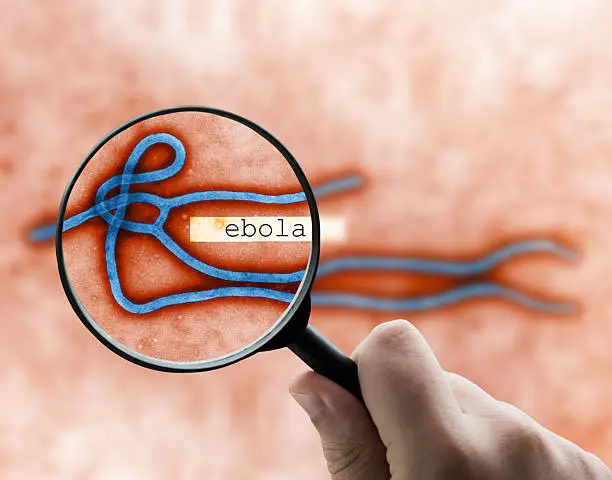
Ebola is a serious viral disease that requires early medical attention. Knowing the early signs of Ebola can help you seek care quickly, especially if you have recently been in close contact with someone who has Ebola or travelled to an area experiencing an outbreak. However, early Ebola symptoms can look like other illnesses, so symptoms alone cannot confirm an infection.
-
Understand the Incubation Period
Ebola symptoms can develop between 2 and 21 days after exposure to the virus. Many people who become sick develop symptoms within about 8 to 10 days.
If you have had a possible exposure, monitor your health carefully during this period.
-
Watch for Sudden Fever
A sudden fever is one of the common early signs of Ebola. It may occur together with weakness, tiredness or a general feeling of being unwell.
A fever by itself does not mean you have Ebola because many other infections can cause it.
-
Look Out for Severe Weakness and Fatigue
Unusual or severe tiredness can occur during the early stages of Ebola. You may feel significantly weaker than normal and find ordinary activities difficult.
Pay particular attention when fatigue occurs together with fever and a known exposure.
-
Pay Attention to Headaches
A severe headache can be another early symptom. It may occur alongside fever, muscle aches and general weakness.
Because headaches are common with many illnesses, they cannot be used alone to identify Ebola.
-
Watch for Muscle and Joint Pain
Ebola may cause muscle and joint pain, particularly when the illness begins suddenly.
If unexplained body aches occur after a possible exposure, contact a healthcare professional promptly.
-
Look for a Sore Throat
A sore throat may occur during the early stage of Ebola. It can appear together with fever, headache, fatigue and body aches.
These symptoms can resemble flu, malaria and other infections, making professional assessment important.
-
Watch for Loss of Appetite
Some people with Ebola may experience reduced appetite during the early stages of illness.
Loss of appetite becomes more concerning when it occurs together with fever, weakness and other symptoms after a possible exposure.
-
Watch for Vomiting and Diarrhoea
As Ebola progresses, gastrointestinal symptoms such as vomiting, diarrhoea and abdominal pain may develop.
These symptoms can cause significant fluid loss, making early medical care particularly important.
-
Do Not Wait for Bleeding
Many people associate Ebola with severe bleeding, but bleeding does not occur in every patient and may appear later in the illness.
Do not wait for bleeding before seeking medical attention if you have symptoms and a possible exposure.
-
Consider Your Exposure History
Symptoms are only part of assessing whether Ebola is possible. A recent history of close contact with an infected person’s blood or body fluids, contact with a deceased person who may have had Ebola, or certain exposure to infected animals can increase concern.
Tell healthcare workers about any possible exposure.
-
Remember That Symptoms Are Not Enough
Early Ebola can resemble malaria, typhoid, influenza and other infections. You cannot reliably determine that you have Ebola based only on how you feel.
Laboratory testing is needed to confirm an infection.
-
Seek Medical Care Immediately if You Suspect Ebola
If you develop compatible symptoms after a possible Ebola exposure, contact a healthcare facility or public health authority immediately.
Tell them about the possible exposure before arriving so they can provide appropriate instructions and prepare infection-control measures.
-
Avoid Close Contact With Others if You Are Sick
If Ebola is suspected, avoid unnecessary close contact with other people and do not handle another person’s blood or body fluids.
Follow instructions from healthcare and public health professionals while testing is arranged.
-
Do Not Self-Treat or Self-Diagnose
Do not assume that fever, headache or diarrhoea is Ebola, but do not dismiss these symptoms after a possible exposure either.
Avoid relying on home remedies or delaying medical assessment while waiting for symptoms to become severe.
-
Get Help as Early as Possible
Early medical care is important when Ebola is suspected. Healthcare professionals can assess your symptoms and exposure history, arrange appropriate testing and provide supportive treatment when necessary.
Also Read: How to Avoid Hiccups in Newborn
Email your news TIPS to Editor@Kahawatungu.com — this is our only official communication channel
