


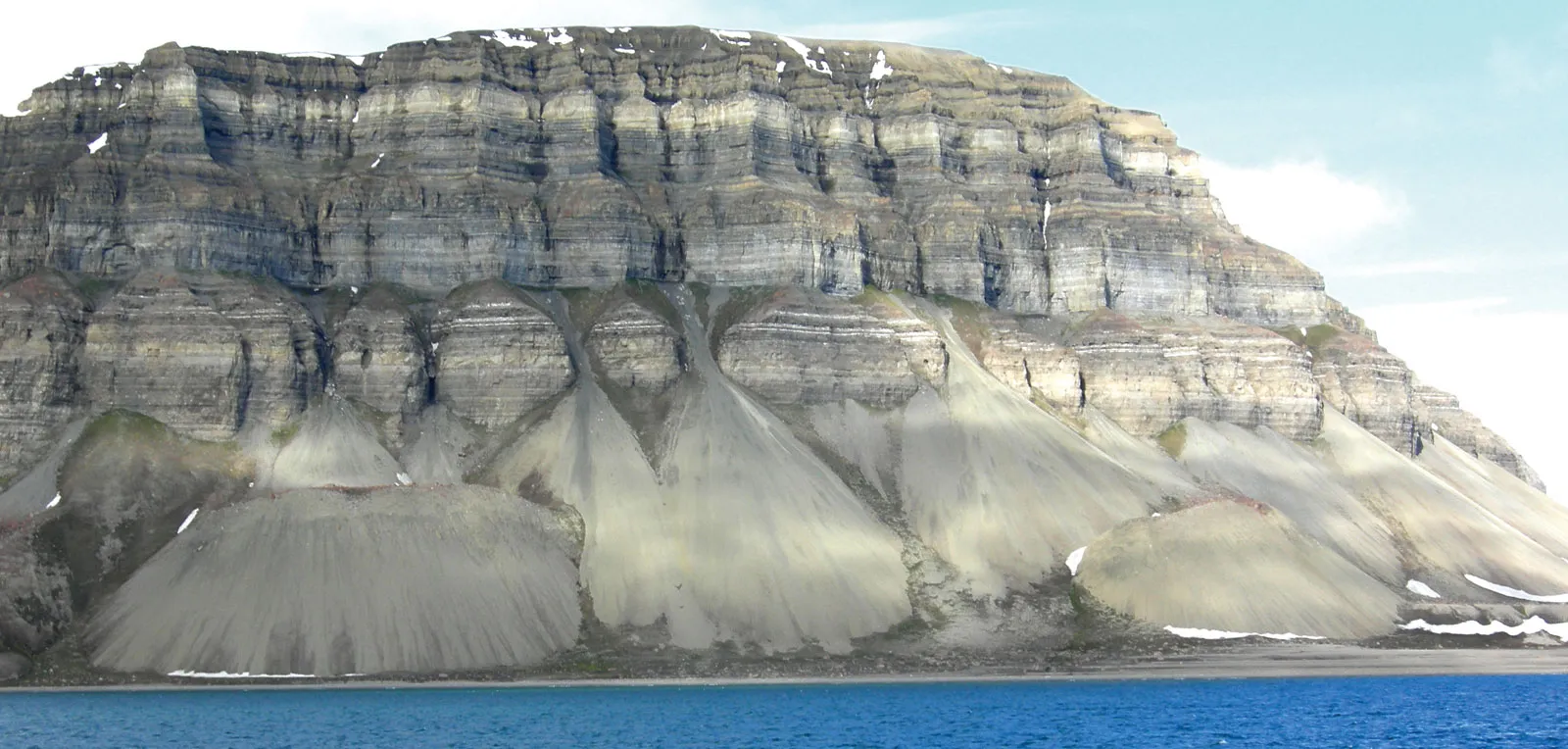
Mass movement, also known as mass wasting, refers to the downward movement of soil, rock, and debris due to gravity. It includes landslides, rockfalls, mudslides, and soil creep, often triggered by factors like heavy rainfall, earthquakes, deforestation, and human activities. Preventing mass movement is crucial for protecting lives, infrastructure, and the environment. Several methods can be used to reduce the risk and impact of these events. Here is how to prevent mass movement.
Improving Drainage Systems
Water is a major trigger for mass movement because it reduces soil stability and increases weight. Effective drainage systems can help prevent excessive water accumulation and soil saturation. Some common drainage solutions include:
- Surface drainage systems: Installing ditches, gutters, and channels to redirect rainwater away from slopes
- Subsurface drainage: Using perforated pipes and gravel layers to remove water trapped in the soil
- Slope grading: Shaping land to guide water away from vulnerable areas
Proper drainage management is essential in hilly and mountainous regions prone to landslides.
Vegetation and Reforestation
Plants and trees play a critical role in stabilizing soil and preventing erosion. Their roots bind soil particles together, reducing the likelihood of mass movement. Reforestation and maintaining natural vegetation help:
- Strengthen slopes by reinforcing soil structure
- Reduce surface runoff by absorbing rainwater
- Minimize erosion caused by wind and water
Planting deep-rooted trees and native vegetation in landslide-prone areas can significantly enhance soil stability.
Building Retaining Structures
Engineered structures provide physical support to slopes and help prevent sudden movements. Some commonly used retaining structures include:
- Retaining walls: Concrete or stone barriers built at the base of slopes to hold back soil and debris
- Terracing: Creating step-like platforms on steep slopes to slow down water flow and reduce soil displacement
- Gabions: Wire mesh cages filled with rocks that reinforce unstable slopes
These structures are often used in urban areas and along highways to protect roads and buildings from landslides.
Soil Reinforcement Techniques
In some cases, soil needs additional support to prevent mass movement. Reinforcement methods include:
- Geotextiles and mesh netting: Synthetic fabrics or wire mesh placed over slopes to stabilize loose soil and prevent rockfalls
- Soil nailing: Inserting long steel rods into slopes to improve their structural integrity
- Grouting: Injecting cement or chemical mixtures into the ground to bind loose soil and rock layers together
These techniques are commonly used in construction projects and high-risk landslide zones.
Reducing Human Impact
Human activities, such as deforestation, mining, and unplanned construction, can accelerate mass movement. Sustainable land use practices can help reduce risks by:
- Avoiding excessive excavation and land modification on steep slopes
- Following proper construction guidelines and building away from unstable areas
- Limiting deforestation and promoting responsible land management
Regulations and environmental assessments can help control risky developments in landslide-prone regions.
Monitoring and Early Warning Systems
Technology plays an essential role in predicting and preventing mass movement. Scientists and engineers use monitoring systems to detect early warning signs, such as:
- Ground movements and slope instability
- Changes in water levels and soil moisture
- Increased seismic activity in landslide-prone zones
Installing landslide sensors, using satellite imaging, and conducting regular geological surveys can help warn communities and authorities before a disaster occurs.
Also Read: How To Pray Istikhara

Email your news TIPS to Editor@Kahawatungu.com — this is our only official communication channel
