


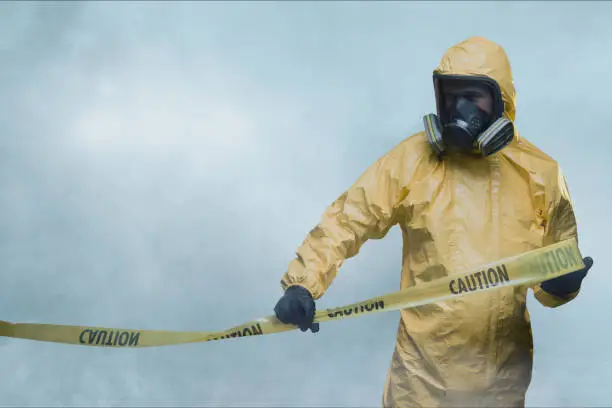
Ebola is a serious viral disease that can spread through direct contact with the blood or body fluids of an infected person or through contaminated materials. Knowing how to stay safe from Ebola is especially important during an outbreak or after possible exposure. Good hygiene, avoiding risky contact and following public health guidance can help reduce the risk of infection.
-
Avoid Direct Contact With Infected People
Avoid unnecessary physical contact with anyone who is suspected or confirmed to have Ebola. This includes touching the person, their blood or other body fluids.
People caring for an infected person should follow instructions from trained healthcare professionals.
-
Wash Your Hands Regularly
Regular handwashing is an important way to reduce the spread of infections. Wash your hands thoroughly with soap and clean water, especially after contact with people or potentially contaminated surfaces.
Use an appropriate alcohol-based hand sanitizer when soap and water are unavailable.
-
Do Not Touch Body Fluids
Ebola can spread through contact with body fluids such as blood, vomit, diarrhoea, saliva, urine and other secretions from an infected person.
Avoid touching these fluids with bare hands and seek professional help if you need to care for someone who may have Ebola.
-
Avoid Handling the Bodies of People Who Died From Ebola
People who die from Ebola can remain infectious. Family members and community members should not wash, prepare or touch the body.
Safe and dignified burials should be carried out by trained teams following appropriate infection-control procedures.
-
Be Careful Around Contaminated Items
Clothing, bedding, towels and other objects contaminated with body fluids can pose a risk.
Do not handle potentially contaminated items unnecessarily. Healthcare and public health teams should provide instructions for safe cleaning and disposal.
-
Avoid Contact With Dead or Sick Wild Animals
Ebola can be associated with exposure to infected wildlife. Avoid touching sick or dead wild animals, particularly bats and non-human primates.
Do not bring dead wildlife home or handle it without appropriate protective measures.
-
Cook Animal Products Thoroughly
During an Ebola outbreak, avoid consuming raw or undercooked animal products. Proper cooking can reduce the risk associated with contaminated animal products.
Follow local public health advice about meat and other animal products during an outbreak.
-
Follow Public Health Instructions
If Ebola cases are reported in your area, pay attention to information from your local health authorities.
Follow instructions about testing, contact tracing, vaccination, treatment centres and movement if you are identified as a contact.
-
Seek Medical Care After Possible Exposure
If you have had direct contact with someone who has suspected or confirmed Ebola, contact a healthcare facility or public health authority promptly.
Tell healthcare workers about the exposure before arriving so they can provide appropriate instructions and protect other people.
-
Monitor Yourself After an Exposure
People who have been exposed to Ebola may be monitored for symptoms for up to 21 days. Pay attention to symptoms such as fever, severe weakness, headache, muscle pain, sore throat, vomiting or diarrhoea.
Do not ignore symptoms after a known or suspected exposure.
-
Avoid Caring for a Sick Person Without Protection
If someone in your household becomes seriously ill and Ebola is suspected, avoid providing close physical care unless you have been given appropriate protective equipment and instructions.
Contact health authorities so the person can be assessed and safely managed.
-
Follow Vaccination Advice During an Outbreak
Vaccination may be used as part of an Ebola outbreak response for certain Ebola virus outbreaks. Eligibility depends on the virus involved and the public health response.
If health authorities offer vaccination to you because you are in an eligible group, follow their advice.
-
Avoid Unnecessary Physical Contact During an Outbreak
During an active outbreak, reduce unnecessary physical contact with people who may have been exposed or who are showing symptoms.
This is particularly important when there is a known outbreak in your community.
-
Do Not Rely on Home Remedies
There is no reliable home remedy that can prevent or cure Ebola. If you have symptoms after a possible exposure, seek professional medical assessment rather than relying on traditional remedies or delaying treatment.
Early supportive medical care can improve the chances of recovery.
-
Protect Yourself and Others
If you develop symptoms after possible exposure, avoid close physical contact with others and contact health authorities promptly.
Following professional instructions helps protect you, your family and the wider community.
Also Read: How to Avoid Hiccups in Newborn
Email your news TIPS to Editor@Kahawatungu.com — this is our only official communication channel
