


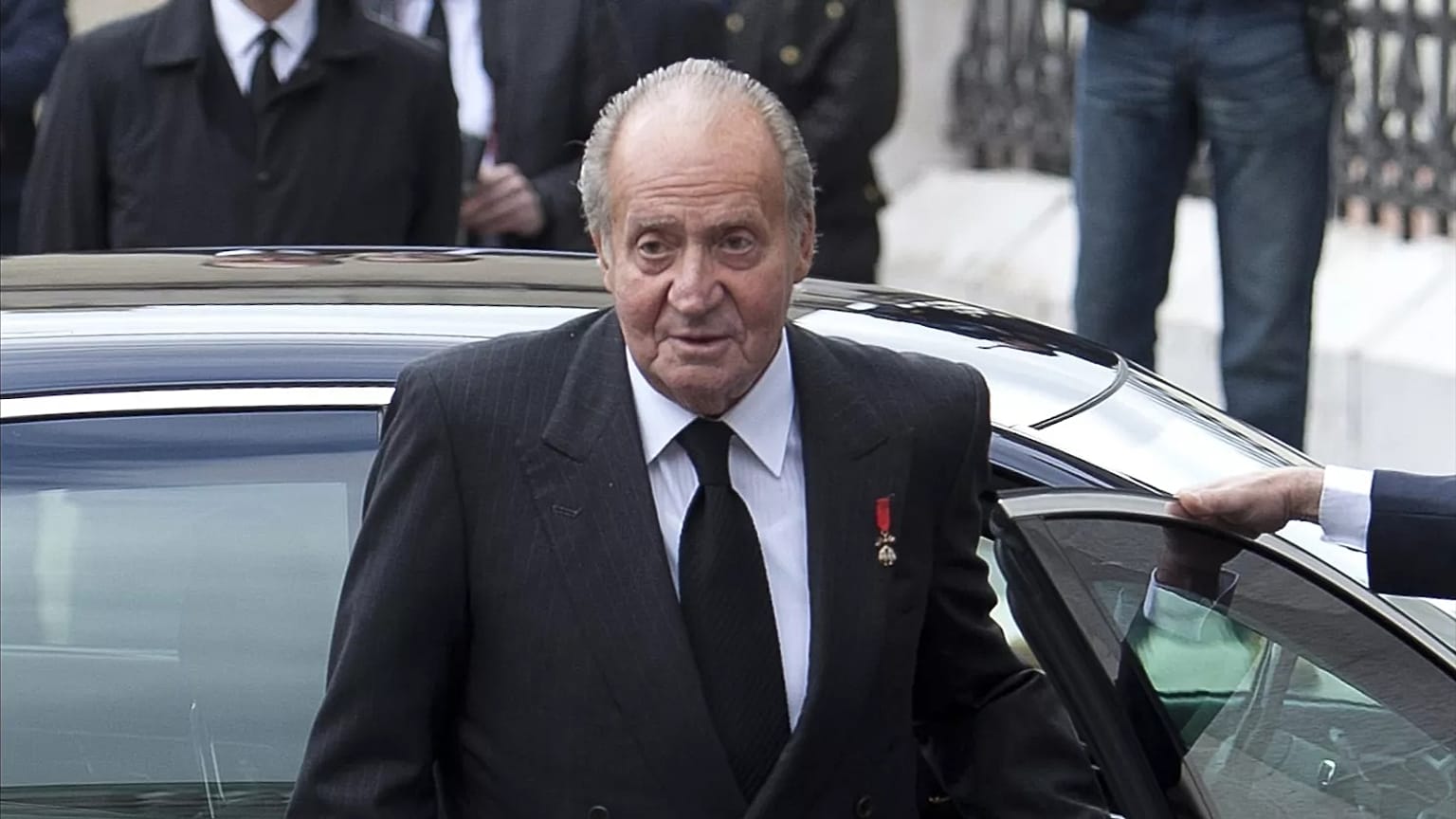
Juan Carlos I, born Juan Carlos Alfonso Víctor María de Borbón y Borbón-Dos Sicilias on 5 January 1938 in Rome, Italy, is the former King of Spain who reigned from 22 November 1975 until his abdication on 18 June 2014.
He is the son of Infante Juan, Count of Barcelona, and Princess María de las Mercedes of Bourbon-Two Sicilies, and the grandson of the last reigning king before the Second Republic, Alfonso XIII.
Designated by Francisco Franco as his successor, Juan Carlos became king two days after Franco’s death and played a central role in Spain’s transition from dictatorship to parliamentary democracy.
He is married to Queen Sofía, formerly Princess Sophia of Greece and Denmark, and they have three children: Infanta Elena, Infanta Cristina, and King Felipe VI.
After abdicating in favor of his son, he has lived largely outside Spain in recent years.
Siblings
Juan Carlos I has two surviving siblings and one who died young.
His elder sister is Infanta Pilar, Duchess of Badajoz, born on 30 July 1936 in Cannes, France, and deceased on 8 January 2020.
She married Luis Gómez-Acebo in 1967 and they had five children: Simoneta, Juan, Bruno, Beltrán, and Fernando.
Pilar renounced her succession rights upon marriage and maintained a relatively private life while remaining close to the royal family.
His younger sister is Infanta Margarita, Duchess of Soria and Hernani, born on 6 March 1939 in Rome.
She is blind from birth, married Carlos Zurita in 1972, and they have two children, Alfonso and María.
Also Read: Frederik X Siblings: Meet Prince Joachim
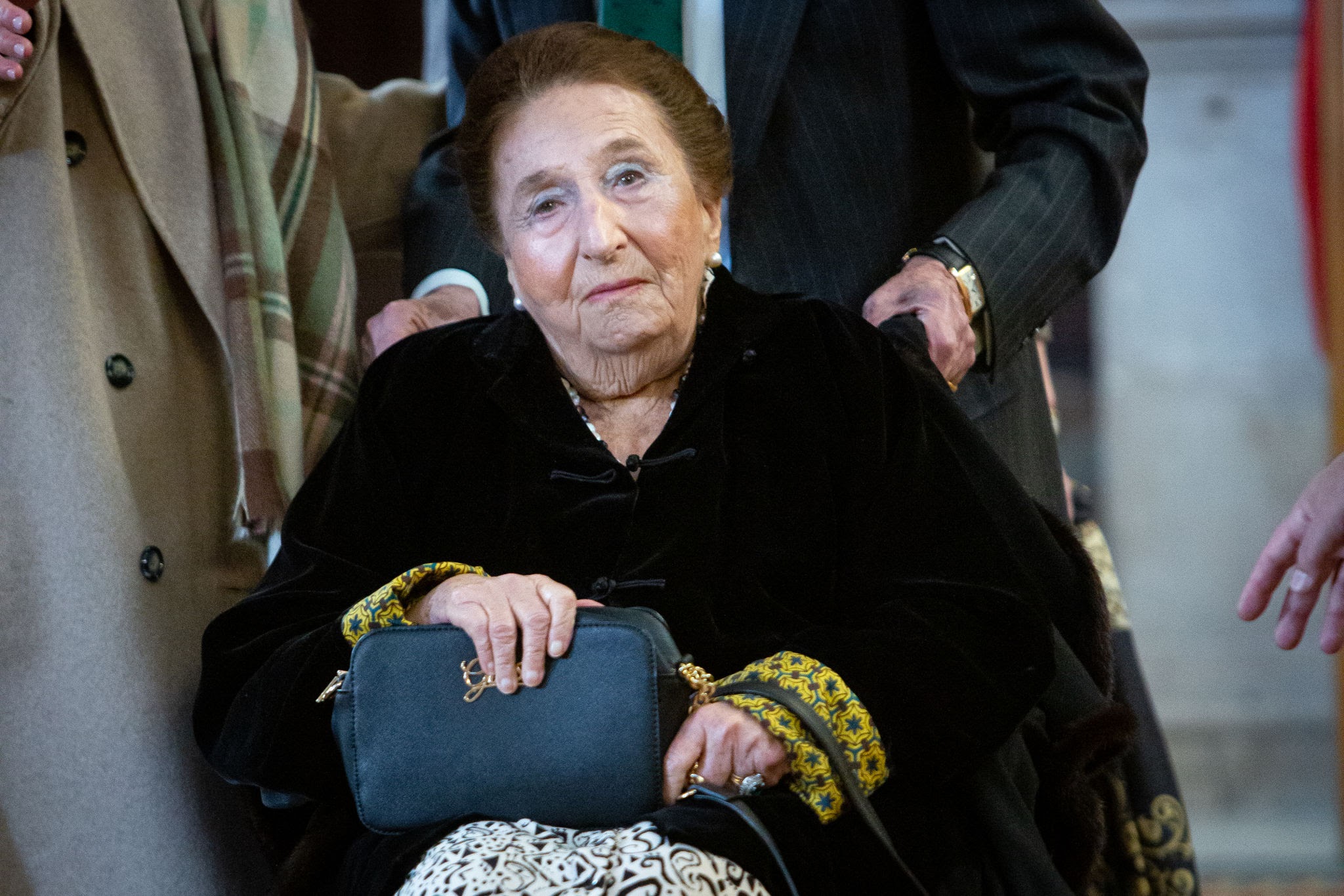
Margarita also renounced her succession rights at marriage and has focused on cultural and philanthropic activities.
Their younger brother, Infante Alfonso, born in 1941, died in 1956 at the age of fourteen in a shooting accident at the family home in Estoril, Portugal.
Career
Born in exile during the Second Spanish Republic and the subsequent Franco regime, Juan Carlos spent his early childhood in Italy and later in Switzerland and Portugal.
He returned to Spain for his education under arrangements between his father and Franco.
He completed secondary studies and then undertook military training at the General Military Academy in Zaragoza, the Naval Military School in Marín, and the General Air Academy in San Javier, becoming the first Spanish officer commissioned in all three branches of the armed forces.
He also studied at the University of Madrid.
In 1969 Franco designated him as his successor with the title Prince of Spain.
Upon Franco’s death in 1975, Juan Carlos was proclaimed king.
Rather than continuing the authoritarian system, he appointed reformist governments, supported free elections, and oversaw the drafting and approval of the 1978 Constitution that established a parliamentary monarchy.
He played a decisive public role in defending democracy during the failed military coup of 23 February 1981.
His reign also included Spain’s entry into NATO and the European Community, as well as extensive international diplomacy.
He abdicated in 2014 in favor of his son Felipe VI.
Accolades
During and after his reign, Juan Carlos I received numerous Spanish and foreign honors recognizing his role in Spain’s democratic transition and international relations.
These include the Charlemagne Prize in 1982 for contributions to European unity, the UNESCO International Simón Bolívar Prize in 1983, the Gold Olympic Order, the Freedom Medal of the Roosevelt Institute, and the World Statesman Award.
He was awarded the Russian Federation National Award for outstanding achievement in the humanitarian field and the Jean Monnet Award for his work on Spain’s European integration.

Email your news TIPS to Editor@Kahawatungu.com — this is our only official communication channel
