


Key players in Kenya’s justice and medical sectors have backed a proposed law seeking to strengthen investigations into suspicious, sudden and unexplained deaths.
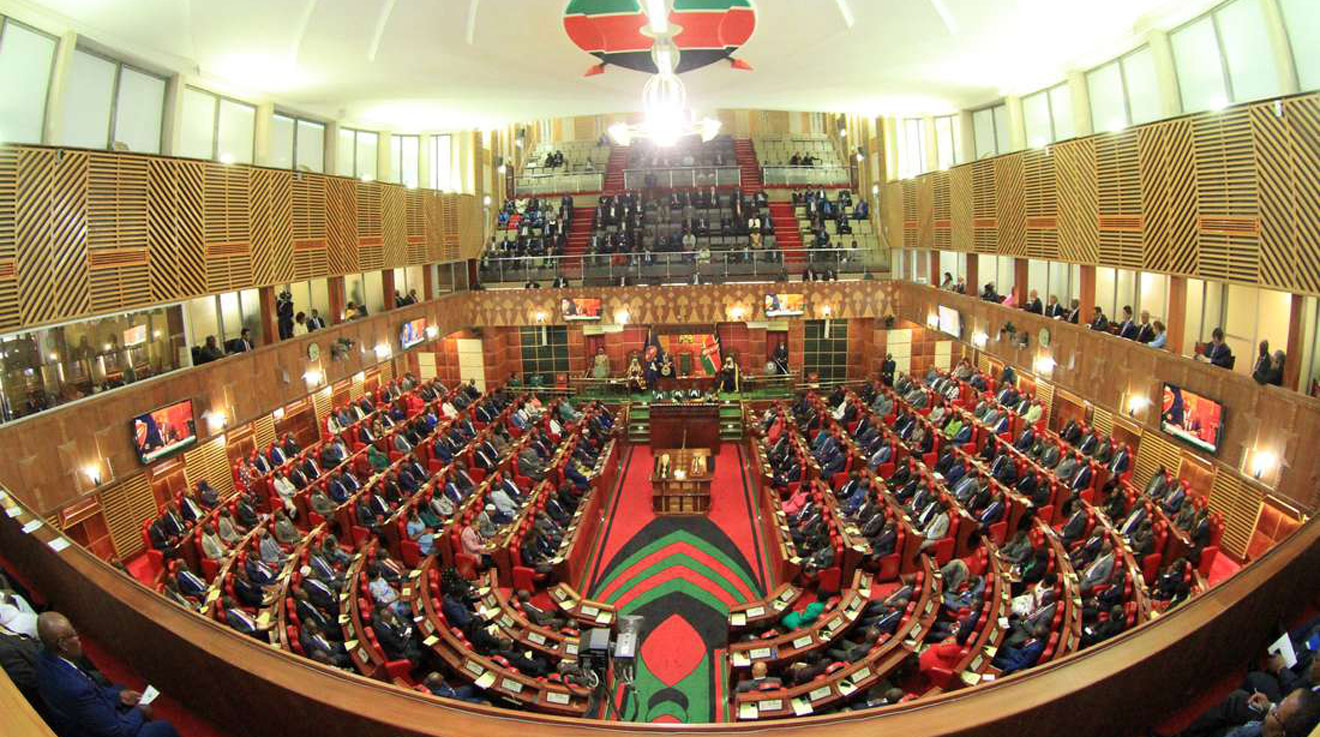
The stakeholders expressed support for the National Coroners Service Bill, 2026, during an engagement convened by the National Assembly Departmental Committee on Health to gather views on the proposed legislation.
The committee, chaired by Seme MP Dr James Nyikal, received submissions from public and private sector institutions on the Bill, which is sponsored by National Assembly Majority Leader and Kikuyu MP Kimani Ichung’wah.
The proposed law seeks to establish the National Coroners Service, provide a legal framework for postmortem investigations and regulate the transfer of deceased persons into and out of the country.
Principal Secretary for the State Department for Justice, Human Rights and Constitutional Affairs Judith Pareno described the Bill as a critical step towards operationalising the National Coroners Service.
“The proposed amendments will strengthen the capacity of the Service to effectively discharge its mandate and enhance access to justice in the investigation of reportable deaths,” she said.
Pareno noted that Chief Government Pathologist Dr Johansen Oduor currently performs many of the functions of a public coroner despite limited institutional support.
“One man cannot run around without a structure. The Chief Government Pathologist needs support. We need officers and offices across the country. We must create a well-structured institution that will serve the purpose for which it is intended,” she said.
Oduor also supported the proposed law but called for amendments to strengthen its implementation and improve the effectiveness of the proposed service.
He urged lawmakers to provide for operational independence, arguing that coronial investigations should be separate from police investigations, prosecution and judicial determination.
He also proposed clear criteria for determining reportable deaths to ensure investigations focus on priority cases without imposing unnecessary postmortem requirements.
Oduor further called for a formal partnership between the health and justice sectors, alongside a costed national implementation plan covering regional access, staffing, facilities and transition arrangements.
“The Bill provides a sound foundation for a national service. It defines reportable deaths, safeguards forensic evidence, ensures scrutiny of deaths in custody and makes statutory examinations a public responsibility,” he said.
The Kenya Medical Association (KMA) also backed the establishment of an independent National Coroners Service.
In its submission, the association said the proposed institution would strengthen the administration of justice, protect the rights and dignity of deceased persons and their families, improve institutional accountability and generate reliable mortality data to inform public health policy.
Consultant pathologist Dr Cynthia Chemonges, who presented the association’s submission, said Kenya needed a robust coronial system that recognises clinical realities and protects medical practitioners acting in good faith.
“A well-functioning National Coroners Service should not only establish why people die but must also generate actionable evidence that helps Kenya prevent avoidable deaths,” she said.
Chemonges added that linking forensic pathology with public health surveillance would help address maternal deaths, road traffic fatalities, occupational hazards and deaths in institutional care.
“Through this approach, the Service becomes a proactive safeguard for the living, rather than a reactive investigator of the dead,” she said.
The Ministry of Interior and National Administration and the Office of the Director of Public Prosecutions also supported the establishment of an effective legal framework to investigate suspicious deaths and operationalise the National Coroners Service.
Mortuary technicians and technologists equally backed the Bill but asked the committee to include provisions on their legal protection, representation and occupational biosafety guarantees.
Their proposals are among the issues the committee will consider as it reviews stakeholder submissions on the proposed legislation.

Email your news TIPS to Editor@Kahawatungu.com — this is our only official communication channel
