


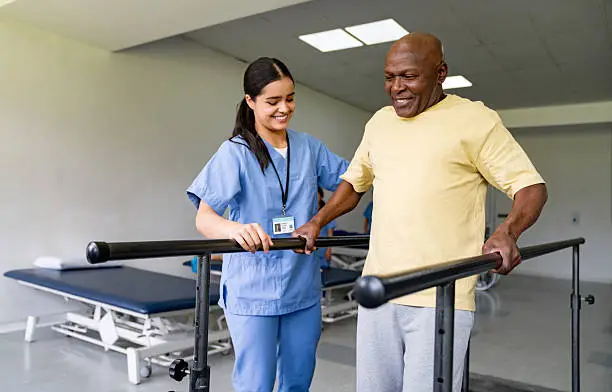
Physiotherapists help people improve their movement, manage pain, and recover from injuries, illnesses, and disabilities. They work with patients of all ages in hospitals, clinics, rehabilitation centres, sports facilities, and private practices. Becoming a physiotherapist requires formal education, practical clinical training, and professional registration. Learning how to become a physiotherapist can help you prepare for a rewarding career in healthcare.
-
Complete Your Secondary Education
Begin by obtaining a secondary school qualification or its equivalent with strong results in science subjects.
Good grades will improve your chances of being admitted to a physiotherapy programme.
- Complete secondary school or an equivalent qualification
- Focus on biology, chemistry, and mathematics where applicable
- Meet the entry requirements of your chosen institution
-
Earn a Physiotherapy Degree
Enroll in an accredited physiotherapy programme offered by a recognised university.
The programme combines classroom learning with practical clinical training in areas such as anatomy, rehabilitation, and exercise therapy.
- Complete all required coursework
- Study human anatomy and physiology
- Develop patient assessment and treatment skills
-
Complete Clinical Training
Clinical placements are an essential part of physiotherapy education.
During this period, you will work under supervision and gain experience treating patients with different physical conditions.
- Participate in supervised clinical placements
- Learn rehabilitation techniques
- Build practical patient care experience
-
Obtain Professional Registration
After completing your education, register with the appropriate healthcare regulatory authority in the country where you plan to practise.
Professional registration is required before you can work independently as a physiotherapist.
- Meet all licensing requirements
- Submit the required documentation
- Obtain your registration to practise
-
Gain Professional Experience
Many newly qualified physiotherapists begin their careers in hospitals, rehabilitation centres, sports clinics, or private practices.
Practical experience helps you improve your clinical skills and confidence.
- Work with experienced healthcare professionals
- Treat a variety of patients
- Continue developing your rehabilitation techniques
-
Continue Your Professional Development
Physiotherapy continues to evolve with new treatment methods and research.
Ongoing learning helps you provide high-quality care and advance your career.
- Attend professional development courses
- Stay informed about new rehabilitation techniques
- Consider specialising in a specific area of physiotherapy
Also Read: How to Become a Chiropractor
Email your news TIPS to Editor@Kahawatungu.com — this is our only official communication channel
