


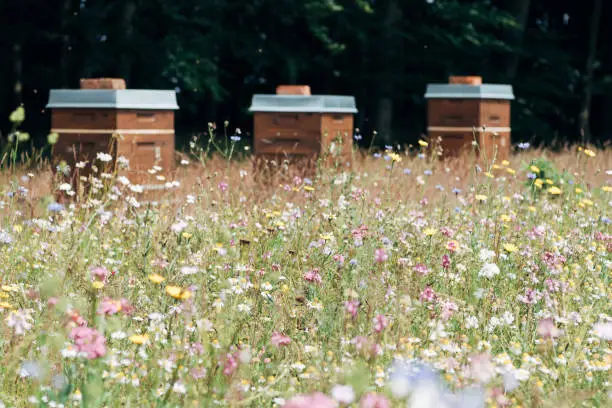
Attracting bees to a new hive is an important part of starting a successful beekeeping project. Whether you want to produce honey, support pollination, or establish a small apiary, providing a suitable hive and choosing the right location can increase your chances of attracting a colony. Learning how to attract bees to a new hive involves understanding bee behaviour, providing a safe environment, using suitable bait, and maintaining the hive properly. With patience and good preparation, you can encourage a swarm to settle in your hive naturally.
-
Choose the Right Hive Location
Bees prefer locations that provide shelter, access to food, and suitable conditions for establishing a colony.
- Place the hive in a quiet area away from heavy human activity.
- Choose a location with some morning sunlight and afternoon shade.
- Protect the hive from strong winds and flooding.
- Ensure the entrance is easy for bees to find.
-
Use a Clean and Suitable Hive
A well-prepared hive makes it easier for a swarm to settle and begin building comb.
- Use a hive designed for the local bee species.
- Ensure the hive is dry, clean, and structurally sound.
- Provide the correct frames or comb supports.
- Make sure the entrance is suitable for the bees you want to attract.
-
Use Old Beeswax or Comb as Bait
The scent of beeswax and previously used comb can make a hive more attractive to scouting bees.
- Rub a small amount of clean beeswax inside the hive.
- Use a small piece of clean, disease-free old comb if available.
- Avoid comb that may contain pests, mould, or infectious material.
- Do not use comb from an unknown source if its health status is uncertain.
-
Consider Using a Suitable Swarm Lure
Commercial swarm lures are designed to attract scout bees searching for a new nesting site.
- Choose a product intended for honeybee swarms.
- Follow the manufacturer’s instructions.
- Place the lure in the recommended position.
- Replace it as directed.
A lure may improve the hive’s attractiveness, but it cannot guarantee that a swarm will arrive.
-
Plant Flowers That Provide Nectar and Pollen
Bees are more likely to visit areas with reliable food sources. Flowering plants can support colonies once bees establish themselves nearby.
- Plant flowering herbs and suitable native plants.
- Consider flowering trees and shrubs that grow well in your area.
- Select plants that flower at different times of the year.
- Avoid applying pesticides to flowering plants visited by bees.
-
Provide a Safe Water Source
Honeybees need water for their colony’s activities, including cooling the hive.
- Place a shallow water container near the apiary.
- Add stones, corks, or floating pieces of wood so bees can land safely.
- Keep the water clean and refill it regularly.
- Position the water source away from areas where people gather.
-
Avoid Strong Chemicals and Disturbance
Bees may avoid a site that smells strongly of chemicals or experiences frequent disturbance.
- Keep fuel, paint, and strong cleaning chemicals away from the hive.
- Avoid repeatedly opening or moving an empty hive.
- Limit unnecessary noise and vibration.
- Keep livestock and curious visitors at a safe distance.
-
Place the Hive Near Suitable Bee Habitat
The availability of wild or managed honeybee colonies in the surrounding area affects the chances of attracting a swarm.
- Choose an area with flowering vegetation and suitable nesting habitat.
- Observe where bees regularly forage.
- Place the hive where it can be reached by bees without creating a hazard to people.
- Avoid placing hives near busy paths, schools, or entrances to homes.
-
Be Patient and Monitor the Hive
Attracting a swarm may take days, weeks, or longer, and a swarm may never arrive.
- Observe the entrance from a safe distance.
- Look for scout bees inspecting the hive.
- Watch for sustained traffic carrying pollen, which may indicate an established colony.
- Avoid disturbing the hive frequently.
-
Introduce a Colony When Natural Swarming Is Unreliable
If you need to establish a colony within a specific period, obtaining a healthy colony or nucleus colony from a reputable local beekeeper may be more reliable than waiting for a wild swarm.
- Buy from a trusted beekeeper.
- Confirm that the colony is healthy and appropriate for local conditions.
- Learn how to install and manage it correctly.
- Seek advice from a local beekeeping association or agricultural extension officer.
-
Protect the Hive From Pests and Weather
Once bees settle, maintaining a suitable environment helps them establish a healthy colony.
- Keep the hive raised above damp ground.
- Protect it from rain and excessive heat.
- Inspect for ants, wax moths, and other local pests.
- Follow appropriate hive-management practices without unnecessarily disturbing the colony.
-
Follow Safe Beekeeping Practices
Bees can sting when they feel threatened, and some people have severe allergic reactions to stings.
- Wear suitable protective clothing when inspecting occupied hives.
- Keep children and pets away from the apiary.
- Do not attempt to handle a wild swarm without appropriate training.
- Seek professional assistance if a swarm settles in a dangerous location.
Also Read: How to Become a Yoga Instructor

Email your news TIPS to Editor@Kahawatungu.com — this is our only official communication channel
