


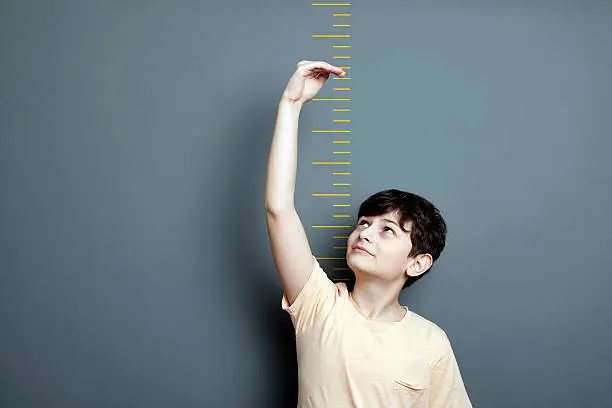
Learning how to read a height scale is important when measuring a person’s height accurately. Height scales are commonly found in hospitals, clinics, schools, and fitness centres. They help determine how tall someone is by measuring the distance from the floor to the top of the head. Although different height-measuring devices may have slightly different designs, the basic reading method is similar.
-
Understand the Parts of a Height Scale
A height scale, also known as a stadiometer, usually has the following parts:
- Vertical measuring rod: Displays the height measurements.
- Horizontal headpiece: Moves up and down to rest on the top of the person’s head.
- Measurement markings: Show height in centimetres, metres, or feet and inches.
- Base: Provides support and stability for the equipment.
Familiarising yourself with these parts makes it easier to take accurate measurements.
-
Position the Person Correctly
Before reading the height scale, ensure the person is standing in the correct position.
- Ask the person to remove their shoes.
- Ensure they stand upright on a flat surface.
- Keep their feet together or comfortably close.
- Position their heels against the back of the measuring board where applicable.
- Ask them to look straight ahead, keeping their head level.
- Ensure their knees are straight and their shoulders relaxed.
Correct positioning helps prevent inaccurate measurements.
-
Adjust the Headpiece
Once the person is correctly positioned, move the horizontal headpiece down until it rests firmly on the top of their head.
Make sure the headpiece is level and does not press down on the person’s head. The person should remain standing upright without stretching or bending.
-
Read the Measurement in Centimetres
Look at the measuring scale where the horizontal headpiece meets the vertical measuring rod.
Most clinical height scales display measurements in centimetres.
For example:
- 150 cm means 1.50 metres.
- 160 cm means 1.60 metres.
- 170 cm means 1.70 metres.
- 180 cm means 1.80 metres.
Read the exact marking indicated by the headpiece. If the scale has small divisions, check the numbering and intervals carefully.
-
Understand Feet and Inches
Some height scales display measurements in feet and inches instead of centimetres.
For example:
- 5 feet 0 inches = 152.4 cm.
- 5 feet 4 inches = 162.6 cm.
- 5 feet 6 inches = 167.6 cm.
- 6 feet 0 inches = 182.9 cm.
Remember that one foot contains 12 inches and one inch equals 2.54 centimetres.
-
Record the Height Correctly
After obtaining the measurement, record the person’s height using the correct unit.
For example, if the reading is 168 cm, document it as 168 cm or 1.68 m.
In a healthcare setting, ensure the measurement is entered in the correct patient record. If the reading appears unusual, repeat the measurement to confirm accuracy.
Also Read: How to Read a Guitar Tab

Email your news TIPS to Editor@Kahawatungu.com — this is our only official communication channel
