


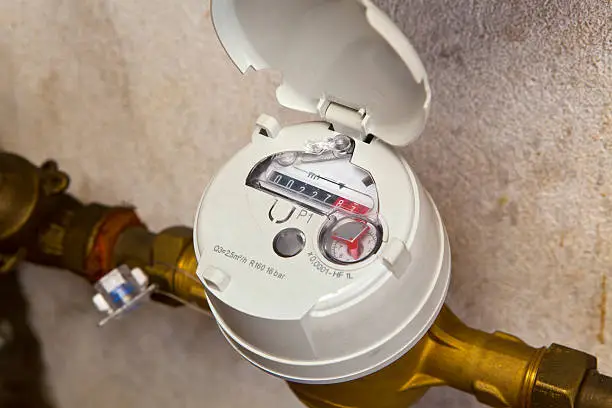
Learning how to read a water meter helps you monitor your household water consumption, estimate your water bill, and identify possible leaks. A water meter measures the amount of water passing through your supply pipe, usually in cubic metres or litres. Although different meters have different displays, most are easy to read once you understand the numbers, units, and indicators. By checking your meter regularly, you can manage water usage more effectively and detect unusual consumption before it becomes expensive.
-
Locate Your Water Meter
The first step is finding the meter that measures water entering your property. It is commonly installed near the main water supply pipe.
You may find it:
- Outside your house in a meter box near the boundary.
- Under a small cover in the compound or pavement.
- Near the main water inlet in some buildings.
If you live in an apartment, your meter may be in a shared meter room or another designated area. Ask the caretaker or water provider if you cannot locate it.
-
Identify the Type of Water Meter
Water meters generally have either a mechanical display or a digital display.
A mechanical meter has a row of numbers, sometimes accompanied by coloured digits, a rotating dial, or a small leak indicator. A digital meter displays the reading electronically, often on an LCD screen.
Check the unit printed on the meter. Many household meters measure water in cubic metres (m³), while some show litres or other units.
-
Read the Numbers on the Meter
For a typical mechanical meter displaying cubic metres, the black digits usually represent whole cubic metres, while red digits or decimal markings often represent fractions of a cubic metre.
For example, if the display reads 00125.678 m³, the reading is 125.678 cubic metres. If your water provider requests only whole cubic metres, you may need to report 125, depending on its instructions.
One cubic metre equals 1,000 litres. Therefore, a consumption of 2 cubic metres represents 2,000 litres of water.
Always check the meter’s markings because display formats differ between models.
-
Calculate Your Water Consumption
To calculate how much water you have used, compare your current meter reading with your previous reading.
Use this formula:
Water consumed = Current reading − Previous reading
For example:
- Previous reading: 125 m³
- Current reading: 132 m³
- Water consumed: 7 m³
This means you have used 7,000 litres of water since the previous reading.
Your water bill may also include fixed charges, sewerage fees, taxes, or other charges, depending on your provider.
-
Check for Water Leaks
Your water meter can help you identify a possible leak in your plumbing system.
- Turn off taps, showers, washing machines, and other water-using appliances.
- Make sure no one is using water during the test.
- Observe the meter’s small dial, indicator, or digital reading.
- If the meter continues registering water use, there may be a leak.
Check toilets, outdoor taps, pipes, and storage tanks for signs of leakage. If the meter continues moving and you cannot find the cause, contact a qualified plumber or your water provider.
-
Record Your Readings Regularly
Checking your meter weekly or monthly helps you understand your normal water consumption.
Write down the date and reading each time you check it. Compare the figures over time to identify increases in usage or possible leaks.
If you suspect an incorrect bill, take a clear photograph of the meter reading and compare it with the reading shown on your water bill. Contact your water provider if the figures do not match.
Also Read: How to Give Access to a Word Document on Teams

Email your news TIPS to Editor@Kahawatungu.com — this is our only official communication channel
