


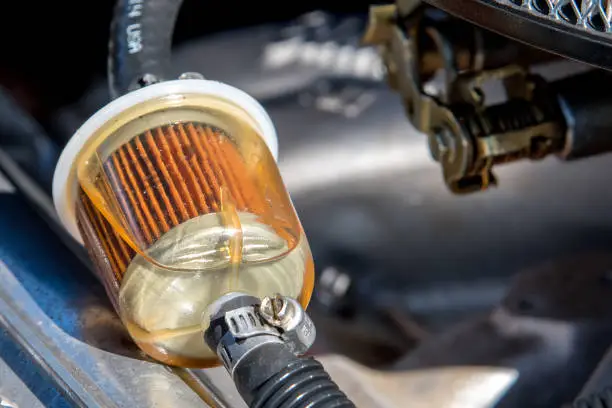
Knowing how to change a fuel filter is an important vehicle maintenance skill that helps keep your engine running efficiently. The fuel filter removes dirt, rust, and other contaminants from the fuel before it reaches the engine. Over time, the filter can become clogged, reducing fuel flow and affecting engine performance. Replacing the fuel filter at the recommended service intervals can improve fuel efficiency, engine reliability, and overall vehicle performance.
-
Prepare the Vehicle and Gather the Tools
Before replacing the fuel filter, park your vehicle on a flat surface and switch off the engine.
Allow the engine to cool completely and gather the tools you will need, including a replacement fuel filter, spanners, safety gloves, and protective eyewear.
- Park on level ground
- Switch off the engine
- Gather the required tools
-
Relieve the Fuel System Pressure
Fuel systems are often pressurised, so it is important to release the pressure before removing the filter.
Follow your vehicle manufacturer’s recommended procedure to safely relieve the fuel pressure before disconnecting the fuel lines.
- Relieve fuel pressure
- Wear protective gloves
- Avoid open flames or sparks
-
Remove the Old Fuel Filter
Locate the fuel filter, which is commonly found along the fuel line underneath the vehicle or inside the engine compartment.
Disconnect the fuel lines carefully and remove the mounting clips or brackets holding the filter in place.
Take note of the direction of fuel flow marked on the filter.
- Locate the fuel filter
- Disconnect the fuel lines
- Remove the old filter carefully
-
Install the New Fuel Filter
Position the new fuel filter in the same direction as the old one, ensuring the fuel flow arrow points toward the engine.
Reconnect the fuel lines securely and reinstall any clips or brackets that hold the filter in place.
- Install the new filter correctly
- Secure the fuel lines
- Tighten all fittings properly
-
Test the Vehicle
Once the new filter has been installed, switch the ignition on for a few seconds to allow the fuel system to build pressure.
Start the engine and inspect the fuel filter area for any leaks.
If everything is secure and the engine runs smoothly, the replacement has been completed successfully.
- Prime the fuel system
- Start the engine
- Check carefully for fuel leaks
Also Read: How to Cancel an IFA Debit Order
Email your news TIPS to Editor@Kahawatungu.com — this is our only official communication channel
