


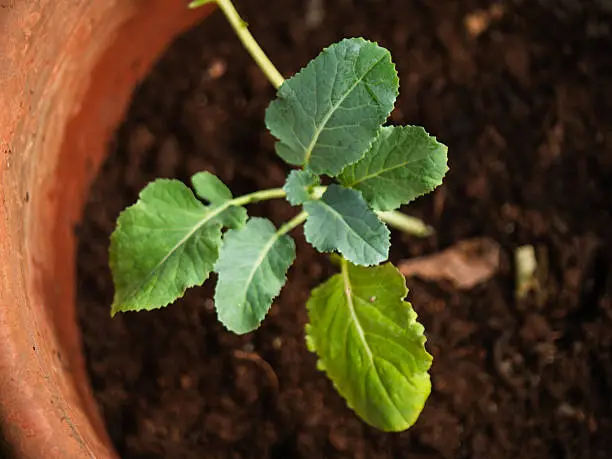
Growing vegetables in sacks is an affordable and practical way to produce fresh food at home, especially when you have limited space. Whether you live in an urban area, have a small backyard, or want to start a kitchen garden, sack gardening allows you to grow vegetables without needing a large piece of land. Learning how to grow vegetables in sacks can help you save money, use available resources efficiently, and enjoy fresh produce for your family. With suitable sacks, fertile soil, adequate water, and proper care, you can establish a productive garden at home.
-
Choose the Right Sacks
Start by selecting strong sacks that can hold soil and allow excess water to drain. Woven polypropylene sacks or clean, untreated burlap sacks can work well.
- Choose sacks that are large enough for the vegetables you want to grow.
- Avoid sacks that previously contained chemicals or other harmful substances.
- Ensure the material is strong enough to support wet soil.
- Make drainage holes at the bottom and lower sides if necessary.
-
Prepare a Suitable Growing Mixture
Vegetables need fertile, well-drained soil to grow healthy roots and produce good yields. Avoid using heavy clay soil alone because it can become compacted and retain too much water.
- Mix garden soil with mature compost or well-rotted manure.
- Add some coarse material, such as clean sand, if the mixture needs better drainage.
- Remove stones, plastic pieces, and large roots.
- Fill the sacks with the prepared mixture, leaving a few centimetres of space at the top.
-
Select Vegetables Suitable for Sack Gardening
Choose vegetables that grow well in containers and match your local climate. In Kenya, common options include leafy greens and several compact vegetables.
- Sukuma wiki and spinach.
- Amaranth and other suitable leafy vegetables.
- Coriander and spring onions.
- Lettuce and radishes.
- Tomatoes, peppers, and chillies in sufficiently large sacks.
Choose varieties suited to your growing conditions and available sunlight.
-
Plant the Seeds or Seedlings
Planting correctly helps vegetables establish strong roots and grow evenly. Follow the seed packet instructions for planting depth and spacing.
- Sow seeds at the recommended depth.
- Water gently after planting.
- Thin overcrowded seedlings once they develop.
- Transplant healthy seedlings carefully to avoid damaging their roots.
- Avoid overcrowding the sack because plants compete for nutrients, water, and sunlight.
-
Place the Sacks in a Suitable Location
Most vegetables need adequate sunlight to grow well. Choose a location that provides the light required by your selected crops.
- Place sacks where they receive sufficient sunlight.
- Keep them away from areas where rainwater collects.
- Ensure the location has easy access to water.
- Arrange the sacks so you can reach each plant for watering, harvesting, and pest inspection.
-
Water the Vegetables Regularly
Sack gardens can dry out faster than ordinary garden beds, especially during hot or windy weather. Regular watering helps maintain healthy growth.
- Check the soil moisture daily.
- Water when the upper layer begins to dry.
- Apply water slowly until the growing mixture is evenly moist.
- Avoid waterlogging because it can cause root rot.
- Water early in the morning or later in the afternoon when practical.
-
Add Nutrients as the Plants Grow
Vegetables need nutrients to produce healthy leaves, flowers, and fruits. Compost and suitable fertilisers can help maintain soil fertility.
- Mix mature compost into the growing medium before planting.
- Apply additional compost or an appropriate fertiliser when needed.
- Follow fertiliser instructions carefully.
- Avoid applying excessive fertiliser, which can damage plants or encourage excessive leaf growth.
-
Control Pests and Diseases
Regular inspection helps you identify problems before they spread throughout your sack garden.
- Check leaves for insects, holes, and discolouration.
- Remove badly affected leaves when appropriate.
- Keep the garden free of diseased plant debris.
- Use suitable pest-control methods and follow product instructions.
- Avoid unnecessary pesticide use, particularly on vegetables close to harvest.
-
Harvest at the Right Time
Harvesting vegetables at the appropriate stage helps maintain quality and encourages continued production for crops that regrow after picking.
- Pick leafy vegetables when the leaves are large enough to use.
- Harvest coriander and spring onions as needed.
- Pick tomatoes and peppers according to the variety and desired ripeness.
- Use clean tools and avoid damaging the remaining plants.
Also Read: How to Attract Your Crush

Email your news TIPS to Editor@Kahawatungu.com — this is our only official communication channel
