


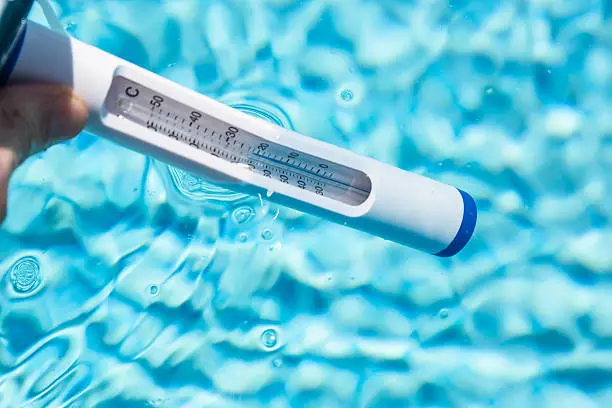
Knowing how to heat a pool allows you to enjoy swimming even during cooler mornings, evenings, or seasons. Pool water can lose heat quickly due to wind, low nighttime temperatures, and evaporation, making swimming uncomfortable. Heating a pool not only extends your swimming season but also improves comfort and usability. Whether you own an above-ground or in-ground pool, there are several effective methods to raise and maintain water temperature based on your budget, climate, and pool size.
This article explains how to heat a pool using practical, efficient, and widely available methods.
-
Pool Heating Needs
Before choosing a heating method, it is important to evaluate your pool’s specific needs.
Key factors to consider include:
- Pool size and depth
- Local climate and average temperatures
- How often the pool is used
- Desired water temperature
- Available energy sources
Understanding these factors helps you choose the most suitable heating option.
-
Use Solar Pool Covers
Solar pool covers are one of the most cost-effective ways to heat a pool.
Benefits of solar covers include:
- Trapping heat from sunlight
- Reducing heat loss through evaporation
- Keeping debris out of the pool
- Lowering overall heating costs
Using a solar cover regularly can significantly increase water temperature over time.
-
Install Solar Pool Heating Systems
Solar pool heating systems use energy from the sun to warm pool water.
Advantages include:
- Environmentally friendly heating
- Low operating costs
- Long-term energy savings
- Suitable for sunny climates
These systems circulate water through solar collectors, gradually raising the pool’s temperature.
-
Use Electric Heat Pumps
Electric heat pumps extract heat from the air and transfer it to the pool water.
Key features include:
- Energy-efficient operation
- Consistent heating performance
- Works best in moderate climates
- Higher upfront cost but lower running expenses
Heat pumps are ideal for pool owners who want steady and reliable heating.
-
Consider Gas Pool Heaters
Gas heaters provide fast and powerful heating, making them suitable for quick temperature increases.
Benefits include:
- Rapid heating capability
- Works in any climate
- Effective for occasional pool use
- Available in natural gas or propane options
Gas heaters are best for users who need fast results rather than continuous heating.
-
Use DIY Pool Heating Methods
For small pools or temporary solutions, DIY methods can help increase water temperature.
Simple DIY options include:
- Using black hoses exposed to sunlight
- Placing dark materials around the pool
- Maximizing sun exposure during the day
- Reducing heat loss overnight
While not as powerful as installed systems, these methods can provide noticeable warmth.
-
Reduce Heat Loss from the Pool
Preventing heat loss is just as important as heating the water.
Heat retention strategies include:
- Using pool covers at night
- Blocking wind with fences or plants
- Maintaining proper water levels
- Keeping the pool clean and balanced
Reducing heat loss improves heating efficiency and lowers costs.
-
Maintain Safe Pool Heating Practices
Safety should always be a priority when heating a pool.
Important safety tips include:
- Following manufacturer instructions
- Ensuring proper electrical and gas connections
- Avoiding overheating the water
- Regularly inspecting heating equipment
Safe practices protect both swimmers and equipment.
-
Choose the Most Cost-Effective Heating Option
Different heating methods vary in cost, efficiency, and suitability.
Cost considerations include:
- Initial installation costs
- Monthly energy expenses
- Maintenance requirements
- Expected lifespan of the system
Comparing options helps you make a financially sound decision.
Also Read: How to Handle Disruptive Behavior in the Classroom Effectively

Email your news TIPS to Editor@Kahawatungu.com — this is our only official communication channel
