


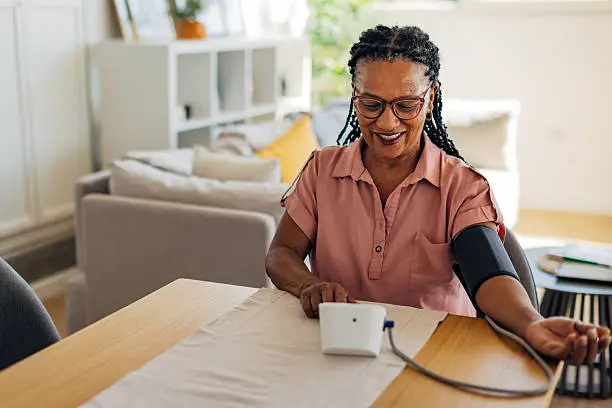
Learning how to improve low blood pressure naturally can help people who experience occasional dizziness, weakness or lightheadedness related to low blood pressure. Low blood pressure, also called hypotension, is generally considered to be below 90/60 mm Hg, although some people naturally have lower readings without symptoms. The right approach depends on the cause, and persistent or severe symptoms should be assessed by a healthcare professional.
-
Drink Enough Water
Dehydration can reduce the amount of blood circulating in the body and contribute to low blood pressure.
Drinking enough water throughout the day can help maintain adequate fluid levels. This is particularly important during hot weather, after heavy sweating or when experiencing vomiting or diarrhoea.
- Drink water regularly
- Increase fluids when sweating heavily
- Pay attention to signs of dehydration
- Limit alcohol because it can worsen dehydration
-
Eat Regular, Balanced Meals
Some people experience a drop in blood pressure after eating, particularly after large meals.
Eating smaller meals more frequently may help prevent significant drops in blood pressure. Meals that contain a balance of protein, healthy fats, vegetables and other nutritious foods can also support overall health.
- Avoid skipping meals
- Choose balanced meals
- Consider smaller meals if large meals cause symptoms
- Limit very large carbohydrate-heavy meals
-
Increase Salt Only With Medical Advice
Salt can raise blood pressure, so increasing sodium intake may sometimes be recommended for people with certain types of low blood pressure.
However, increasing salt is not appropriate for everyone and can create health risks, particularly for people with certain heart, kidney or other medical conditions. Speak with a healthcare professional before deliberately increasing your salt intake.
-
Stand Up Slowly
If you become dizzy when getting out of bed or standing after sitting, change position gradually.
Sit on the edge of the bed for a short while before standing. This can give your body more time to adjust to the change in position.
- Sit before standing
- Move slowly
- Avoid sudden changes in position
- Hold onto something stable if you feel unsteady
-
Sit or Lie Down When You Feel Dizzy
If you suddenly feel lightheaded while standing, sit or lie down immediately.
This can help reduce the risk of falling and may allow your blood pressure to recover.
-
Exercise Regularly
Regular physical activity can support cardiovascular health and may help reduce symptoms of some forms of low blood pressure.
Start gradually and choose activities that are appropriate for your fitness level. Avoid exercising in very hot or humid conditions if heat makes your symptoms worse.
- Walk regularly
- Include appropriate strength exercises
- Increase activity gradually
- Stay hydrated
-
Avoid Excessive Alcohol
Alcohol can contribute to dehydration and may lower blood pressure.
If you experience low blood pressure, limiting or avoiding alcohol may help reduce symptoms.
- Drink water regularly
- Avoid excessive alcohol
- Pay attention to symptoms after drinking
-
Consider Compression Stockings
Compression stockings can help improve blood flow from the legs back toward the heart. They may be particularly useful for people who experience low blood pressure when standing.
Ask a healthcare professional whether compression stockings are suitable for you, particularly if you have other circulation problems.
-
Monitor Your Blood Pressure
Keep track of your blood pressure readings rather than relying only on how you feel.
Record the reading, time of day and any symptoms you experience. This information can help a healthcare professional determine whether your blood pressure is consistently low and identify possible patterns.
- Measure at consistent times
- Record your readings
- Note dizziness or fainting
- Take your records to medical appointments
-
Review Your Medicines With a Healthcare Professional
Some medicines can cause low blood pressure.
If you regularly experience dizziness or unusually low readings, speak with your healthcare professional about the medicines you take. Do not stop or change prescribed medication on your own.
-
Identify Possible Causes
Low blood pressure can have many causes, including dehydration, blood loss, certain medicines, nutritional deficiencies, heart problems and infections.
If your low blood pressure is persistent or accompanied by symptoms, treating the underlying cause is more important than simply trying to raise the blood pressure naturally.
-
Know When to Seek Medical Help
Seek urgent medical attention if very low blood pressure is accompanied by fainting, confusion, cold or clammy skin, rapid shallow breathing, a weak or rapid pulse or other signs of shock. Severe low blood pressure can sometimes be life-threatening.
Frequent dizziness, especially when standing, also deserves medical evaluation because recurring orthostatic hypotension can be associated with an underlying health problem.
Also Read: How to Log Out Someone From Using Your WiFi

Email your news TIPS to Editor@Kahawatungu.com — this is our only official communication channel
