


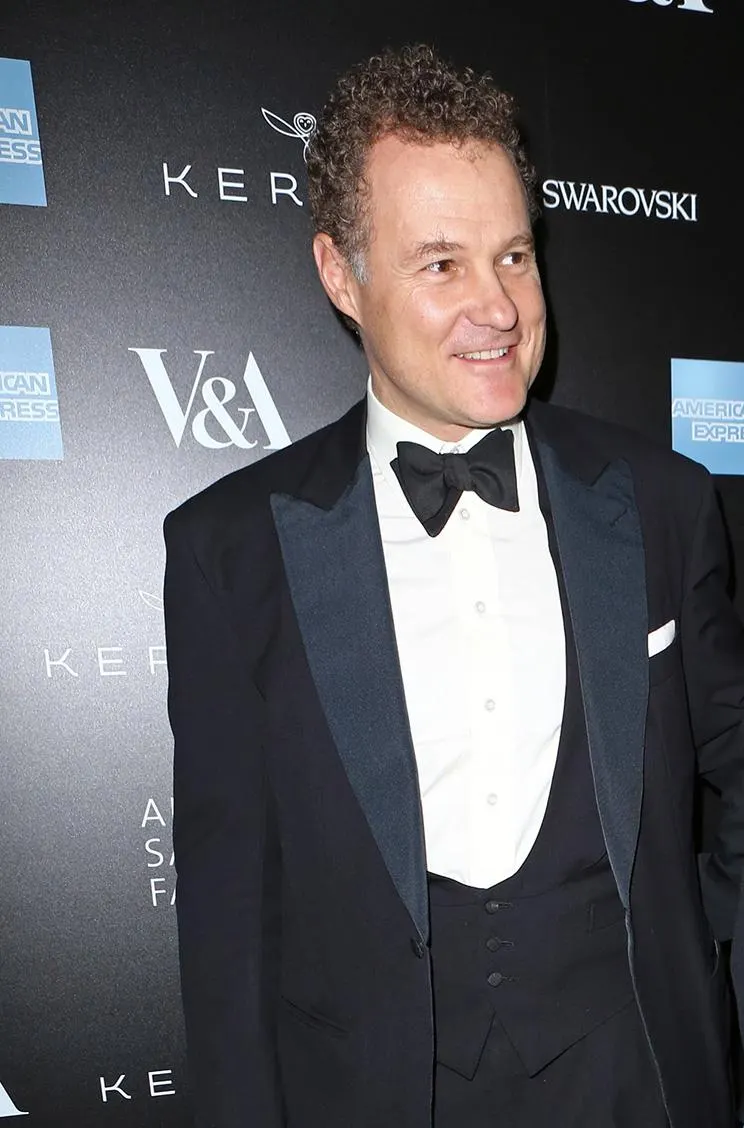
Jonathan Harmsworth, also known as Viscount Rothermere, is a British media executive with an estimated net worth of $1.5 billion. He is best known as the chairman and controlling shareholder of Daily Mail and General Trust (DMGT), the company behind major media brands such as the Daily Mail, The Mail on Sunday, Metro, and i.
Harmsworth inherited the family media business following the death of his father, Vere Harmsworth, in 1998. He was about 30 years old when he assumed control of the company. Since then, he has overseen its expansion into digital publishing, business information, events, property data, and other commercial activities.
One of his most important decisions was supporting the growth of MailOnline. The website developed into a major international news platform and helped the group reach readers beyond the traditional British newspaper market.
Harmsworth has also guided DMGT through acquisitions, business disposals, and a major privatization process. His approach has focused on maintaining family control while adapting the company to changes in the media industry. His estimated $1.5 billion fortune reflects his ownership of the media group and the wider assets associated with the Rothermere family business.
| Jonathan Harmsworth Net Worth | $1.5 Billion |
| Date of Birth | Dec 3, 1967 |
| Place of Birth | United Kingdom |
Early Life
Jonathan Harmsworth was born into one of Britain’s most established media families. His great-grandfather, Harold Harmsworth, 1st Viscount Rothermere, co-founded the Daily Mail and the Daily Mirror with his brother Alfred Harmsworth, who became Lord Northcliffe.
The family’s involvement in newspaper publishing dates back to the late nineteenth century. Over several generations, the Harmsworths built a powerful media business that became an important part of the British newspaper industry.
Growing up in this environment, Jonathan was familiar with the responsibilities associated with the family enterprise. His education included Gordonstoun in Scotland and Duke University in the United States, where he studied history.
After completing his studies, he returned to Britain and joined the family company. He began in junior positions and gained experience across different parts of DMGT. This gave him exposure to the group’s editorial, commercial, and operational activities before he assumed its leadership.
Inheriting the Daily Mail Empire
Harmsworth’s rise to the top of DMGT followed the death of his father, Vere Harmsworth, in 1998. He inherited the viscountcy and took control of the family business at approximately 30 years old.
The transition came at a difficult time for traditional newspaper publishers. Television had already changed the media landscape, while the internet was beginning to create new competition for readers and advertising revenue.
Harmsworth became chairman and worked with experienced executives to maintain the group’s position in the British newspaper market. One of the prominent figures during this period was Paul Dacre, who played an important editorial role at the Daily Mail.
Rather than making sudden changes to the company’s identity, Harmsworth focused on maintaining its established readership while modernizing its commercial operations.
The Daily Mail continued to attract a large print audience, while The Mail on Sunday maintained its position as a major weekend newspaper. The group also benefited from the expansion of Metro, the free commuter newspaper that became one of Britain’s most widely circulated weekday print publications.
Expanding the Mail Media Brands
Under Harmsworth’s leadership, the Mail’s newspaper portfolio remained central to the group’s operations. The Daily Mail and The Mail on Sunday continued to serve readers interested in politics, entertainment, lifestyle, human-interest stories, and general news.
The group also developed its other publications and digital brands. These included Metro and i, which helped it reach different sections of the newspaper market.
Harmsworth’s strategy involved protecting the value of established media brands while exploring new ways to distribute their content. This became increasingly important as readers moved from printed newspapers to websites, mobile devices, and social media platforms.
The group’s ability to operate across print and digital channels helped it maintain a broad audience. It also created new opportunities for advertising and commercial partnerships.
MailOnline
One of Jonathan Harmsworth’s most consequential decisions was supporting the expansion of MailOnline.
During the early development of online news, many traditional newspaper publishers treated their websites as secondary platforms. Harmsworth backed a more ambitious approach, allowing MailOnline to develop into a major international news operation.
The website built an audience through a combination of breaking news, celebrity coverage, politics, lifestyle reporting, and human-interest stories. Its content was designed to attract readers across different countries and reach audiences beyond the traditional circulation of the British Daily Mail.
MailOnline’s growth gave the group an important position in the global digital media market. It also provided a new source of advertising revenue as print circulation and traditional newspaper advertising faced pressure.
The digital expansion was an important part of Harmsworth’s wider strategy. Instead of relying entirely on newspaper sales, the group developed an online business capable of reaching millions of readers around the world.
Diversification Beyond Newspapers
Harmsworth also expanded DMGT beyond traditional newspaper publishing. The company invested in business information, property analytics, events, and specialist data services.
Among the businesses associated with its diversification strategy were Euromoney Institutional Investor, dmg events, Trepp, and RMS. These operations gave the group exposure to markets that were different from newspaper publishing.
The investments helped reduce its reliance on print advertising and newspaper circulation. They also created opportunities to generate revenue from professional services, information products, conferences, and specialist data.
Some of these businesses were later sold. The disposals provided capital that could be used to strengthen the group’s finances and support its long-term plans.
One of the most significant transactions involved RMS, a company specializing in catastrophe risk modeling and analytics. Its sale for approximately $2 billion represented one of the largest transactions in DMGT’s history.
The proceeds strengthened the group’s financial position and demonstrated the value of its strategy of building businesses outside traditional media.
Taking DMGT Private
In 2021, DMGT was taken private in a family-led transaction. The move consolidated the Rothermere family’s control and gave Harmsworth greater freedom to restructure the business.
The decision reflected his longstanding preference for private ownership. A privately held company can make long-term strategic decisions without the same pressures associated with public market reporting and quarterly shareholder expectations.
The privatization also came after major business disposals, including the sale of RMS. Together, these developments reshaped the group’s structure and provided a new foundation for its future operations.
For Harmsworth, maintaining family control was an important part of preserving the media legacy built by earlier generations. The strategy allowed the family to retain influence over the direction of the business while continuing to invest in its media brands and other commercial interests.
Leadership Style and Influence
Jonathan Harmsworth is known for maintaining a relatively low public profile. He rarely gives interviews and generally avoids the public attention associated with some major media owners.
His leadership approach has involved delegating editorial and operational responsibilities to experienced professionals while retaining ultimate influence through ownership and board oversight.
Harmsworth has been associated with a preference for continuity within the Mail’s editorial identity. The newspapers have maintained a conservative editorial position, particularly in their coverage of British politics and public affairs.
Although he is not generally involved in everyday newsroom decisions, his position as controlling shareholder gives him significant influence over the group’s long-term direction.
His role extends beyond the United Kingdom because MailOnline has developed a substantial international audience. This has made the Rothermere media business an influential presence in the global English-language news market.
Real Estate
Real estate is another part of the Rothermere family’s wealth and lifestyle. Harmsworth’s best-known residence is Ferne House, a country estate in Wiltshire that has been associated with the family for generations.
The property underwent extensive redevelopment in the early 2000s. It was transformed into a modern neo-Georgian residence surrounded by extensive farmland, parkland, and equestrian facilities.
The estate is regarded as one of the prominent private country properties in southwest England. Its scale reflects the family’s longstanding position in British business and aristocratic society.
Harmsworth has also maintained a residence in London, where he has business and professional responsibilities. Details of his property holdings, purchase prices, and ownership arrangements are not widely disclosed.
Some family assets are held through private companies and trusts, making it difficult to establish the exact value of his personal real estate portfolio.
Personal Life
Jonathan Harmsworth married Claudia De Pelet in 1993. The couple have two sons and have generally kept their family life away from public attention.
His approach to privacy is consistent with his wider public profile. Despite his position as one of Britain’s wealthiest media owners, he rarely discusses his personal affairs in public.
Harmsworth’s charitable interests include education, heritage preservation, and media-related causes. Some of these activities are associated with the Rothermere Foundation, which supports projects connected to the family’s philanthropic interests.
His family responsibilities also include preserving a media business that has been built and managed across several generations.
Also Read: Michael Otto Net Worth

Email your news TIPS to Editor@Kahawatungu.com — this is our only official communication channel
