


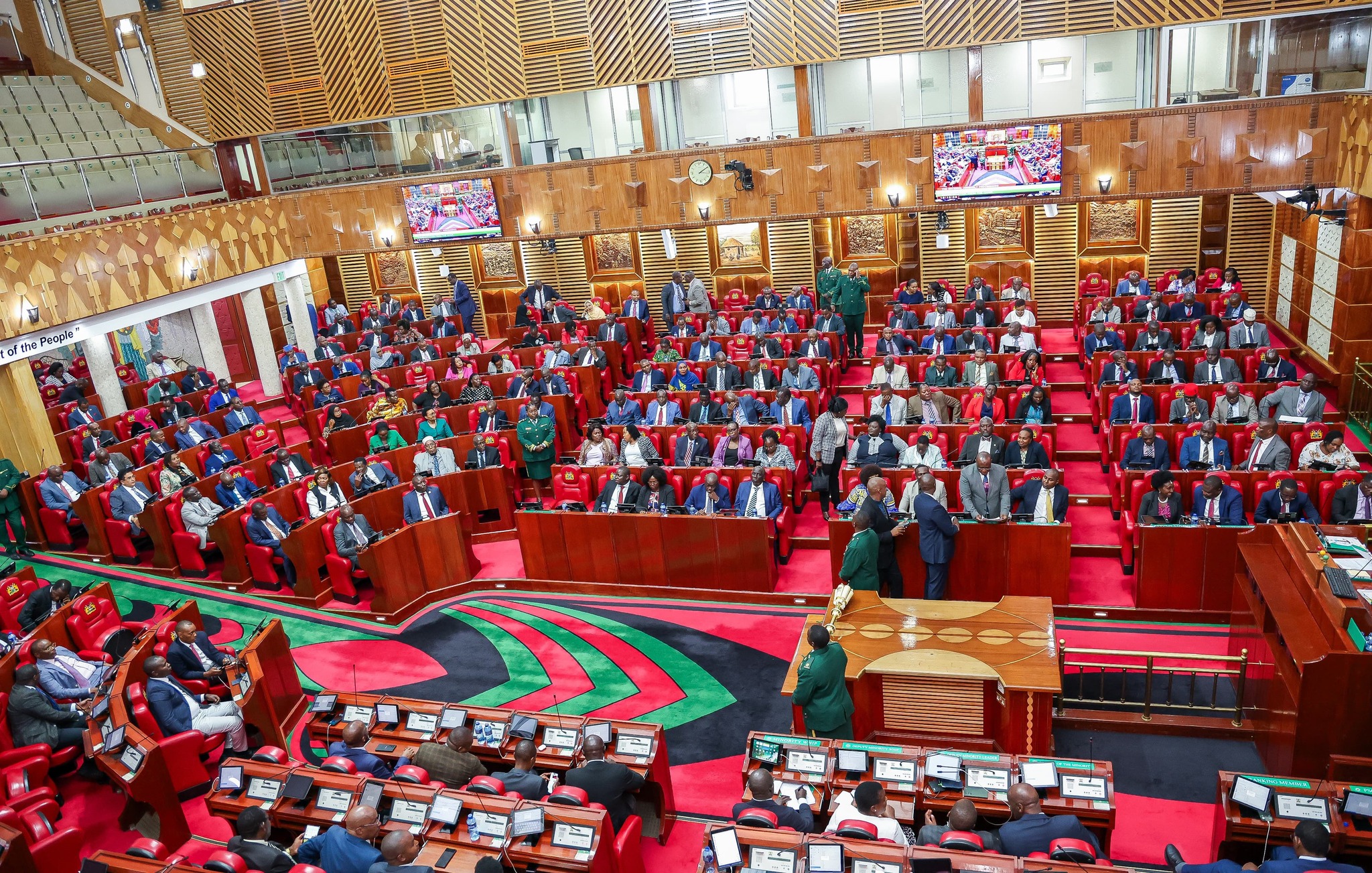
The National Assembly Departmental Committee on Education has launched a comprehensive inquiry into the rising cases of school fires, destruction of property and student unrest reported in learning institutions across the country.
The committee, chaired by Tinderet MP Julius Melly, resolved to undertake the investigation during a meeting convened to discuss the recent wave of unrest that has affected schools nationwide.
Melly said the inquiry seeks to establish the root causes of the recurring incidents and develop recommendations aimed at restoring stability and safety in learning institutions.
“We need to come up with a way forward on how we are going to look into school unrest across the country,” he said.
The committee was briefed by its research unit on findings from previous studies, audits and assessments, which identified examination-related pressure, poor student-teacher relationships, inadequate grievance-handling mechanisms, weak guidance and counselling programmes, overcrowding, poor living conditions in some boarding schools, and drug and substance abuse as key drivers of unrest.
Members were also presented with findings from the Auditor-General’s 2020 Performance Audit on Fire Safety Preparedness and a recent Ministry of Education school safety assessment. The reports highlighted widespread non-compliance with safety standards, including overcrowded dormitories, inadequate emergency exits, poor emergency preparedness and deficiencies in safety infrastructure.
Melly expressed concern over the persistence of school unrest despite numerous interventions undertaken over the years.
“School unrest is almost becoming a pandemonium. It is something that is recurring almost every other time,” he said.
The committee chairperson said the inquiry would involve consultations with a broad range of stakeholders, including parents, students, religious leaders, security agencies and education officials.
“We will need to meet with parents, possibly meet with students, meet with security agencies, meet with the church and all those people who matter,” he added.
Baringo North MP Joseph Makilap attributed part of the problem to changing social dynamics and declining parental involvement in the upbringing of children.
“One of the major things that have contributed to these fires is the social dynamics of society today,” he said.
Makilap argued that increased exposure to social media and technology, coupled with weakening parental guidance, was influencing the behaviour of learners both at home and in school.
“We are producing children who are not adequately guided at home and are heavily influenced by social media and other external factors,” he said.
Mandera South MP Abdul Haro cautioned against treating school unrest solely as a disciplinary issue, saying the incidents reflect broader social and educational challenges facing learners.
“The problem is actually a result of deeper issues requiring a comprehensive response involving teachers, parents, students and government agencies,” he said.
Committee members also raised concerns over overcrowding in schools, the commercialization of education, drug and substance abuse, inadequate learner support systems, poor communication between students and school administrations, and what they described as declining societal values.
Melly directed the committee secretariat to compile previous reports, studies and parliamentary inquiries on school unrest to guide the ongoing investigation and ensure lessons from past recommendations are incorporated into future interventions.
“This Committee has been a guide to the Ministry of Education on issues of policy and direction,” he said.
The inquiry comes amid growing concern over student unrest, with the Ministry of Education reporting that at least 204 schools across the country have been affected by unrest-related incidents.
Email your news TIPS to Editor@Kahawatungu.com — this is our only official communication channel
