


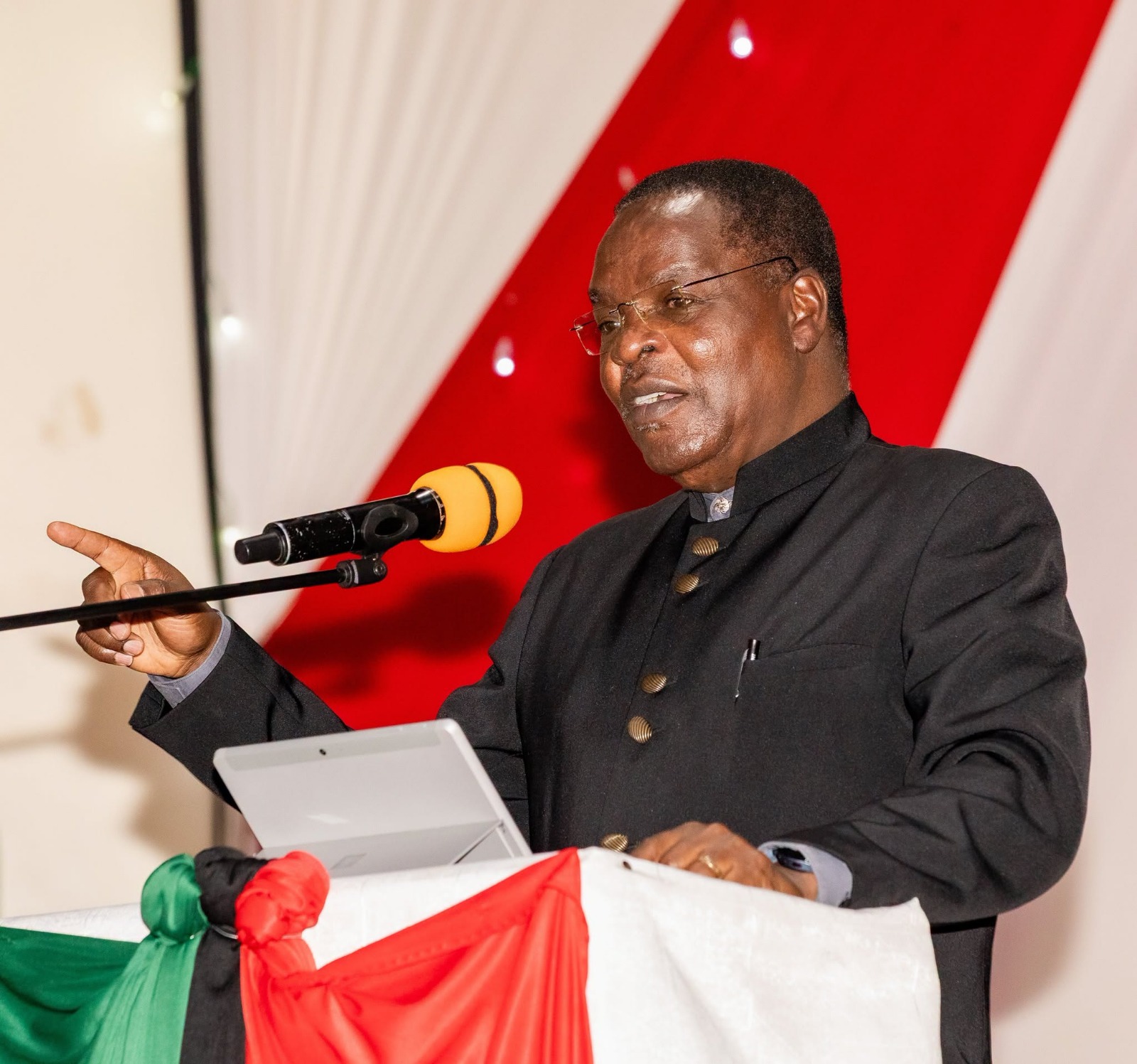
Religious leaders have been urged to reject and refrain from legitimising illicit funds ahead of the 2027 General Election amid concerns that dirty money could influence voters and fuel corruption in government.
Ethics and Anti-Corruption Commission (EACC) Chairperson Dr David Oginde warned that politicians who use proceeds of corruption, money laundering or unexplained wealth to finance their campaigns could later be pressured to reward their financiers.
He said such politicians may use inflated tenders, manipulated procurement processes and other corrupt deals to repay individuals who funded their campaigns.
“There is no way we are going to build a society of integrity if we are beneficiaries of illicit resources,” Oginde said.
Oginde said election campaigns should be based on leadership, values and principles rather than the financial strength of candidates.
He warned that illicit wealth gives wealthy candidates an unfair advantage over their opponents and can distort voters’ ability to choose leaders based on merit.
The EACC chairperson urged religious leaders and other influential stakeholders to take a firm stand against illicit campaign financing.
He said accepting or endorsing money obtained through corruption could undermine efforts to promote integrity in public leadership.
Oginde was speaking at the National Stakeholders’ Convention at Ufungamano House in Nairobi, where he addressed delegates on the topic, “Corruption and Politics in Kenya: How Illicit Money Drives Democracy and Viable Mitigations.”
Oginde warned that the use of illicit funds in political campaigns could create a cycle in which public resources are later used to reward political financiers.
Politicians who incur significant financial obligations during campaigns may be tempted to manipulate government systems once they assume office, he said.
This could include awarding inflated tenders, interfering with procurement processes and directing public contracts to individuals or businesses linked to campaign financiers.
Such practices can divert public resources from essential services while weakening accountability in government.
The convention brought together more than 150 stakeholders to discuss ways of promoting credible, peaceful and democratic elections.
The forum was organised by the National Council of Churches of Kenya (NCCK), the Kenya Conference of Catholic Bishops (KCCB) and the Supreme Council of Kenya Muslims (SUPKEM).
Religious institutions are expected to play a key role in promoting ethical leadership and peaceful elections ahead of the 2027 polls.
The stakeholders are also developing strategies to safeguard the electoral process and strengthen the role of different institutions and communities in promoting electoral integrity.
The discussions come amid growing concerns over the influence of money in Kenyan politics, particularly the potential use of unexplained wealth and proceeds of corruption to finance election campaigns.

Email your news TIPS to Editor@Kahawatungu.com — this is our only official communication channel
