


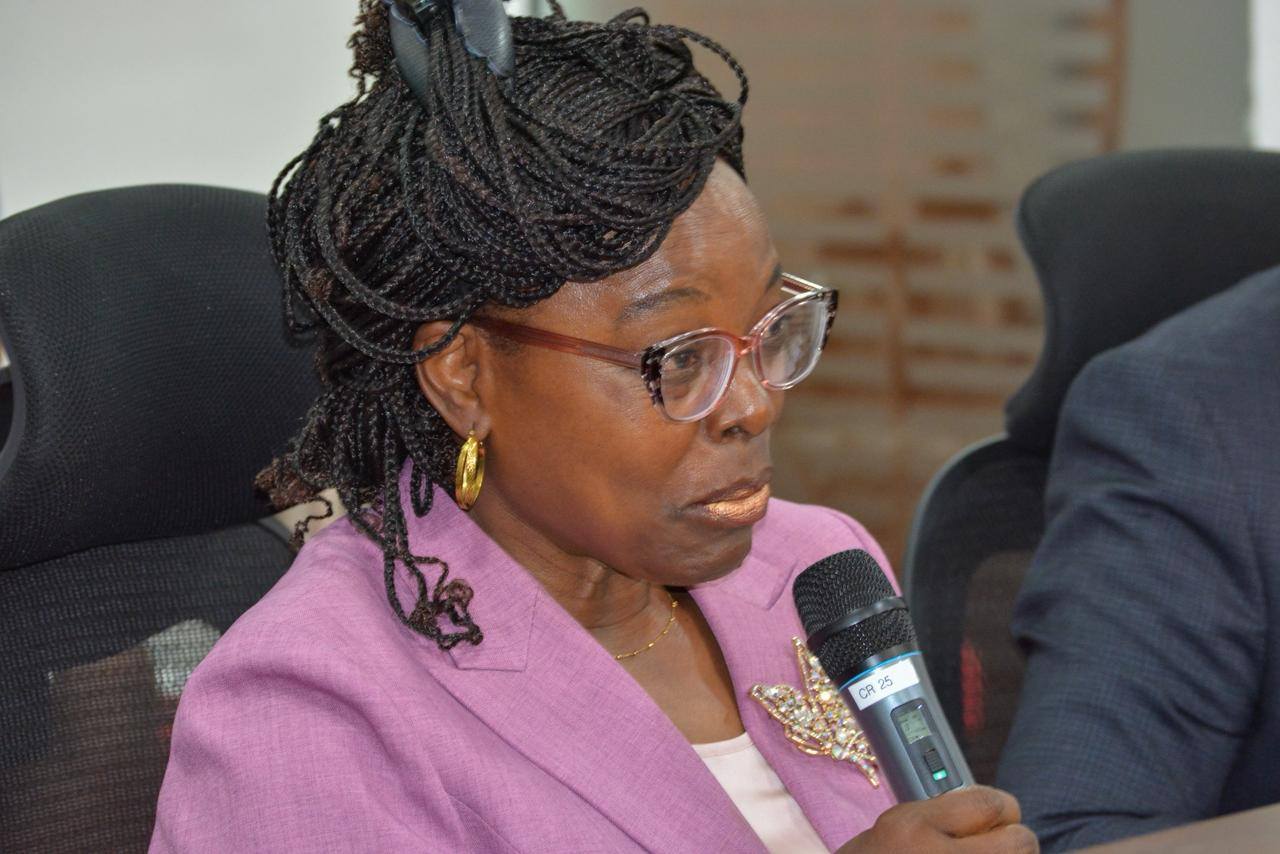
Kenya’s public debt has risen to Sh12.82 trillion, with loan repayments now consuming 71 percent of all government revenue, leaving only 29 percent to finance salaries, public services and development projects, Controller of Budget Margaret Nyakang’o has told Parliament.
Appearing before the National Assembly’s Public Petitions Committee on Tuesday, Nyakang’o warned that the country’s growing debt burden has significantly reduced the government’s ability to fund essential services, forcing it to rely on additional borrowing to bridge financing gaps.
She said Kenya’s debt portfolio currently comprises about 60 percent domestic debt and 40 percent external debt, with debt servicing taking up nearly three-quarters of all revenue collected by the government.
“The impact of that over-borrowing is that up to 71 percent of the revenues that we collect goes to loan repayment. That leaves us with only 29 percent to undertake all the other expenditures, including recurrent and development spending,” Nyakang’o told MPs.
She acknowledged growing public concern over government borrowing, particularly among young people, but said completely stopping borrowing was not practical under the current economic situation.
“The impact is that we must keep borrowing in order to stay afloat. A wish for us not to borrow may not be feasible at this time,” she said.
Instead, the Controller of Budget called for gradual fiscal consolidation by increasing government revenue while reducing public expenditure to narrow the country’s financing gap over time.
“What we need is to reduce our spending while increasing revenue so that the financing gap becomes smaller over time,” she said.
Her remarks came after petitioners raised concerns about the sustainability of Kenya’s public debt and called for stricter controls on government borrowing.
Nyakang’o also revealed that her office had sought an explanation from the National Treasury over spending on International Monetary Fund (IMF) on-lent loans after identifying expenditure that exceeded amounts approved by Parliament.
“We have already communicated with the National Treasury and we are waiting for a response because they brought additional requisitions for the same expenditure, yet it was not provided for in the budget,” she said.
The Controller of Budget further disclosed that, as of July 28, none of Kenya’s 47 county governments had fully complied with legal budget requirements despite their budgets having been approved by county assemblies.
“As I speak today, there is not a single county budget that has passed the compliance test,” she told the committee, accusing county governments of repeatedly attempting to bypass provisions of the Public Finance Management Act.
She also announced that the Central Bank of Kenya (CBK) and the National Treasury are developing a new payment system that will allow funds approved by the Controller of Budget to be paid directly to verified suppliers. The system is expected to reduce the risk of public funds being diverted after they are released.
Nyakang’o added that her office will strengthen oversight of pending bills as county governments enter the final year of their current term to prevent outgoing administrations from leaving unpaid liabilities for their successors.

Email your news TIPS to Editor@Kahawatungu.com — this is our only official communication channel
