


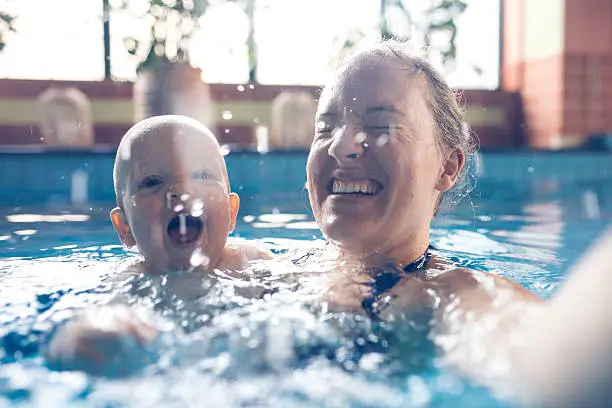
Introducing children to a swimming pool should be a gradual and positive experience that focuses on comfort, confidence, and water safety. Some children may be excited by water, while others may feel nervous or afraid. Learning how to introduce children to a pool can help parents create a safe environment where children become familiar with the water at their own pace. Swimming lessons and close supervision are important parts of developing water skills, but children should never be considered completely safe from drowning simply because they can swim.
-
Choose a Safe Pool Environment
Choose a pool that is clean, well maintained, and suitable for children. A shallow section can make the first experience less intimidating.
Check that there are appropriate safety measures around the pool before allowing children near the water.
- Choose a child-friendly pool
- Look for a shallow area
- Check the surrounding safety measures
- Follow the pool’s rules
-
Talk About Water Before the First Visit
Before taking your child into the pool, explain what they can expect. Tell them that the water may feel different from a bath and that they will stay close to you.
Simple explanations can help reduce fear and uncertainty.
- Talk positively about swimming
- Explain basic pool rules
- Encourage children to ask questions
-
Let the Child Observe First
Do not force a nervous child into the water immediately. Let them watch other people swimming and become familiar with the pool environment.
This can help them understand that the pool is a place for learning and enjoyment.
- Let the child watch from a safe distance
- Give them time to become comfortable
- Avoid forcing them into the water
-
Start at the Pool’s Edge
Begin by sitting together near the pool. Allow the child to touch the water with their hands or feet if they are comfortable.
This provides a gentle introduction without requiring them to enter the pool immediately.
- Sit together at the edge
- Let the child touch the water
- Encourage exploration at their own pace
-
Enter the Water Together
When the child is ready, enter the pool with them. Hold the child securely and stay close while they become familiar with the sensation of being in the water.
For babies and toddlers, close physical supervision is especially important.
- Enter slowly
- Keep the child close
- Remain calm and reassuring
-
Introduce Simple Water Activities
Once the child is comfortable, introduce simple activities such as splashing water with their hands, kicking their feet, or moving toys through the water.
Keep activities playful rather than treating the first visit like a formal swimming test.
- Encourage gentle splashing
- Practice kicking
- Use suitable pool toys
- Keep activities enjoyable
-
Teach Children to Respect the Water
Children should learn that a swimming pool can be fun but also dangerous.
Teach them never to enter the pool without permission from a responsible adult and never to swim alone.
- Teach basic pool rules
- Tell children to ask permission before entering
- Explain why running near the pool is unsafe
-
Consider Age-Appropriate Swim Lessons
Formal swimming lessons can help children develop swimming and water-survival skills. The American Academy of Pediatrics says many children can begin lessons from around age 1 depending on their individual development and readiness.
Choose an instructor or programme that focuses on both swimming ability and broader water safety.
- Look for qualified instructors
- Choose age-appropriate classes
- Monitor the child’s progress
- Continue lessons until basic water competency is developed
-
Teach Basic Water Skills Gradually
As children become more comfortable, they can learn skills such as floating, turning around in the water, moving toward an exit, and eventually swimming.
These skills should be taught progressively rather than rushed.
- Practice floating
- Learn controlled movement
- Practice reaching the pool edge
- Gradually develop swimming skills
-
Keep the Child Within Arm’s Reach
Young children and weak swimmers require close, constant supervision around water. An adult should remain within arm’s reach rather than supervising from a distance.
Never assume that a child is safe simply because they have had swimming lessons.
- Stay close to young children
- Avoid using your phone while supervising
- Do not rely only on a lifeguard
- Keep your attention focused on the child
-
Avoid Forcing the Child Underwater
Do not force a frightened child to put their face underwater or perform skills before they are ready.
A gradual approach can help the child develop confidence without creating a negative association with swimming.
- Follow the child’s pace
- Introduce new skills gradually
- Stop if the child becomes extremely distressed
-
Use Appropriate Safety Equipment
Children who are weak swimmers may need appropriate safety equipment depending on the swimming environment and activity. Properly fitted life jackets are particularly important around natural bodies of water and for children who lack strong swimming skills.
Do not treat inflatable toys or water wings as substitutes for supervision or swimming skills.
- Use properly fitted safety equipment
- Follow pool and instructor guidance
- Do not rely on inflatable toys to prevent drowning
-
Teach Pool Entry and Exit
Children should learn how to safely enter and exit the pool as their skills develop.
Knowing how to reach an exit point is an important part of water competency.
- Practice safe entry
- Show the child where the exit is
- Practice getting out with supervision
-
Make Every Visit a Learning Experience
Regular, positive exposure can help children build confidence and improve their skills.
Keep sessions appropriate for the child’s age, ability, and comfort level rather than focusing only on how quickly they learn to swim.
- Practice regularly
- Keep sessions enjoyable
- Celebrate gradual progress
- Avoid comparing children with others
-
Prepare for Emergencies
Parents and caregivers should know basic water-safety and emergency-response skills. Learning CPR can be an important part of family water safety.
If a child gets into trouble, do not put yourself at unnecessary risk by attempting a rescue beyond your training. Use safer rescue approaches and seek professional emergency assistance.
- Learn CPR
- Know the location’s emergency procedures
- Keep appropriate rescue equipment nearby
- Never underestimate the dangers of water
Also Read: How to Introduce a Girlfriend to Parents

Email your news TIPS to Editor@Kahawatungu.com — this is our only official communication channel
