


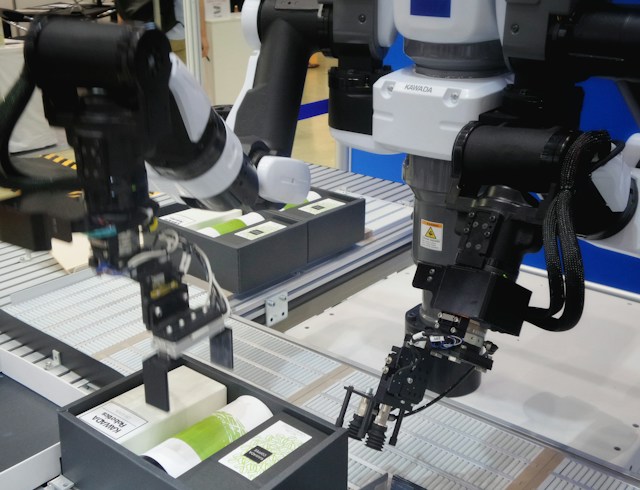
A packaging team sends a small box of carefully selected containers to an equipment supplier. The samples look consistent and travel smoothly through an early feeder trial. Months later, production receives another batch with slightly different physical characteristics. The team now has a question the original sample box could not answer: how much variation was the feeder actually designed to handle?
When choosing a system integrator Singapore businesses can work with on packaging equipment, bring purchasing into the conversation early. The machine receives the material that arrives from suppliers, not an idealized drawing alone. A sample plan should connect equipment development with the range of containers and closures the business intends to buy.
Define the Material Range Before Selecting Samples
Begin with the intended container and closure specifications. Identify the features relevant to handling, such as dimensions, shape, and the surfaces that contact guides or other parts. The equipment designer should determine which features matter for the proposed mechanism. A purchasing description sufficient to identify a product may not contain everything needed to design reliable feeding.
Motionwell Automation develops custom production equipment, including material-handling arrangements. When commissioning this kind of work, a business can ask the engineering team to identify the material information needed before the feeder design is settled. The result should be an agreed input range, with unresolved characteristics clearly marked, rather than a broad promise to handle any item that looks similar.
Where a specification allows variation, make that range visible. Where a feature is not specified, do not assume it will remain constant across deliveries. Ask the material supplier what information is available and which changes require notification. The point is not to demand arbitrary tighter limits. It is to discover whether the purchasing agreement and equipment assumptions describe the same material.
Choose Samples That Represent Intended Purchasing Conditions
A single tidy sample set can help establish a starting arrangement, but it cannot represent every future delivery. Where practical, include material from more than one actual lot and keep the lot identities with the samples. If multiple suppliers are intended, their material belongs in the discussion too. Mixing everything into one unmarked box removes information that may explain differences later.
For a hypothetical vial-and-cap project, separate samples by supplier and lot, then note the relevant measured features. The equipment designer can use that information to propose an evaluation. Keep the combinations identifiable: a cap from one delivery paired with a vial from another may raise a different question from two items supplied together.
Pharmaceutical-packaging systems from Motionwell Automation cover operations including filling, capping, and sealing. For projects involving those operations, the samples need to represent the actual container-and-closure combinations. A feeder that presents a cap successfully has answered a handling question; it has not, by that fact alone, established that the complete packaging process meets its requirements.
Keep questionable or visibly different samples separate rather than quietly excluding them. The team can decide whether they are within the agreed specification, outside it, or insufficiently characterized. Those categories lead to different actions. An out-of-specification delivery may call for a supplier response, while acceptable variation may need to be accommodated by the equipment design.
Observe Where the Material Meets the Mechanism
During an agreed evaluation, look at the contact points between material and equipment. How does an item enter a guide? What determines its orientation? Where does it wait before transfer? The relevant observations depend on the feeder design. Asking these questions helps the team describe an event precisely instead of recording only that the machine stopped or the sample did not feed.
Separate what was observed from the proposed explanation. “Two caps overlapped at this point” is an observation. “The surface finish caused the overlap” is a hypothesis that needs assessment. Keeping that distinction prevents the first plausible explanation from becoming an untested purchasing restriction or an unnecessary mechanical change.
The team should agree in advance how it will record the setup, sample identity, and outcome. Changing a guide setting and switching sample lots at the same time makes the result harder to interpret. Where adjustments are needed, record them so the next review can establish which material was used under which conditions. The aim is a useful engineering record, not a dramatic demonstration.
Define what would count as an acceptable outcome before watching the samples run. The evaluation may need to consider presentation, visible damage, or transfer behavior as well as whether items move through the feeder. The appropriate criteria and amount of material should be agreed for the project. A short demonstration selected for a meeting should not automatically be treated as sufficient evidence for routine production.
Keep Supplier Specifications Connected to Equipment Assumptions
Once the team identifies the relevant material characteristics, purchasing needs a usable version of that information. Otherwise, the equipment can be designed around one set of assumptions while a later order is placed using a looser description. The resulting disagreement may surface only when a delivery reaches production and neither supplier recognizes the requirement the other party relied on.
| Information to keep connected | Why the connection matters |
| Material specification and revision | Identifies the agreed purchasing baseline |
| Supplier and sample lot | Shows which deliveries informed the evaluation |
| Relevant equipment setup | Explains the conditions under which samples were assessed |
| Proposed material change | Allows engineering review before routine purchasing changes |
In a packaging brief for Motionwell Automation, specify which material changes need engineering review before purchasing proceeds. A new supplier, revised closure geometry, or altered container format may affect different parts of the system. An unchanged product name is not enough to establish unchanged behavior.
Do not turn sample retention into a substitute for a written specification. A retained item is useful for comparison, but it does not describe every acceptable variation or explain which features are important. Use physical references alongside the agreed requirements and evaluation records, with enough identification that another colleague can understand what each item represents.
Make the change-notification route practical. A buyer receiving a substitution offer needs to know whom to ask before accepting it, and engineering needs the revised information while there is still time to review it. If the first notification is an unfamiliar delivery at the loading area, the opportunity for an orderly decision has already narrowed.
Use Early Samples to Expose Purchasing Uncertainty
Before moving from development into routine production, ask what the sample work has established and what remains open. Perhaps one intended supplier has not provided representative material, or a permitted variation has not yet been assessed. Record the gap and its owner. A successful run with the available samples should not quietly close questions about material that was never included.
The next sample box should tell a story about intended purchasing: which suppliers, which lots, which combinations, and which uncertainties remain. A handful of perfect parts can start a design conversation. It should not become the unspoken specification for every delivery that follows.

Email your news TIPS to Editor@Kahawatungu.com — this is our only official communication channel
