


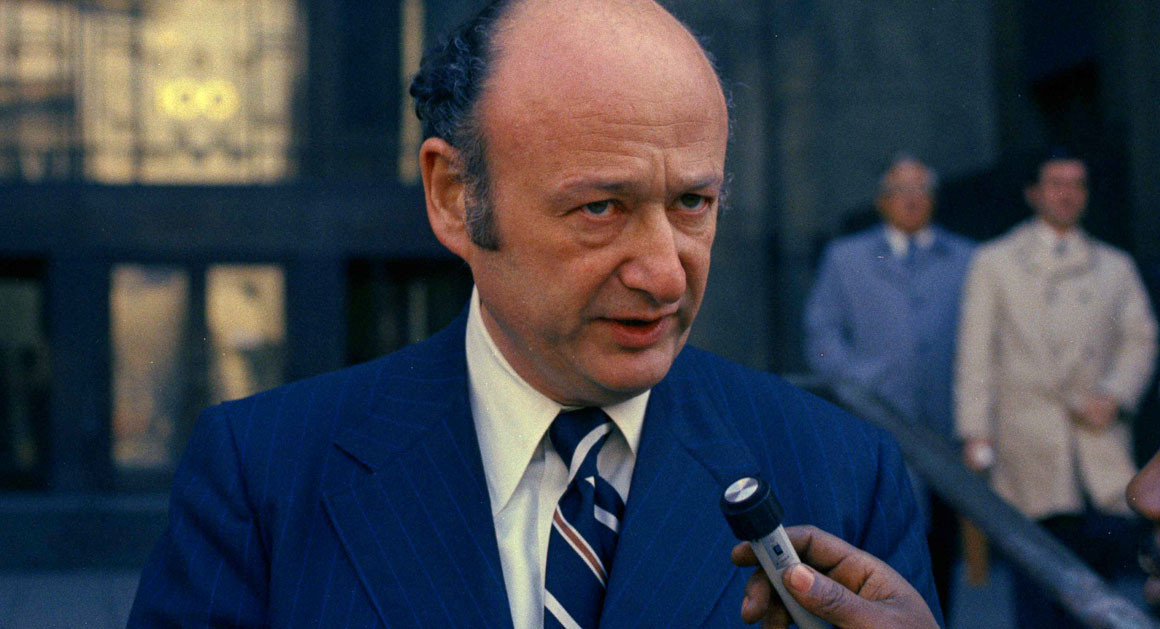
Edward Irving Koch was an American lawyer and politician who served as the 105th mayor of New York City from 1978 to 1989.
Born on December 12, 1924, in the Crotona Park East section of the Bronx to Polish-Jewish immigrant parents Louis Koch and Yetta Silpe Koch, he grew up partly in Newark, New Jersey, during the Great Depression before the family settled in Brooklyn.
A lifelong bachelor with no children, Koch became one of the most recognizable and colorful figures in New York politics, famous for his blunt style, theatrical manner, and the catchphrase “How’m I doin’?” with which he regularly greeted New Yorkers on the subway and street corners.
He died on February 1, 2013, in New York City at the age of 88.
Siblings
Ed was the second of three children.
He had an older brother, Harold, who was more athletic and later worked in the carpet business; Harold died in 1995.
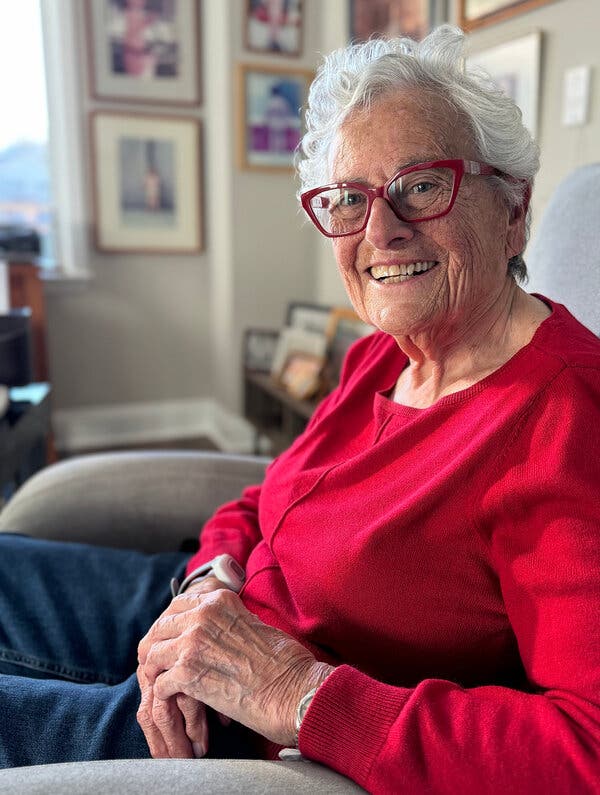
His younger sister, Pat Koch Thaler, pursued a career in education and became a dean at New York University’s School of Continuing Education.
The siblings remained close throughout their lives.
Koch and Pat co-authored children’s books based on their childhood, including Eddie: Harold’s Little Brother and a follow-up about Pat.
Pat Koch Thaler lived into her nineties and died in 2024.
Career
Koch attended City College of New York before being drafted into the U.S. Army in 1943.
He served as a combat infantryman with the 104th Infantry Division in Europe, earning campaign medals and the Combat Infantryman Badge; after the war he assisted with denazification efforts in Bavaria because of his knowledge of German.
Also Read: Malcolm Fraser Siblings: Getting to Know Lorraine Fraser
He earned a law degree from New York University in 1948 and practiced law in Manhattan.
Entering reform Democratic politics in Greenwich Village, he defeated the powerful Tammany Hall leader Carmine DeSapio for district leader in the early 1960s.
He served on the New York City Council from 1966 to 1968 and then in the U.S. House of Representatives from 1969 to 1977, representing Manhattan districts with a liberal voting record.
In 1977 he won a crowded Democratic primary for mayor and the general election, taking office in January 1978 when the city was recovering from near-bankruptcy, high crime, and the 1977 blackout.
As mayor he imposed fiscal austerity, balanced the budget, invested in housing rehabilitation, and helped restore confidence in the city.
He was re-elected in 1981 (winning both the Democratic and Republican nominations) and again in 1985 with large majorities.
His third term was marked by corruption scandals involving associates and criticism of his handling of the AIDS crisis and racial tensions.
He lost the 1989 Democratic primary and left office at the end of that year.
In later life he remained highly visible as an author, columnist, radio and television personality, movie reviewer, and outspoken commentator on politics and culture.
Accolades
Koch received the Combat Infantryman Badge, the European-African-Middle Eastern Campaign Medal with two stars, and the World War II Victory Medal for his military service.
As mayor he is widely credited with restoring New York City’s fiscal health and laying foundations for its later recovery and prosperity, including major investments in affordable housing and the early stages of Times Square’s revitalization.
He remains one of the most iconic mayors in the city’s history, remembered for his energy, accessibility, and larger-than-life personality.
A street in southern Tel Aviv was named in his honor, and he co-authored popular children’s books with his sister.

Email your news TIPS to Editor@Kahawatungu.com — this is our only official communication channel
