


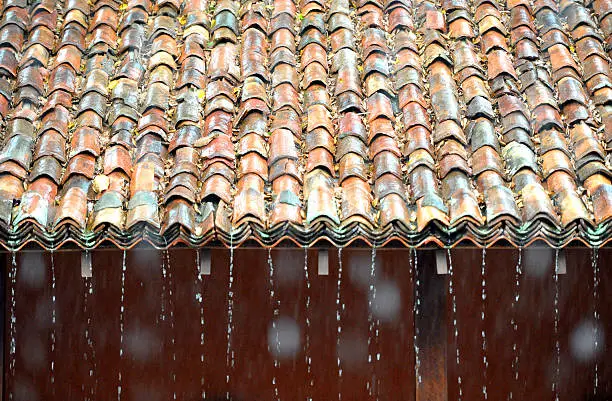
Rainy seasons can bring challenges such as muddy roads, flooding and disruptions to daily activities, but they also provide valuable opportunities for households, farmers and businesses. Learning how to maximize rainy season can help you make better use of rainwater, improve food production, reduce expenses and prepare for drier months. With proper planning, the rainy season can become a productive period rather than simply a time of inconvenience.
-
Harvest Rainwater
One of the most useful ways to maximize the rainy season is by collecting rainwater. Instead of allowing water from rooftops to run away, you can direct it into clean storage tanks, drums or other suitable containers.
Stored rainwater can be useful for activities such as watering gardens, cleaning outdoor areas and other appropriate household purposes. Before collecting water, ensure that the roof, gutters and storage containers are clean.
Regularly inspect the collection system to prevent leaks, contamination and mosquito breeding.
-
Plant Vegetables and Other Crops
Rain provides natural moisture that can support the growth of many crops. If you have available land, the rainy season can be an ideal period to establish a vegetable garden or plant suitable crops.
Depending on your location and local climate, you can grow vegetables, cereals, legumes, fruits and other crops that perform well during the season. Choose crops based on the expected rainfall, soil conditions and available space.
Good planning can help you produce food for your household and potentially create an opportunity to earn additional income by selling surplus produce.
-
Improve Soil Fertility
Rainy weather can be used to improve the condition of your soil. Before planting, add suitable organic matter such as well-decomposed compost or manure to improve soil structure and fertility.
However, heavy rainfall can wash away valuable nutrients and topsoil. Use practices such as mulching, planting ground cover and creating appropriate drainage to reduce soil erosion.
Healthy soil can improve crop growth and help you get better results from the rainy season.
-
Start a Kitchen Garden
A kitchen garden can help households make better use of available rainwater and produce fresh food. You can grow vegetables and herbs in a small area near your home.
Planting vegetables such as leafy greens and other crops suited to your local conditions can reduce the amount of money spent on some food items.
A well-maintained garden can also provide fresh produce for household use throughout the season.
-
Plant Trees
The rainy season provides favourable conditions for establishing many tree seedlings. Planting trees when there is sufficient moisture can help them develop their root systems before dry weather returns.
Choose tree species that are appropriate for your local environment and purpose. Some may provide fruit, shade, timber or environmental benefits.
Protect newly planted trees from livestock, pests and physical damage while they establish.
-
Maintain Buildings and Drainage Systems
Before heavy rains become frequent, inspect your home and property for problems that could worsen during the season. Check roofs, gutters, drainage channels, doors and windows for leaks or damage.
Clear blocked gutters and drainage areas so that water can flow away from buildings.
Good maintenance can prevent costly damage and help protect your property from water-related problems.
-
Take Advantage of Lower Water Costs
Households that collect and properly use rainwater may reduce their reliance on other water sources for suitable activities.
Instead of allowing harvested water to go to waste, develop a simple plan for how it will be used. Water can be allocated for gardening, cleaning and other appropriate purposes.
Safe storage is important. Keep containers covered and clean to reduce contamination and prevent insects from breeding.
-
Explore Rainy-Season Business Opportunities
The rainy season can create demand for certain products and services. Depending on your community, opportunities may include selling rainwear, umbrellas, waterproof storage products, gardening supplies, seedlings and agricultural inputs.
Farmers can also consider selling fresh vegetables or other produce harvested during the season.
Before starting a business, research local demand, costs and competition to determine whether the opportunity is financially worthwhile.
-
Prepare for the Dry Season
Maximizing the rainy season is not only about benefiting from rainfall while it lasts. It is also about preparing for periods when rainfall becomes limited.
Farmers can use the season to establish crops, improve soil and store suitable water supplies. Households can maintain rainwater harvesting systems and make necessary repairs while water is available.
Planning ahead can reduce pressure when the dry season arrives.
-
Protect Against Flooding and Erosion
While rain can be beneficial, excessive rainfall can cause flooding and soil erosion. Avoid blocking natural drainage channels or constructing structures that prevent water from flowing safely.
Where appropriate, use vegetation, drainage improvements and soil conservation practices to slow down runoff.
If your area is prone to flooding, pay attention to local weather warnings and avoid unnecessary travel through flooded roads or moving water.
Also Read: How to Minimise Human-Wildlife Conflicts
Email your news TIPS to Editor@Kahawatungu.com — this is our only official communication channel
